From science to policy – restoring rivers through collaboration and conservation leadership.
This site uses third party services that need your consent.
From science to policy – restoring rivers through collaboration and conservation leadership.
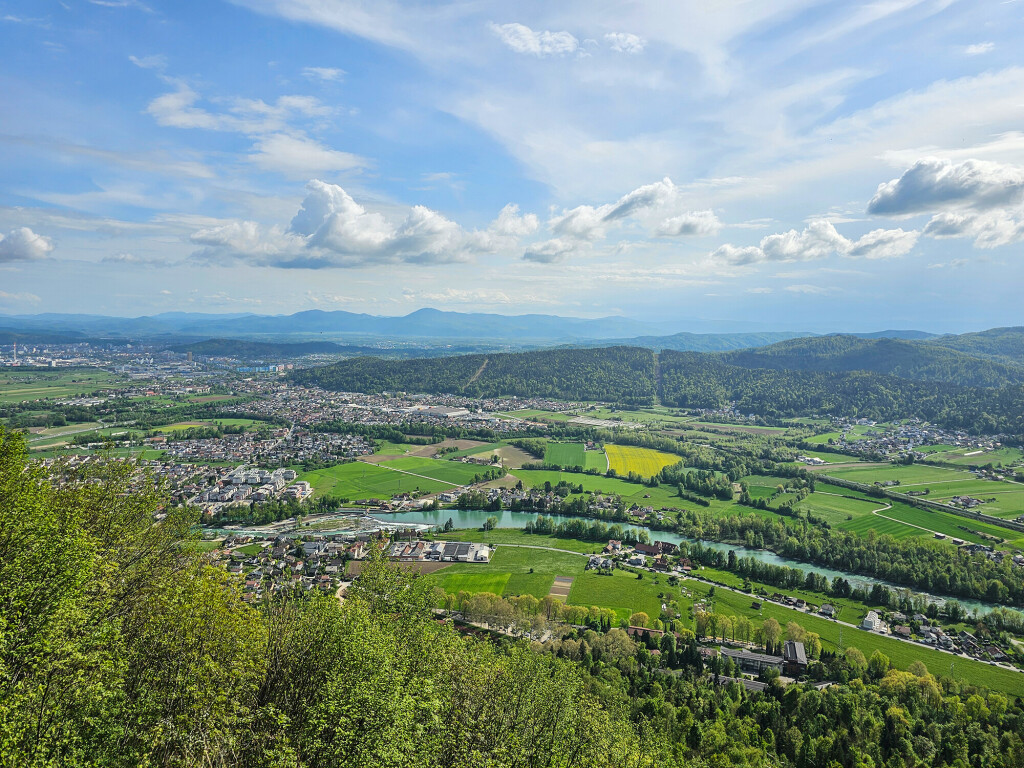
The Sava River Basin demonstration site in Slovenia aims to advance the conservation of Danube salmon (Hucho hucho) and the restoration of habitat connectivity for migratory fish. It supports the development of Slovenia’s National Strategy for the Conservation of Danube salmon and its habitats by combining scientific data, field knowledge and stakeholder experience.
The Sava is the largest tributary of the Danube, with 219 km in Slovenia. It covers 11,735 km², or 58% of the territory of Slovenia and includes more than half of the country’s watercourse length. The basin is ecologically important because it includes alpine headwaters, wetlands, salmonid and cyprinid river sections, major groundwater reserves and habitats for Danube salmon. At the same time, it is a heavily used river system, shaped by hydropower, river regulation, agriculture, urbanisation and other pressures.
The main challenge is to protect and reconnect habitats for Danube salmon and other migratory fish species, such as spawning and nursery areas, while balancing ecological restoration with human use of the river system.
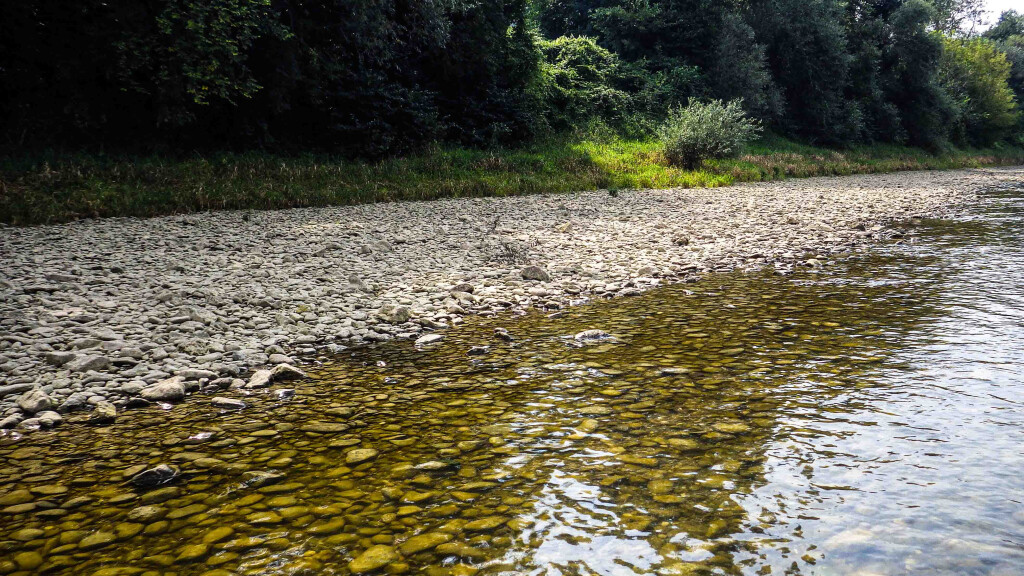
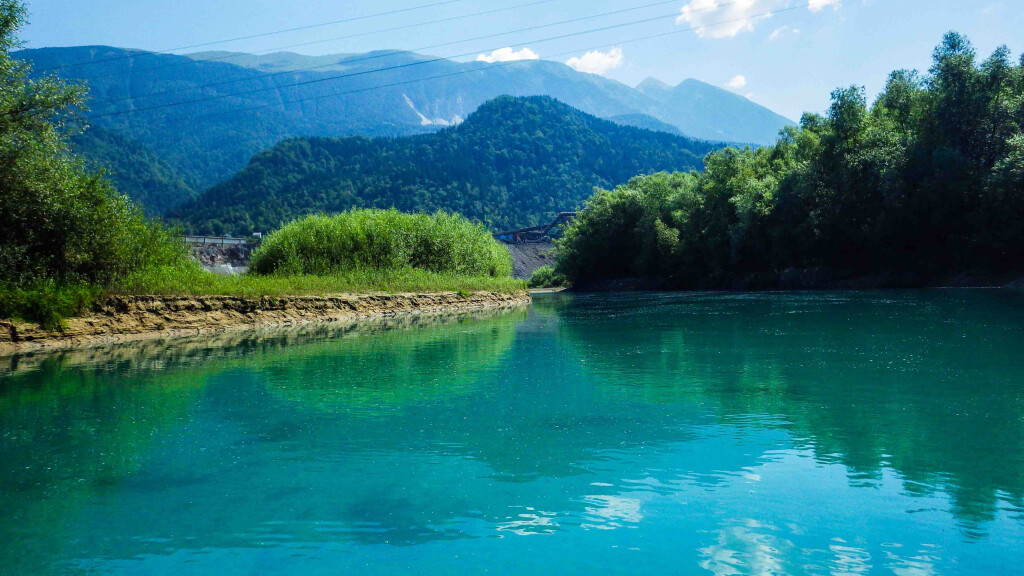
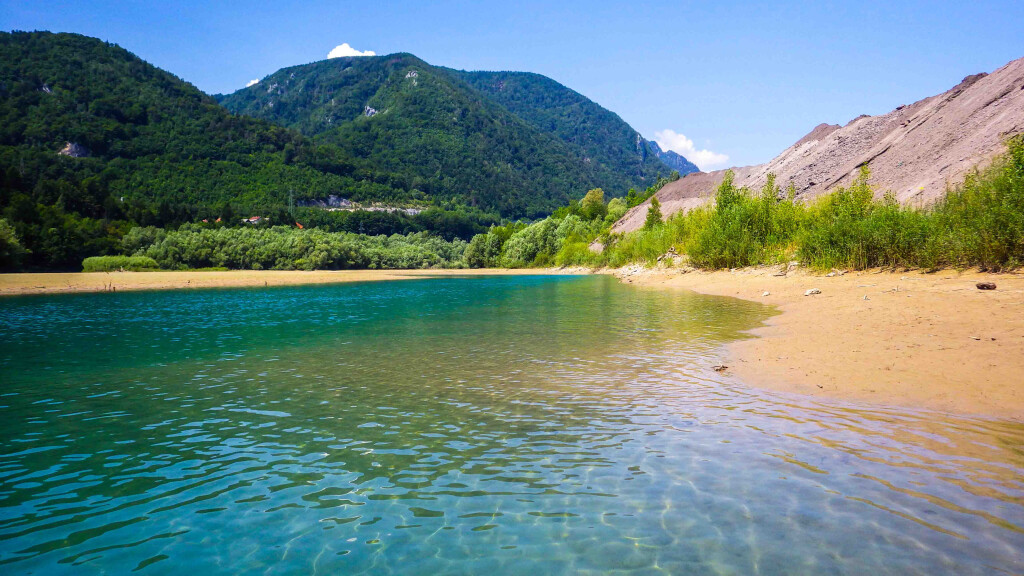
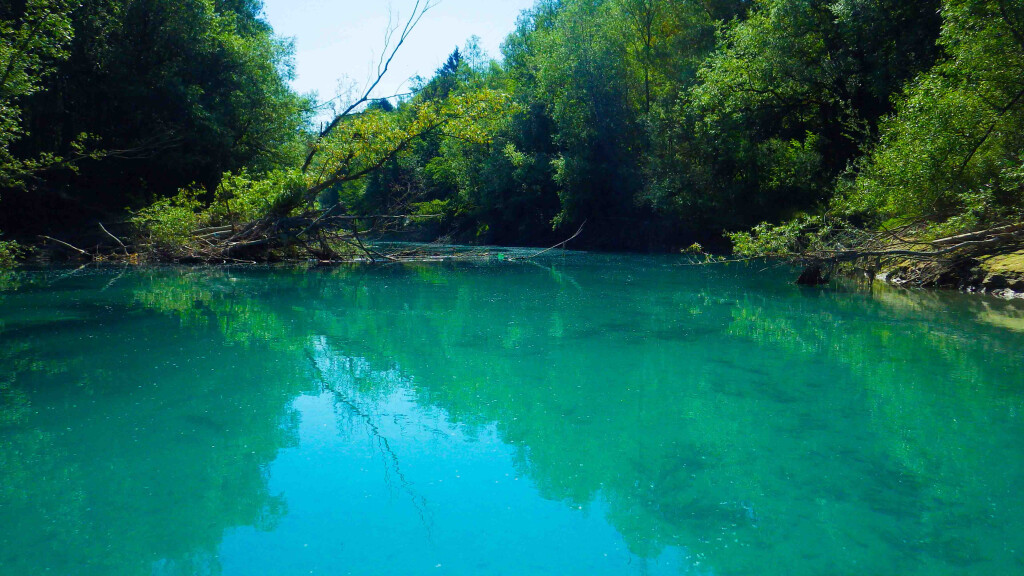

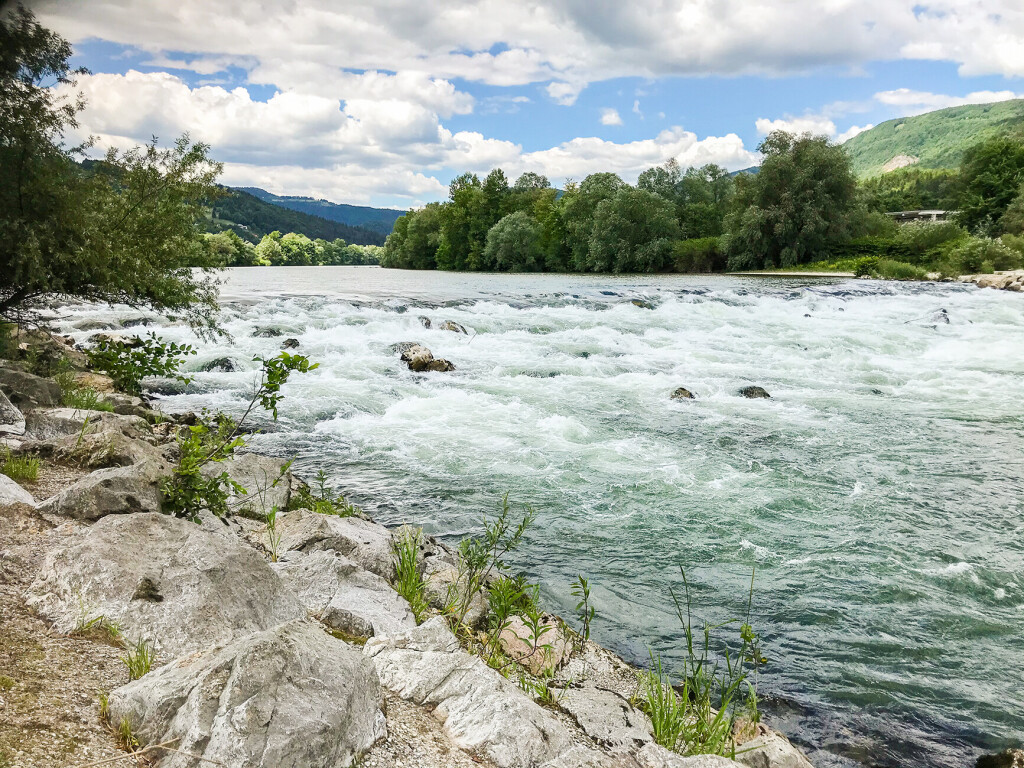
Cluster of rivers in the Sava River Basin

Danube salmon, European grayling, Cyprinids

Danube salmon conservation as a flagship effort for improving river health and protecting migratory species
It is not unique, that is why it is really useful for transfer and replication purposes.
The Sava Basin is one of Slovenia’s most important freshwater systems. It covers a large part of the country, includes 33 wetlands, 83 surface water bodies and 11 groundwater bodies, and holds around 69% of Slovenia’s groundwater reserves. In addition, one of the largest remaining subpopulations of Danube salmon in Europe and the Balkans can still be found in the Sava River in Slovenia.
This makes it a strong demonstration site for planning migratory fish conservation in a large, multi-use river basin where biodiversity, fisheries, hydropower, water management, agriculture and urban development all overlap.
Over time, the Sava Basin has been modified by river regulation, channelisation, barriers, hydropower development, land-use change, urbanisation and agricultural pressure. These changes have altered river morphology, flow dynamics, sediment transport and habitat structure.
As a result, many habitats have become more fragmented or degraded, and natural river processes that support spawning, migration and juvenile development have been reduced. The system still holds high ecological value, but its functioning has become increasingly shaped by human use.
The main challenge is by large the hydro-morphological alteration - the loss and fragmentation of suitable habitats for Danube salmon and other migratory fish. Barriers, decreasing sediment diversity and load, altered river flows, and disconnected river sections limit migration, natural reproduction, and long-term population resilience.
A key problem is thus the balancing of human pressures against nature conservation. In this respect, constructive cooperation among many sectors and stakeholders in order to ensure and restore river connectivity, habitat quality and fish conservation at the local and basin scale is the key.
The demo site supports the preparation of Slovenia’s National Strategy for the Conservation of Danube salmon and its habitats.
Workshops with fishing clubs, experts and local stakeholders will identify key pressures, threats, good practices, priority river sections and strategic restoration actions.
Existing research, new data (telemetry research) and local knowledge will be combined to assess Danube salmon distribution, spawning areas, habitat quality, migration barriers and restoration potential.
The main goal of the Sava demo site is to develop a practical and transferable model for habitat conservation and restoration of Danube salmon and other migratory fish species.
Within DANUBElifelines, the site demonstrates how a flagship migratory fish species can guide broader river restoration, improve habitat connectivity, and support more coordinated long-term management of freshwater ecosystems.
A telemetry study will provide new knowledge about behavioural ecology of Danube Salmon to understand habitat use and migration patterns. Telemetry is an established tool in animal conservation worldwide to reveal crucial insights in ecological connectivity, fish passage efficiency, spawning migrations, seasonal habitat use and many other. However, in Slovenia, this approach is new and our study will be the first of its kind, thus also adding to the scientific capacity in our country. The results will add to the science-base for the development of efficient conservation measures.
Activities are led by the Institute REVIVO within the DANUBElifelines, with partnership with the Institute of the Republic of Slovenia for Nature Conservation and the Fishing Association of Slovenia as Strategic partners and fishing clubs, municipalities, water managers, hydropower representatives, NGO’s and other local actor as stakeholders.
The Sava demo site will provide a practical model for developing conservation strategies for migratory fish in large, modified river basins. Its results can support other regions facing similar challenges: fragmented habitats, competing water uses, multiple authorities and the need to translate scientific knowledge into restoration priorities. The approach and lessons learnt can be transferred to many similar catchments around Europe.
The Sava demo site will showcase how a broad co-creative approach to planning conservation of a keystone species, grounded in sound science-base can support and advance river restoration and habitat protection for the benefit of migratory fish.
