A cross-border strategy to tackle poaching, overfishing, and protect key habitats for sturgeons and shads.
This site uses third party services that need your consent.
A cross-border strategy to tackle poaching, overfishing, and protect key habitats for sturgeons and shads.
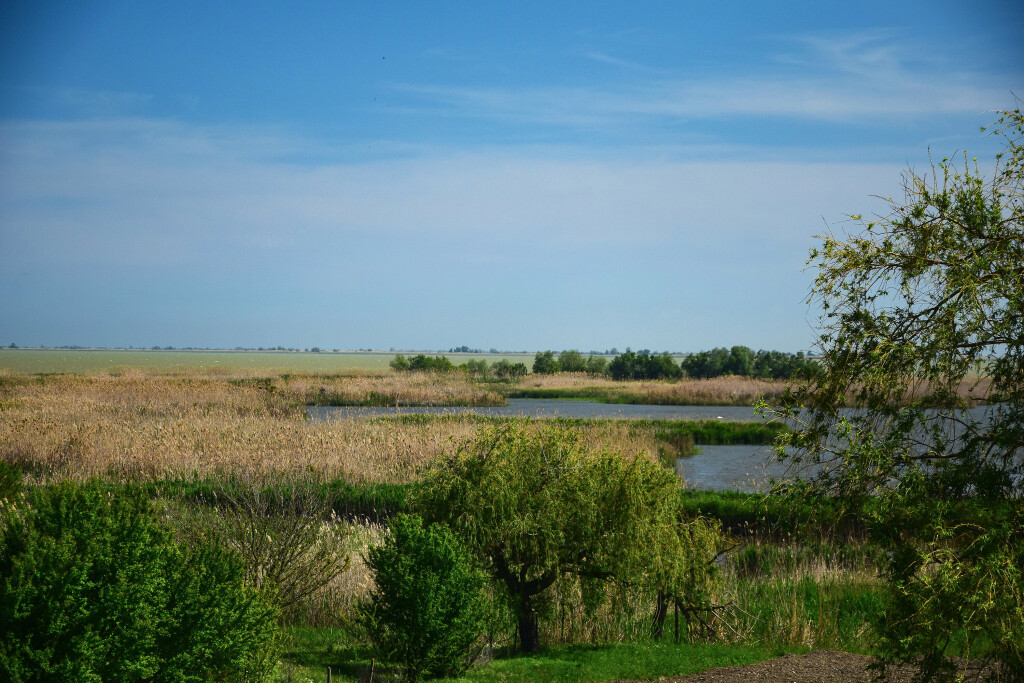
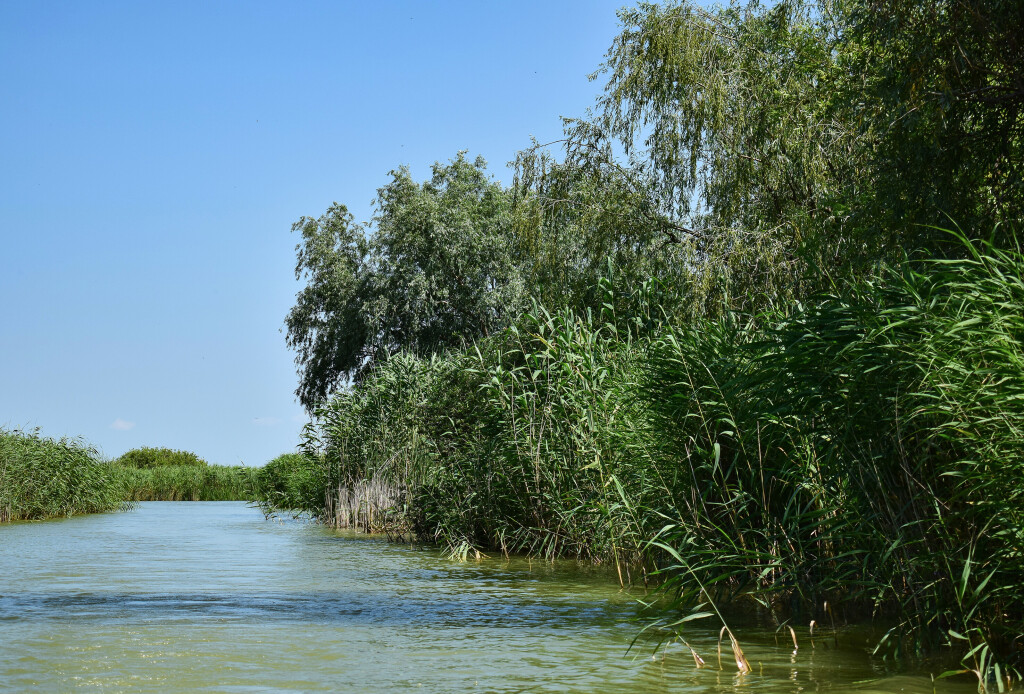
This demo site aims to strengthen protection of five threatened migratory fish species, particularly sturgeons and Pontic shad, by working with fishing communities, enforcement bodies, and decision makers in Romania and Bulgaria. The site focuses on coordinated bans, critical habitat protection, and capacity building to reduce poaching and overfishing while supporting fishers’ livelihoods.
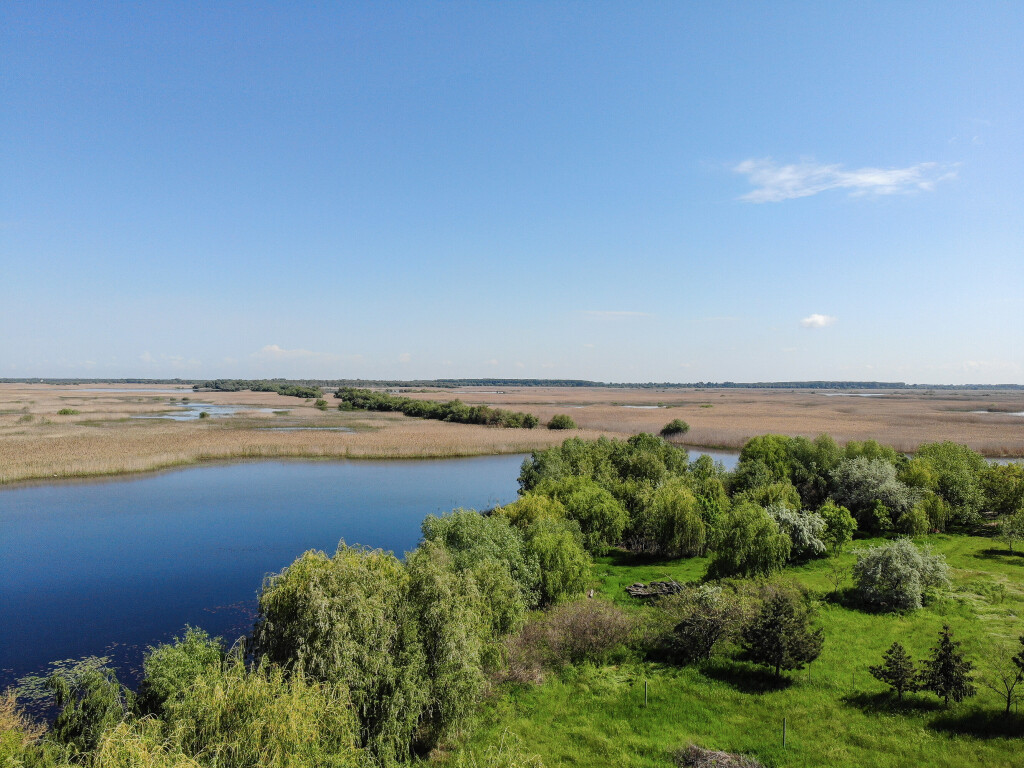
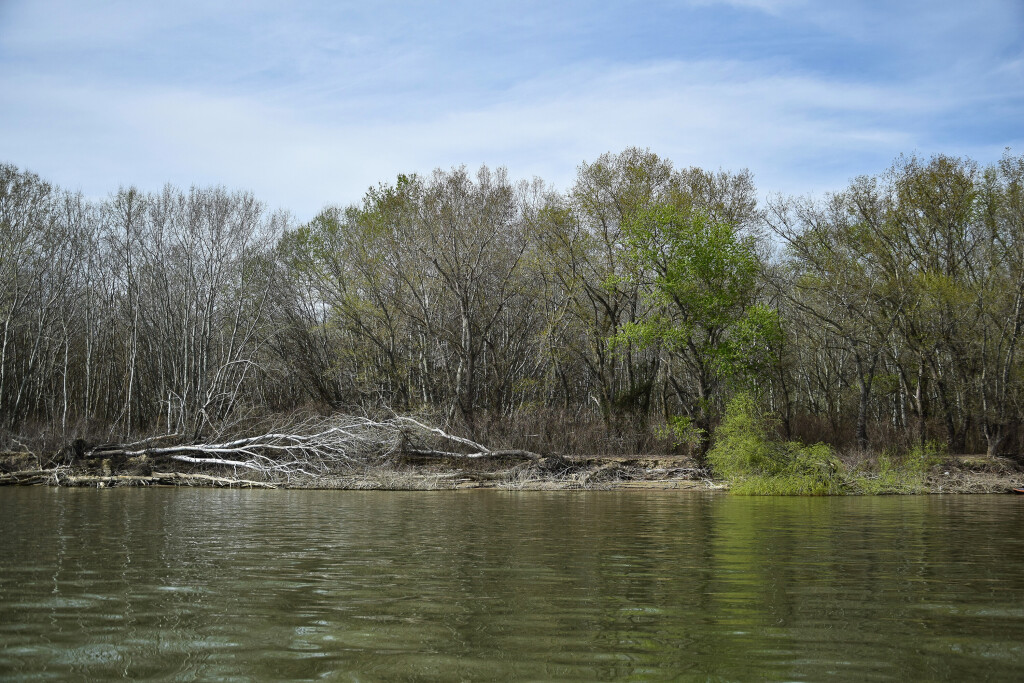

Common Danube section (RO/BG), including the Danube Delta

Pontic shad and 4 sturgeon species

Conservation of endangered fish species — particularly sturgeons and Pontic shad in the Romanian - Bulgarian Danube region
The site has the most preserved part of the Danube, the longest river in the European Union, with intact longitudinal connectivity hosting the most important habitats for sturgeon and Pontic shad. It covers the common BG-RO section of Danube River, Romanian Danube (length of approx. 839 km) and Danube Delta (approx. 6,750 km2).
Human impact on this part of the Danube River comes from construction of migration barriers upstream, draining floodplains, building dikes and dredging. Results are – disrupting fish migration and fish breeding habitats, limiting lateral connectivity and losing wetland related biodiversity.
Along with poaching, migration barriers are the main challenge for migratory fish species.
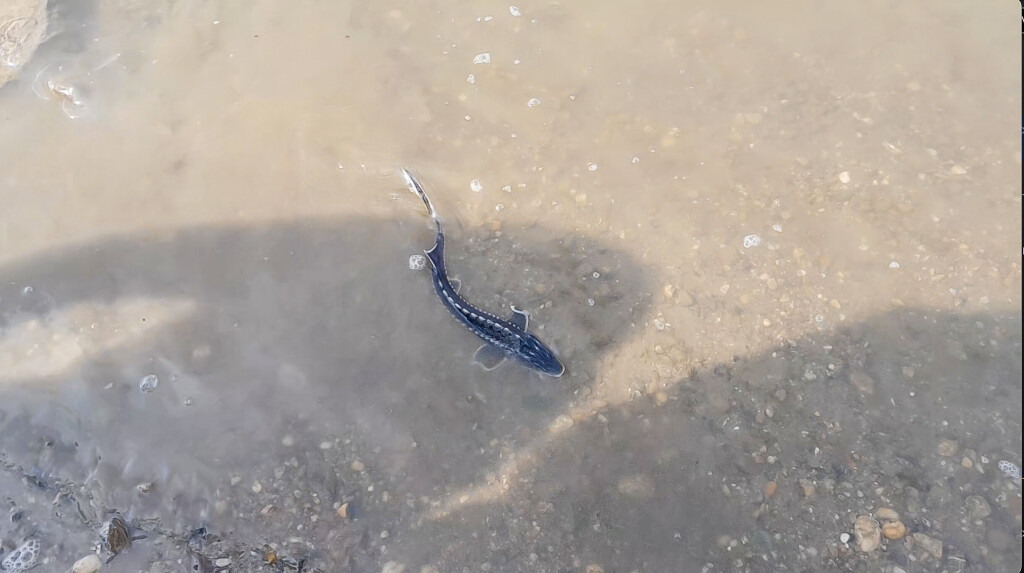
Effective practices for monitoring and research of habitats of sturgeon and Pontic shad will be tested and implemented to assess the effectiveness of measures targeting migratory fish in the Danube basin. This includes monitoring of young of the year (YoY) sturgeons, survey of Pontic shad reproduction, and Pontic shad habitat surveys.
The goal of the above activities is to contribute to testing and demonstrating solutions for the protection of critical habitats and migration periods of Danube shad and sturgeon by harmonizing the fishing ban between Bulgaria and Romania, extending the fishing ban on sturgeon in Bulgaria and declaring new protected areas or including habitats of sturgeon and Danube shad in existing protected areas or Natura 2000 sites.
Another goal is to plan additional measures and share knowledge with associated regions.
develop recommendations for migratory species management for fishing and conservation authorities;
protection of critical habitats for Pontic shad and sturgeon;
reduce fishing pressure on Pontic shad, as well as poaching and by-catches of sturgeon.
Knowledge on various levels can be used by other regions. Information on reproduction of target species gathered by the project can be directly used by other regions, which share the same species. Knowledge in terms of methodology and logic of actions can also be used directly – applying links between research, work with stakeholders, and proposing and applying conservation activities.
Identify spawning habitats and harmonization of close seasons between RO-BG.
The site can be described as the Lower Danube Green Corridor.
