Post-monitoring a flagship restoration to improve migration and flood resilience in the Pielach River.
This site uses third party services that need your consent.
Post-monitoring a flagship restoration to improve migration and flood resilience in the Pielach River.
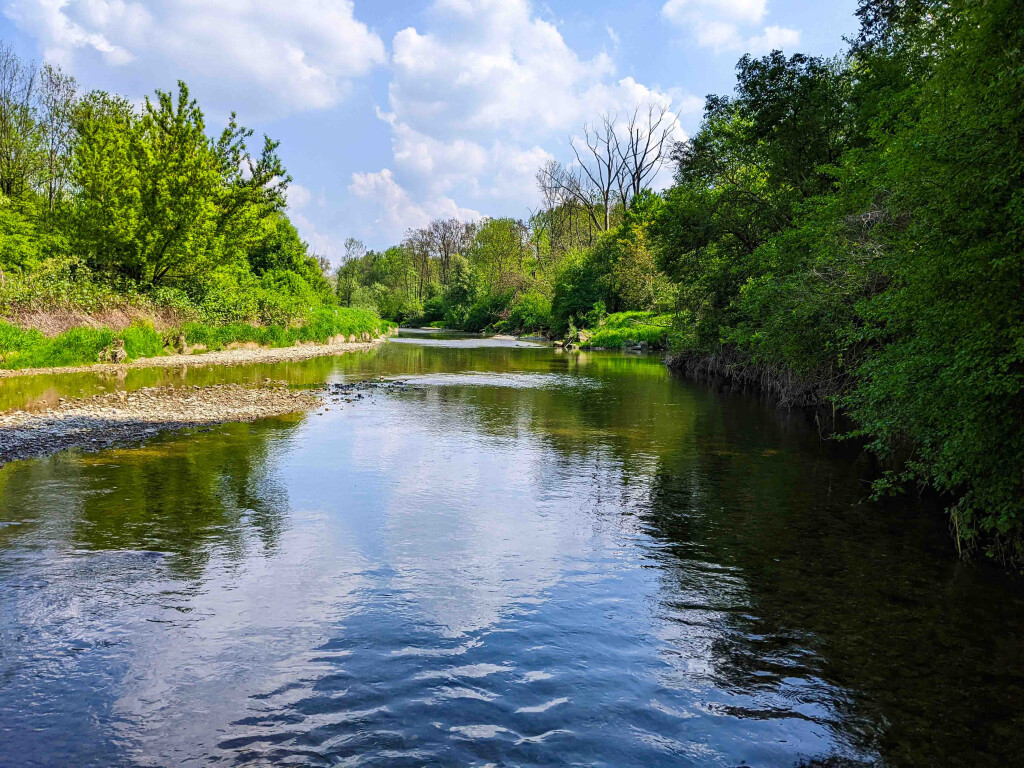
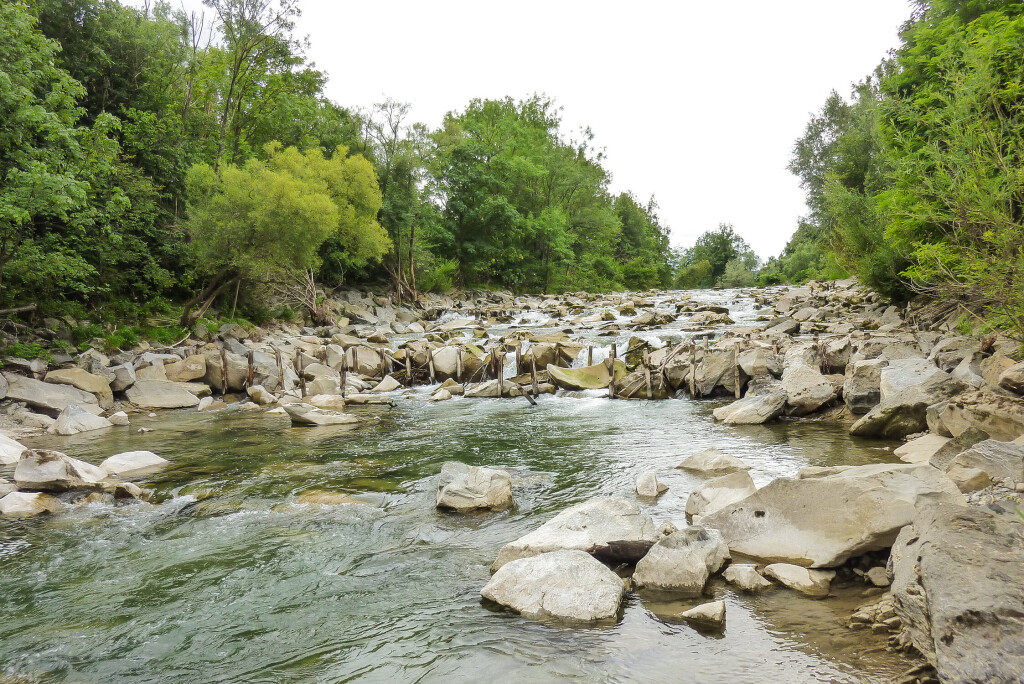
The Pielach River site demonstrates how Nature-based Solutions can benefit migratory fish species in smaller tributaries. As one of Austria’s last habitats for the Danube salmon (Hucho hucho), this site focuses on post-monitoring two recently implemented restoration measures and assessing their ecological, hydrological, and flood protection impact.

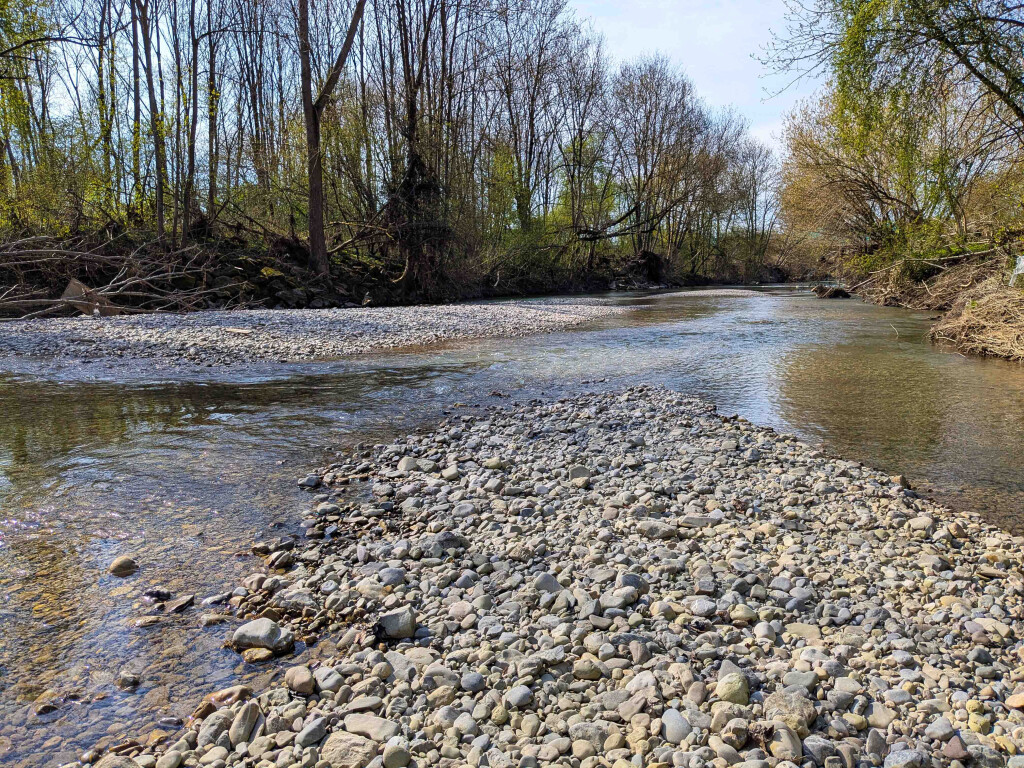

Pielach River (right-side Danube tributary)

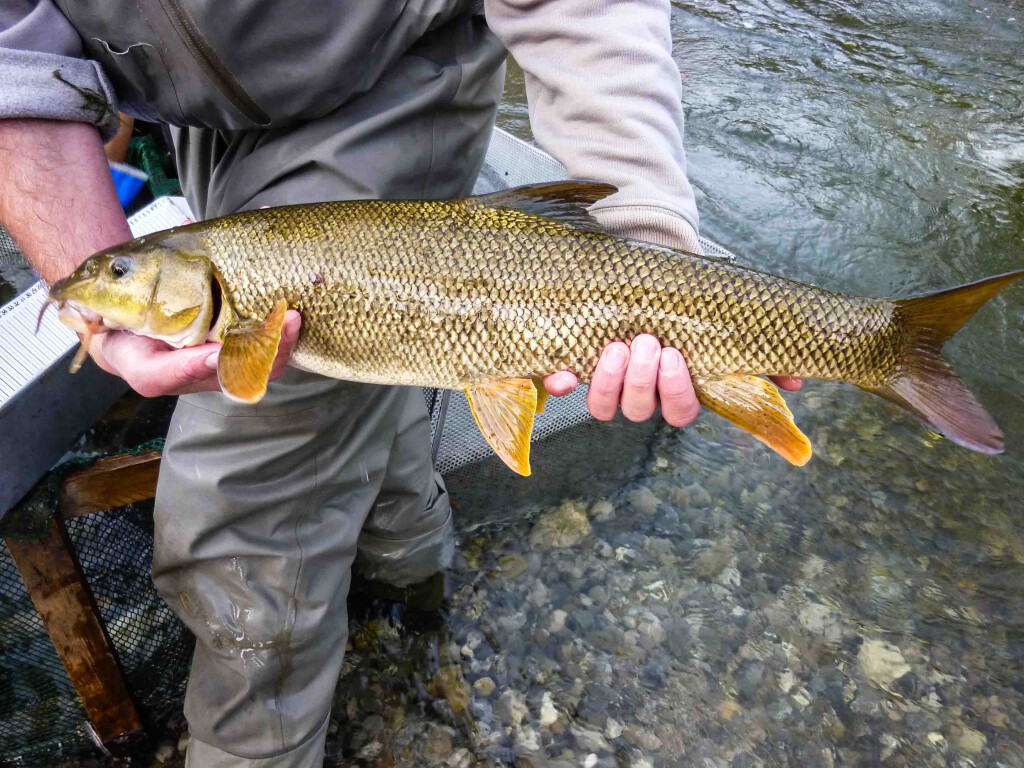
Danube salmon, European grayling

Removing barriers and restoring longitudinal connectivity for migratory fish
The river Pielach is the last tributary in the study area holding a viable Hucho hucho population. Currently a large habitat restoration is implemented parralel to the construction of a nature like fish pass.
Over the past century the river Pielach was heavily regulated for flood protection and hydropower use. Hence, there was a loss of habitat and connectivity along the whole river. Recently habitat and connectivity restoration measures has been implemented.
Not all barriers are equipped with fish pass facilities yet. Additionally climate change leads to increasing water temperature and a changing discharge regime.
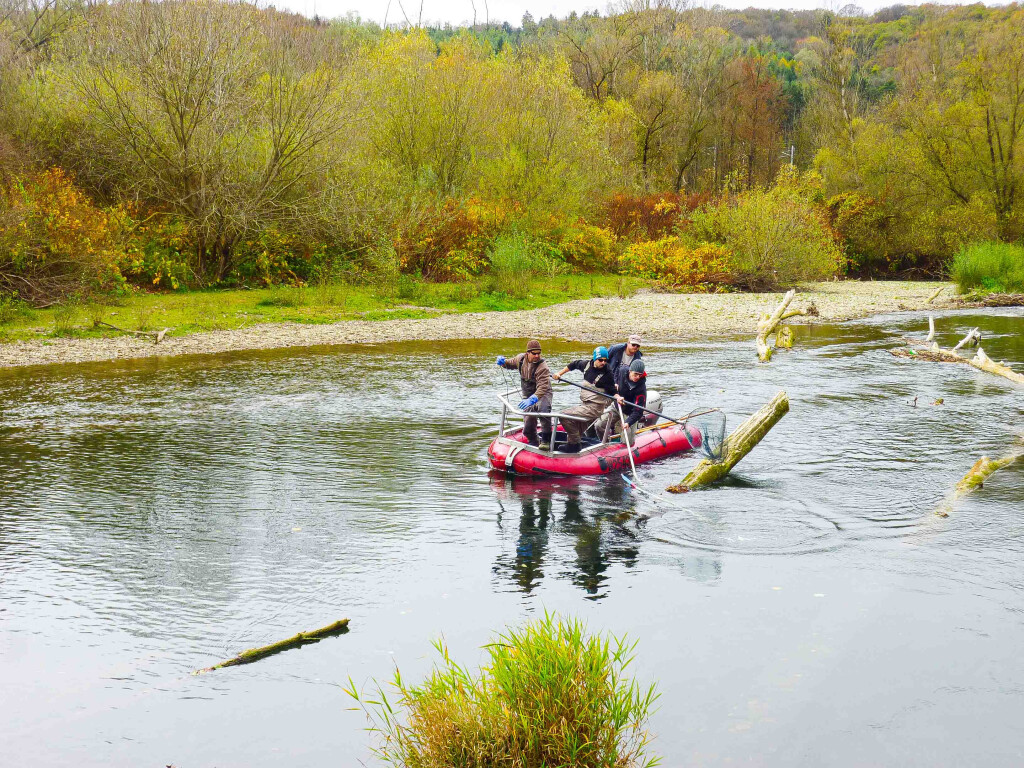
We conduct a pre- and post- monitoring of restoration site via electrofishing. Additionally we assess newly created spawning sites with focus on interstitial conditions using egg-sandwiches. Furthermore we study the impact on downstream spawning sites by turbidity caused by the restoration construction work using egg-flakes. We conduct a comprehensive habitat mapping to find further restoration potential in the Pielach river.
Assess the success of the current restoration measures.
Assess functionality of built spawning sites and find optimization potential for future measures.
Assess the impact of construction site turbitidy on downstream spawning sites for optimization in future measures.
Habitat restoration and reestablishment of migration corridor (near natural fish pass)
BOKU University, TUM, UDE
Fisheries right owners
Planing lead of restoration site
The knowledge gained regarding the success of the restoration measures implemented in the Pielach can be applied to other rivers. In particular when creating spawning grounds for migratory gravel-spawning fish.
Demonstrate that small tributaries can also provide valuable habitat for migratory fish in large river systems.
