The Inn River demonstration site tests large-scale connectivity restoration in a complex hydropower-influenced system.
This site uses third party services that need your consent.
The Inn River demonstration site tests large-scale connectivity restoration in a complex hydropower-influenced system.
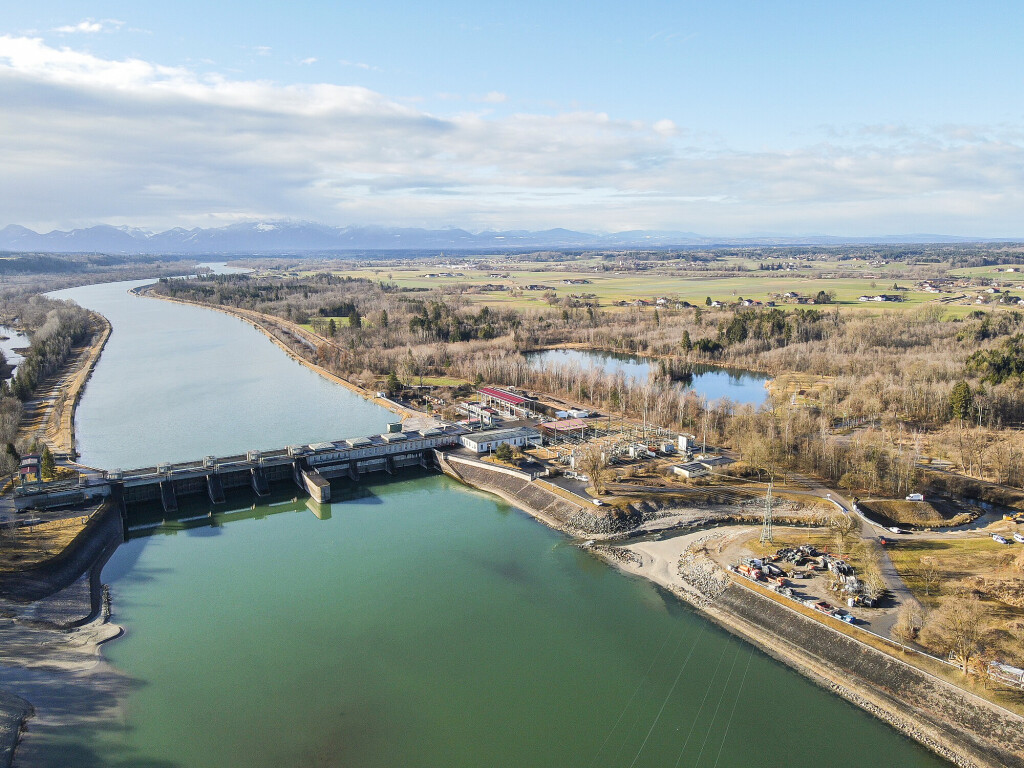
This demonstration site focuses on restoring fish migration and habitat connectivity across multiple locations along the Inn River in Germany. Using a holistic approach, the site aims to generate practical guidance for planning effective restoration and improving long-term decision-making for large alpine river systems.

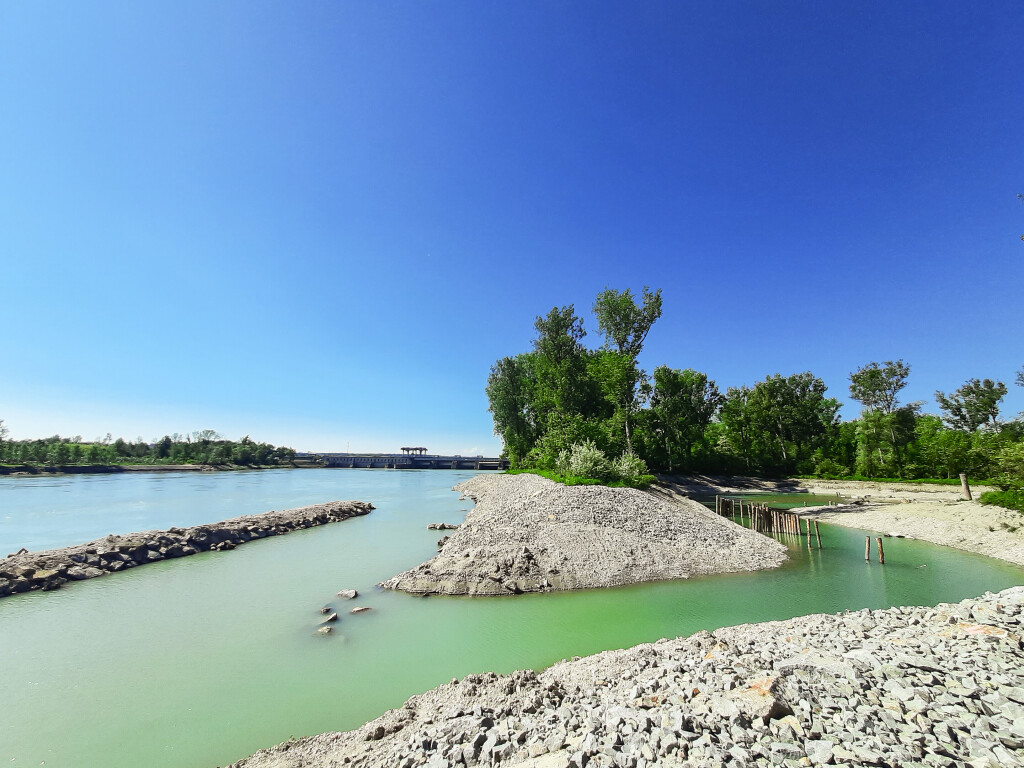
Demo site covers the River Inn (length of approx. 200 km) in Germany, with a particular focus on its confluence with the Danube.

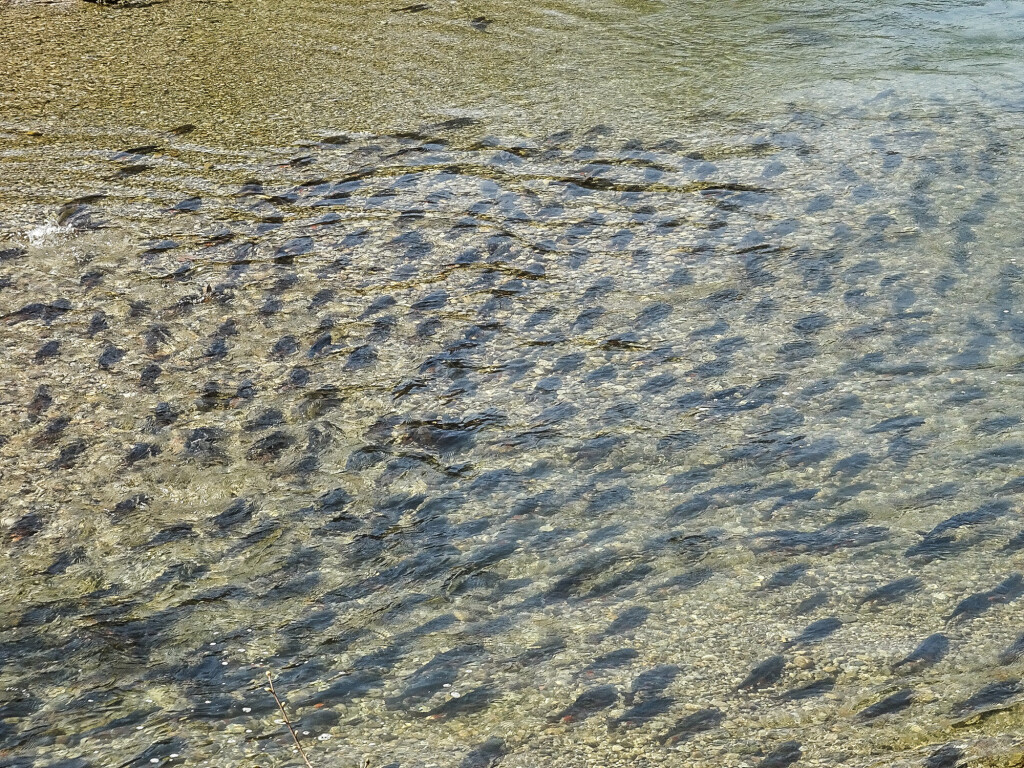
Danube salmon, European grayling, Cyprinids

Conserving freshwater fish populations through an assessment of their movement and habitat use.
The River Inn is a highly modified alpine river, with great human influences for flood protection, land reclamation, and hydro power generation. In the recent past, comprehensive restoration efforts have been implemented to mitigate these negative influences on the river’s ecosystem.
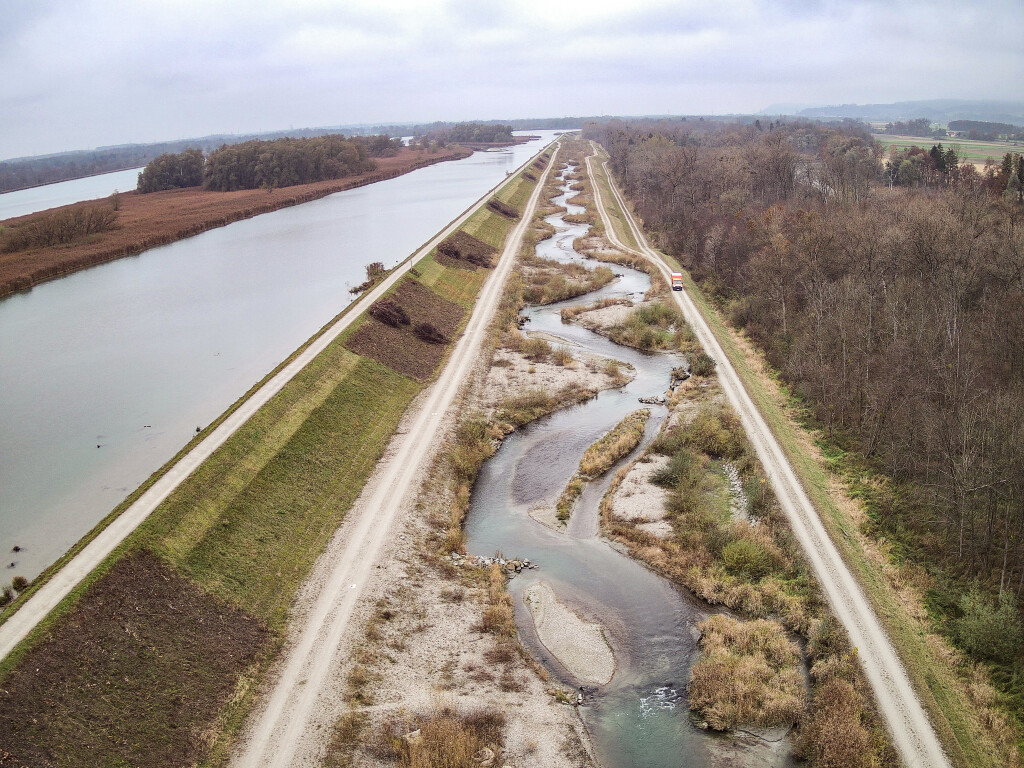
The River Inn underwent large-scale modifications over time, first for land reclamation, flood protection and navigation, and later for hydro power generation. These combined human impacts changed the river from a formally braided river with multiple branches, to a channelized river for most of its length, resulting in a loss of longitudinal and lateral connectivity and degradation of habitats.
Today, not all hydropower dams in the River Inn are equipped with fishways, and human modifications led to a great depreciation of quantity and quality of aquatic habitats.
Monitoring of fish movement and restoration effects via PIT-tags and electrofishing.
Evaluation of spawning success of DLL target species such as Hucho hucho.
Extending the knowledge on reactions of fish populations to restoration measures and regained connectivity.
Understanding the requirements needed for functional spawning grounds and their restoration in highly modified rivers.
Nature like and technical fishways, morphological restorations and spawning ground restorations.
Knowledge gained at the River Inn can be used for the implementation of restoration measures at other large alpine river systems, for example in the planning and construction of fishways or habitat restorations.
The River Inn site represents the upper most demo site of the danube catchment and aims to provide knowledge and practical guidance for the restoration of large alpine river systems.
The site can be described as the Lower Danube Green Corridor.
