Assessing the impact of multiple Nature-based Restoration to restore fish migration in a heavily fragmented river section.
This site uses third party services that need your consent.
Assessing the impact of multiple Nature-based Restoration to restore fish migration in a heavily fragmented river section.

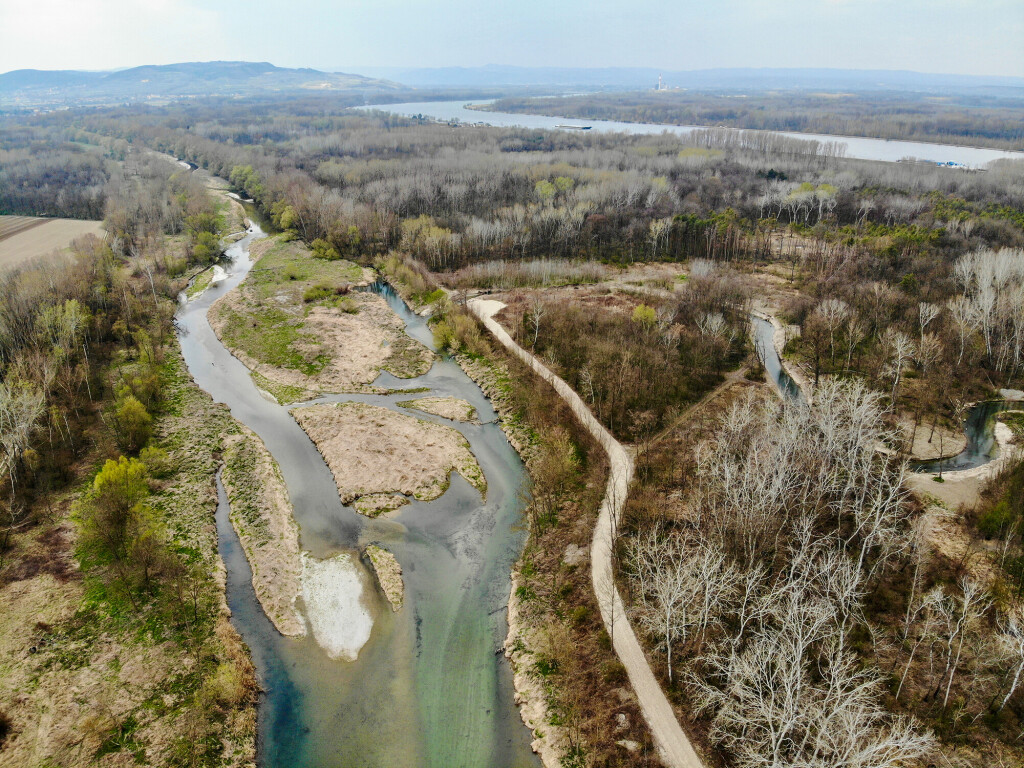
This site evaluates a combination of Nature-based Restoration actions across a highly regulated section of the Austrian Danube. It includes reconnected tributaries, fishways at hydropower stations, and over 10 habitat improvement measures. The aim is to assess multifunctionality in a fragmented river system and to inform future restoration planning for better ecological outcomes.
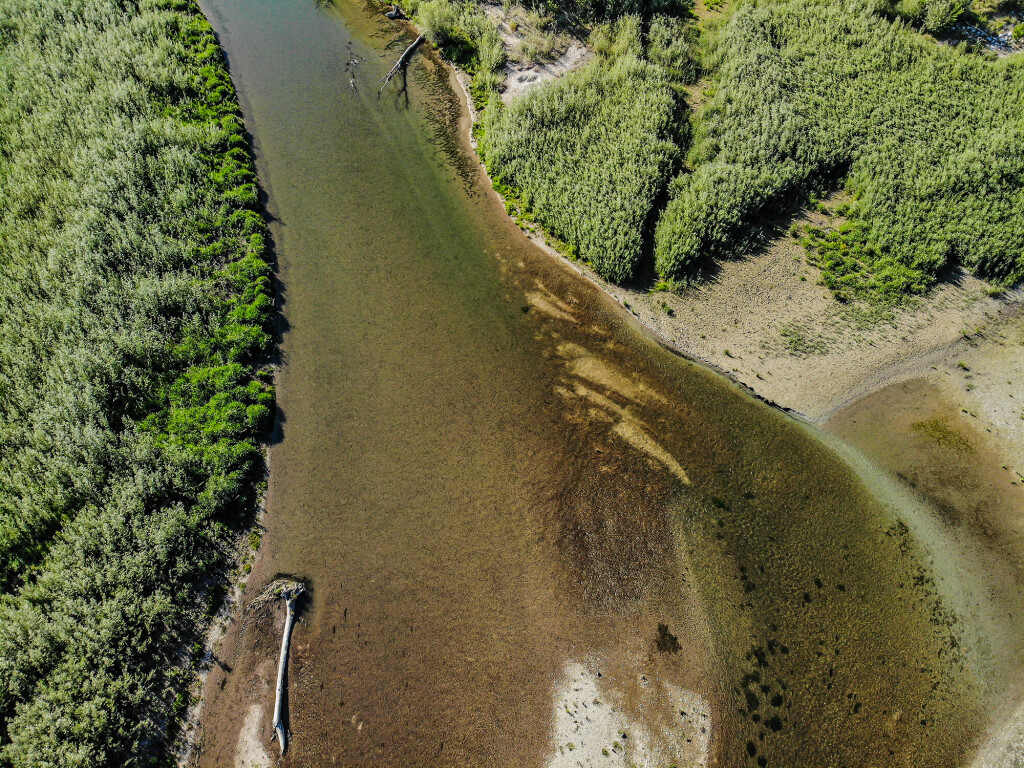
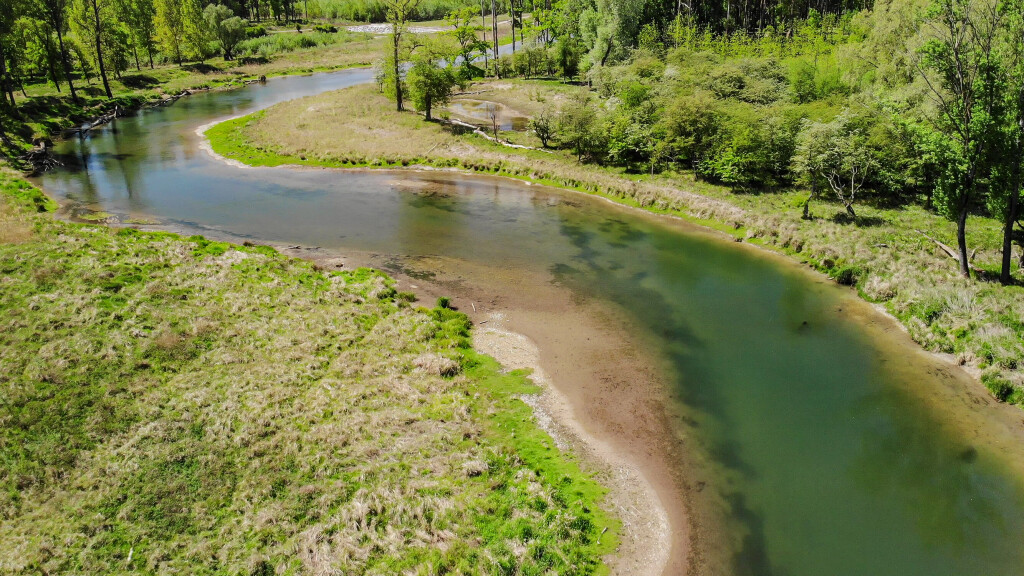

165 km of the Austrian Danube from downstream of Melk to the Slovak border

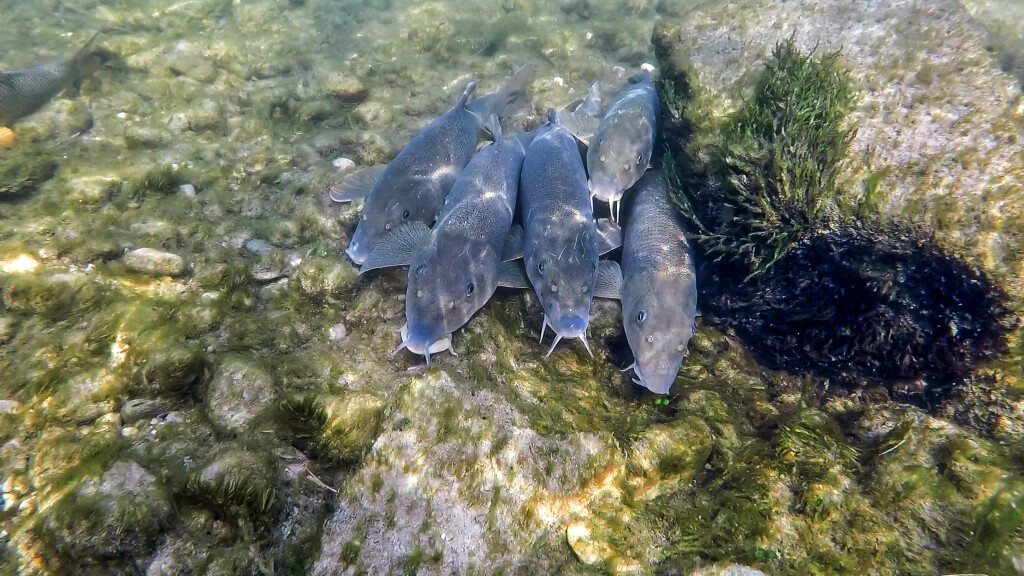
Sterlet, Danube salmon, Cyprinids

Meta-ecosystem connectivity and habitat solutions for migratory fish restoration and conservation
Restoration measures have been implemented in the Danube and in the tributaries giving an unique opportunity to study the large scale effect of restoration measures in such a highly modified riverine meta-ecosystem.
The Danube I demo site contains four large HPPs with impounded sections and a free-flowing river section downstream of Vienna. All HPPS are equipped with fish passes of various designs. There are several connected tributaries of varying sizes within the Demo Site.
The Danube I demo site is a highly modified riverine meta-ecosystem. The construction of four big HPPs and intensive river regulation for flood protection changed this river section from a wide river with extensive floodplains and a lot of sidearms to a channelized monotonous river. In the free flowing section a lack of sediment leads to river bed incision. Wave action caused by shipping leads to high mortality rates in the larval stages of migratory fish.
The main problem for migratory fish a the Danube I demo site is the lack of spawning habitat and protected larval habitats in the main river. Furthermore the big hydropower plants are all equipped with fish migration facilities, but little is known about the efficiency for downstream migration. No fish protection measures are implemented at the HPPS for downstream migrating fish
Maintaining a large scale PIT monitoring system with PIT interrogation antennas in all relevant tributaries and fish passes. Ongoing PIT tagging of migratory fish species during electro fishing.
To assess large scale effects and multifunctionality of habitat and connectivity restoration measures.
Habitat restoration and connectivity restoration in tributaries and in the main river.
BOKU University
VIA Donau
Verbund Hydropower
