Reconnect habitats across five barriers through solutions that respect both ecosystems and communities.
This site uses third party services that need your consent.
Reconnect habitats across five barriers through solutions that respect both ecosystems and communities.
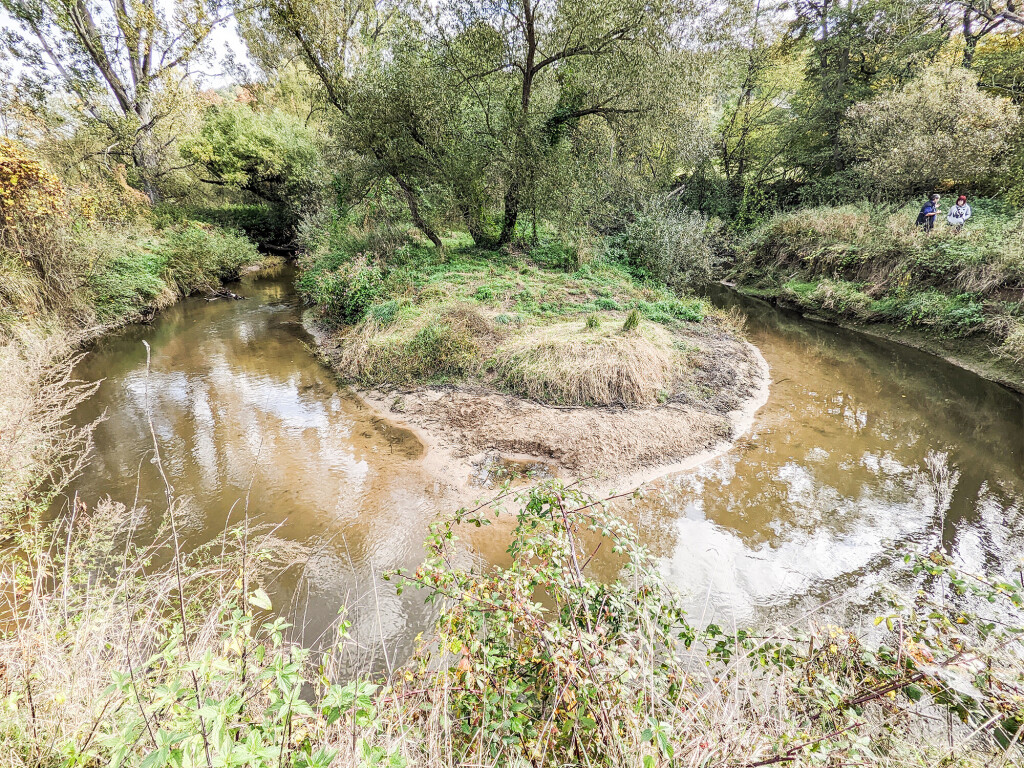
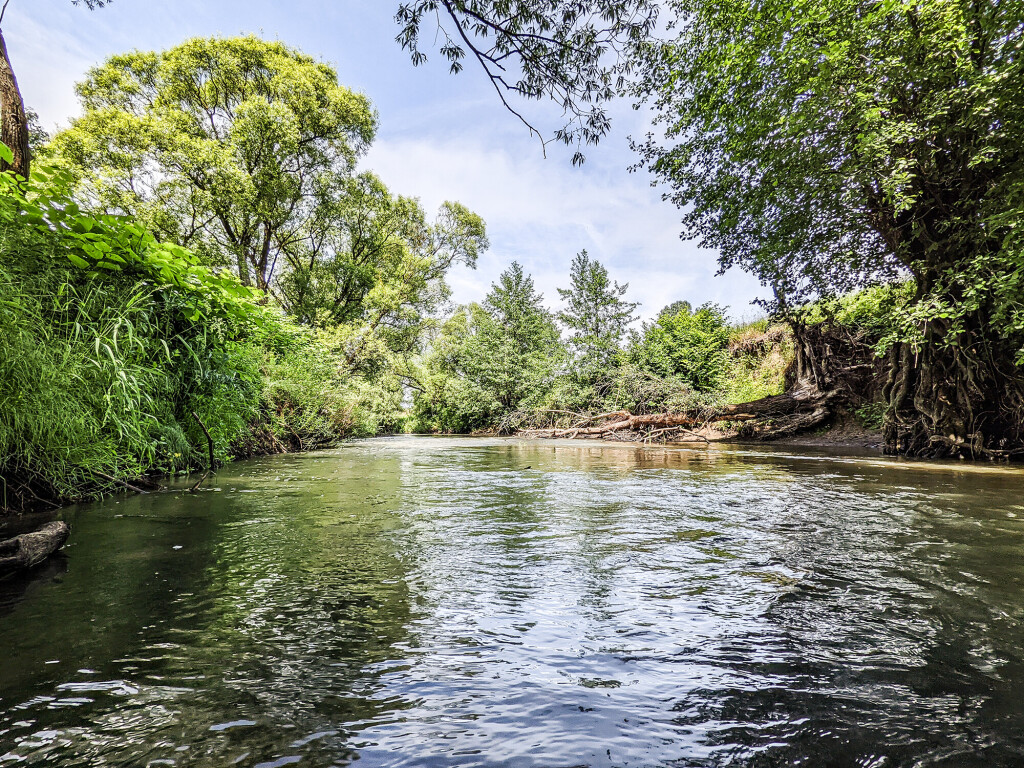
The uniqueness of the Ipoly River today does not lie in the fact that it is pristine wilderness, but in its enormous potential for ecological restoration. The presence of functional remnants of oxbow makes this waterbody an ideal testing ground for the application of nature-based solutions, the restoration of both longitudinal and lateral connectivity, and the removal of migration barriers, with the aim of restoring the river’s original ecological dynamics.
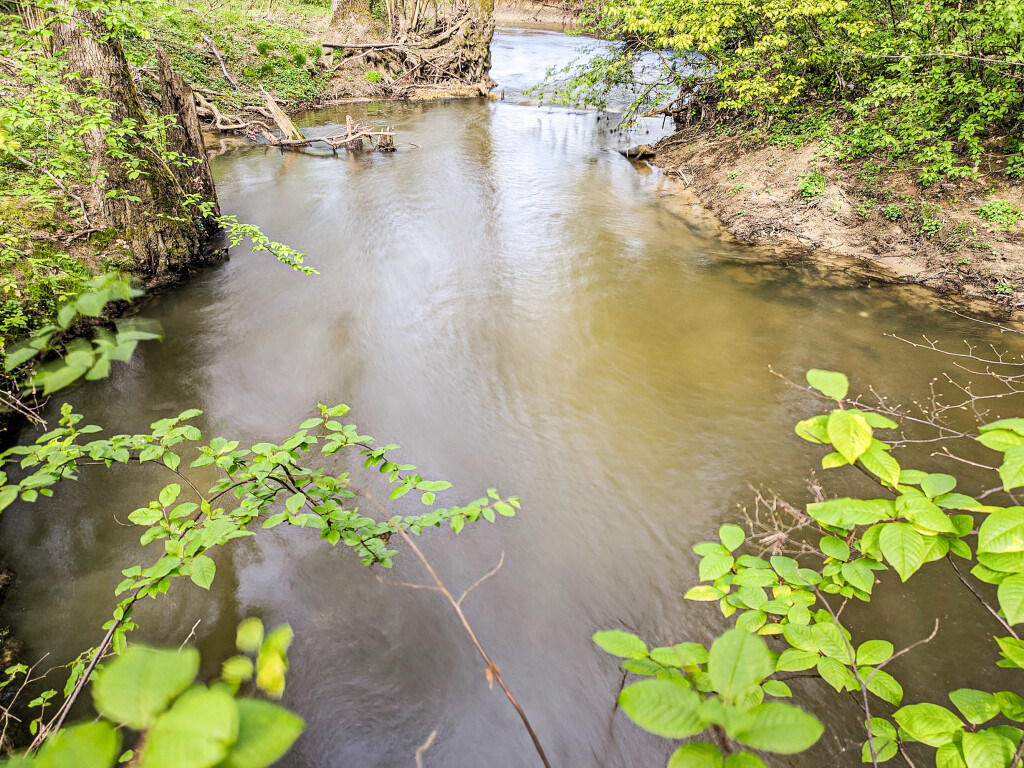
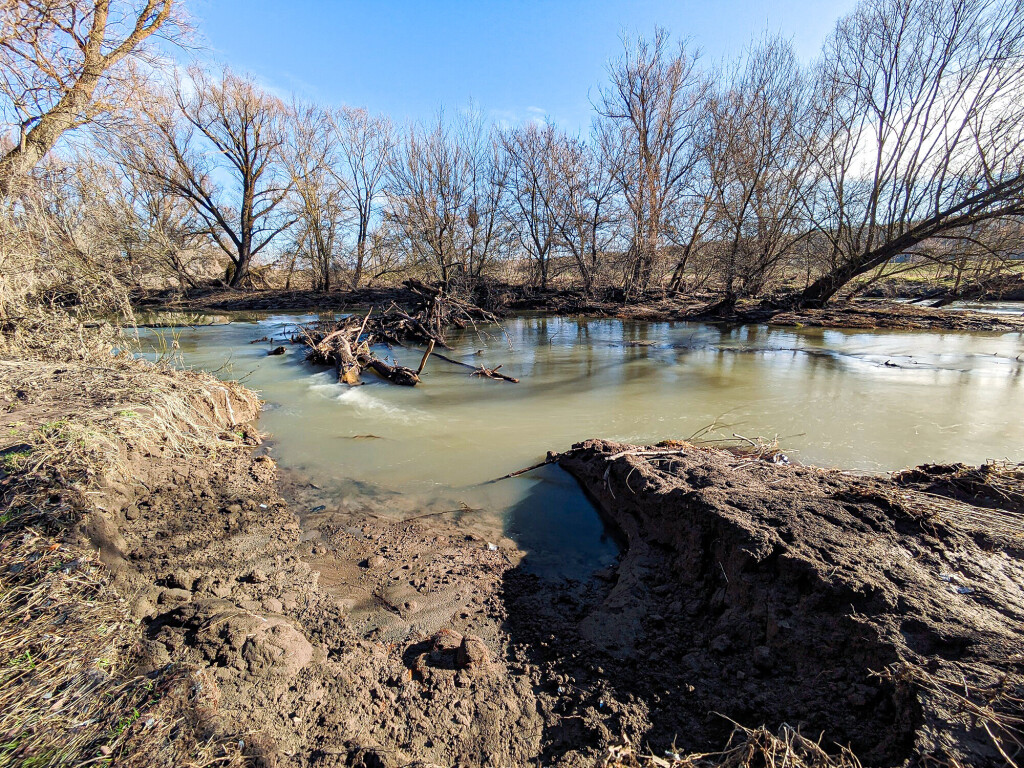

Ipoly River - a transboundary river between Slovakia and Hungary

Cyprinids, Percids

dentification of migration barriers, planning of effective and feasible measures
From its source, the river descends steeply into the lowlands after a relatively short mountainous stretch. It thus forms a distinct transitional interface between the Carpathian and Pannonian biogeographic regions. This steep slope and the subsequent sharp deceleration of the current determine the unique character of sediment deposition and channel dynamics. These physical-geographical gradients determine the entire biological community of the river – with occurence endangered aquatic species.
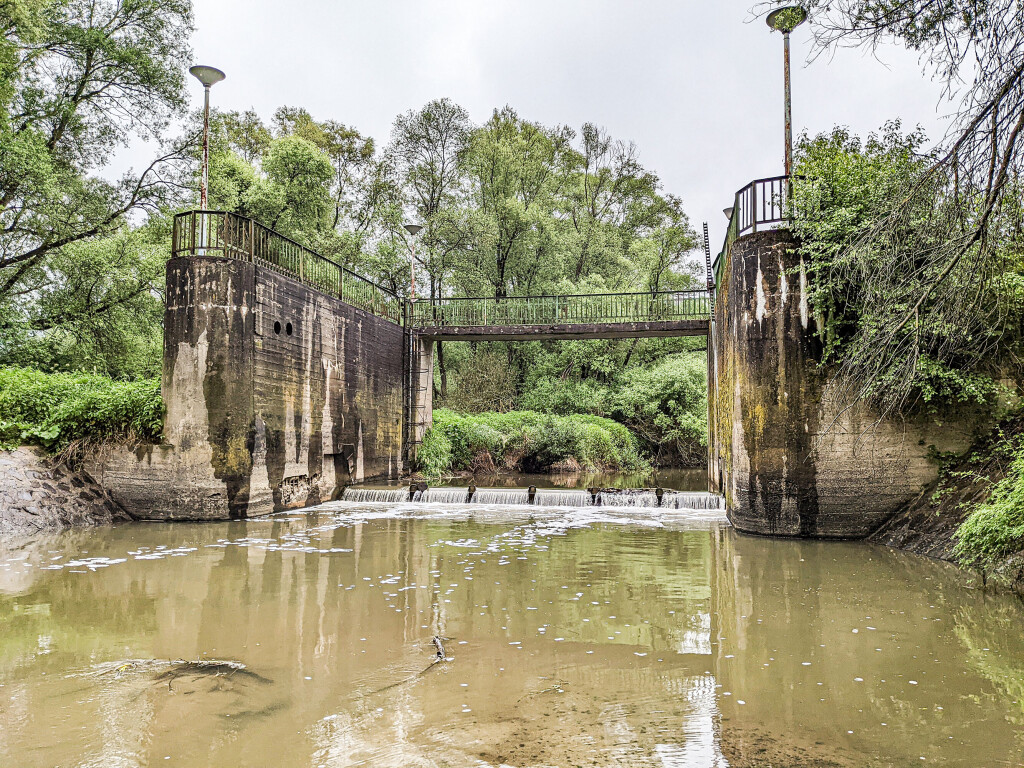
The Ipel River underwent extensive modifications, particularly in the second half of the last century, which led to the straightening of a significant section of its channel, the construction of migration barriers, and a reduction in the floodplain area.
From the perspective of migratory fish, this represents a loss of connectivity and habitat. Since this is a transboundary river, a solution should be sought not only at the local level (through the national water authority) but also at the international level.
habitat mapping, assessment of migration passability of barriers, mapping of revitalization potential, coordination of national and international stakeholders
setting priorities for revitalization, improving planning for short- and long-term measures to restore the river
combination of technical measures (improvements of fispasses and oerational manual for dams) and nature-based solutions (dam removal and restorations)
Slovak andgling association, local water and conservation authority
Seeking joint solutions for transboundary rivers, working with water authorities in Central and Eastern Europe.
setting priorities, proposing short-term and long-term solutions, improving cooperation at the national and international levels with the aim of improving the status of migratory species, and raising awareness of this river among local decision-makers
The Ipoly is a river in an economically disadvantaged region, but the restoration of the river itself could serve as a catalyst for the development of the entire region.
