A science-based, stakeholder-informed approach to improve habitat quality and lateral connectivity for migratory fish.
This site uses third party services that need your consent.
A science-based, stakeholder-informed approach to improve habitat quality and lateral connectivity for migratory fish.
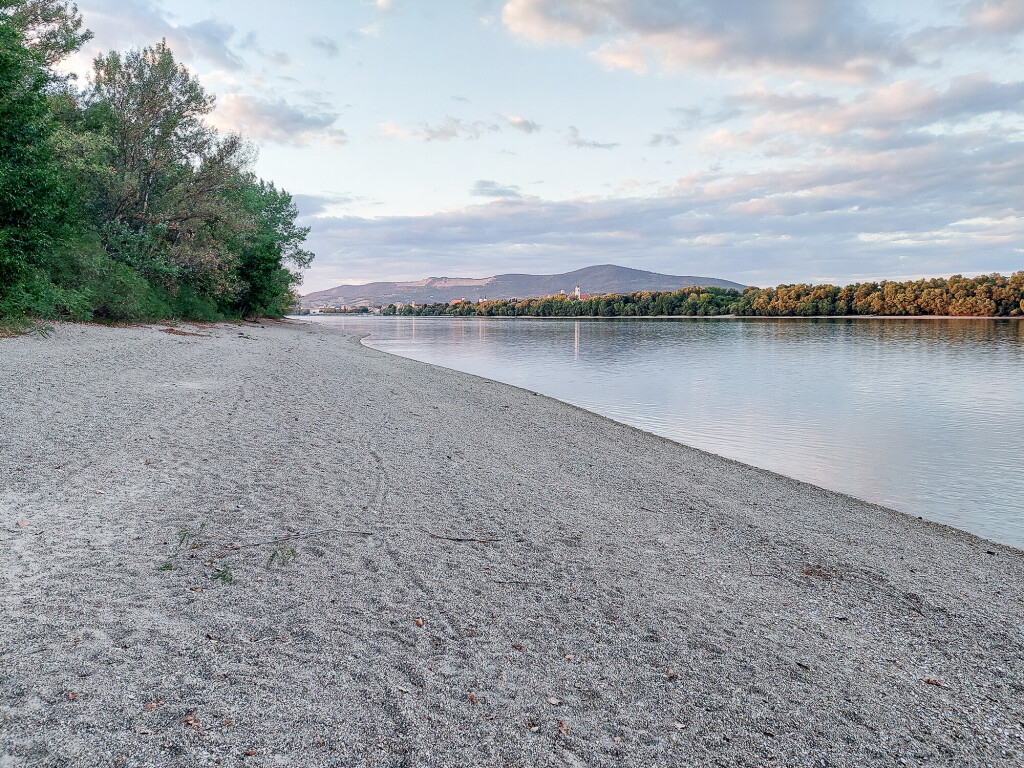
This demonstration site focuses on the development of a science-based, stakeholder-informed restoration plan to prioritise Danube side arms as critical habitats for migratory fish. The project aims to identify key migration corridors and assess the importance of habitat quality and lateral connectivity for restoring fish populations in the Hungarian section of the river.
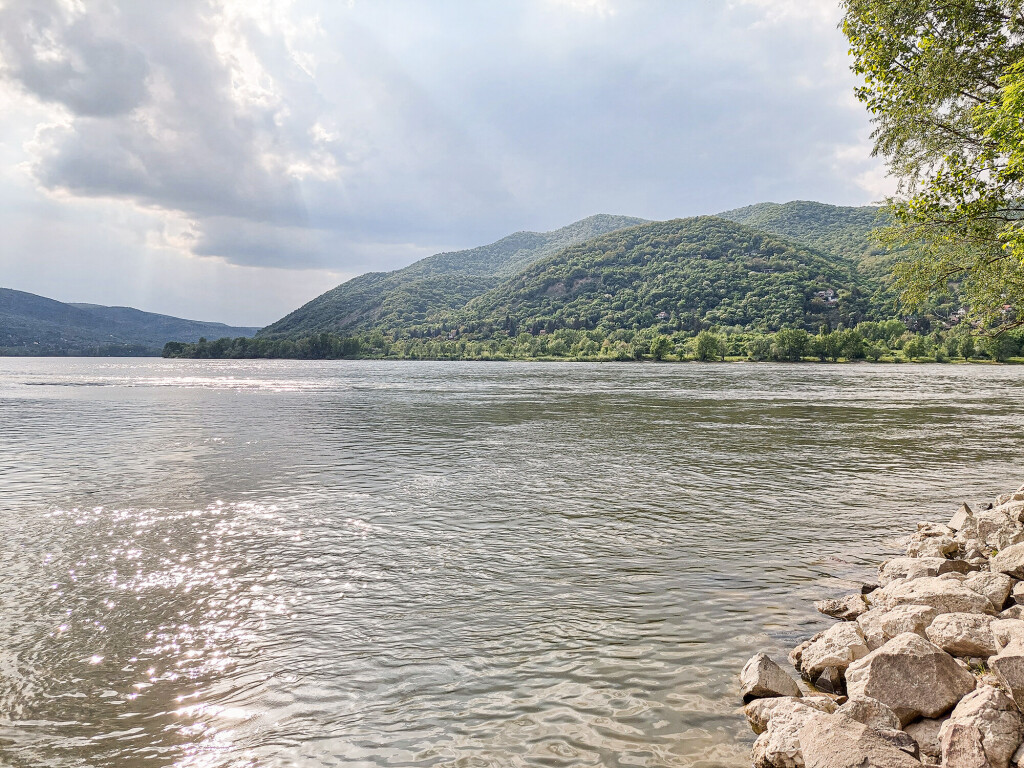

Hungarian Danube from Gönyű to Budapest (1790 rkm – 1650 rkm)

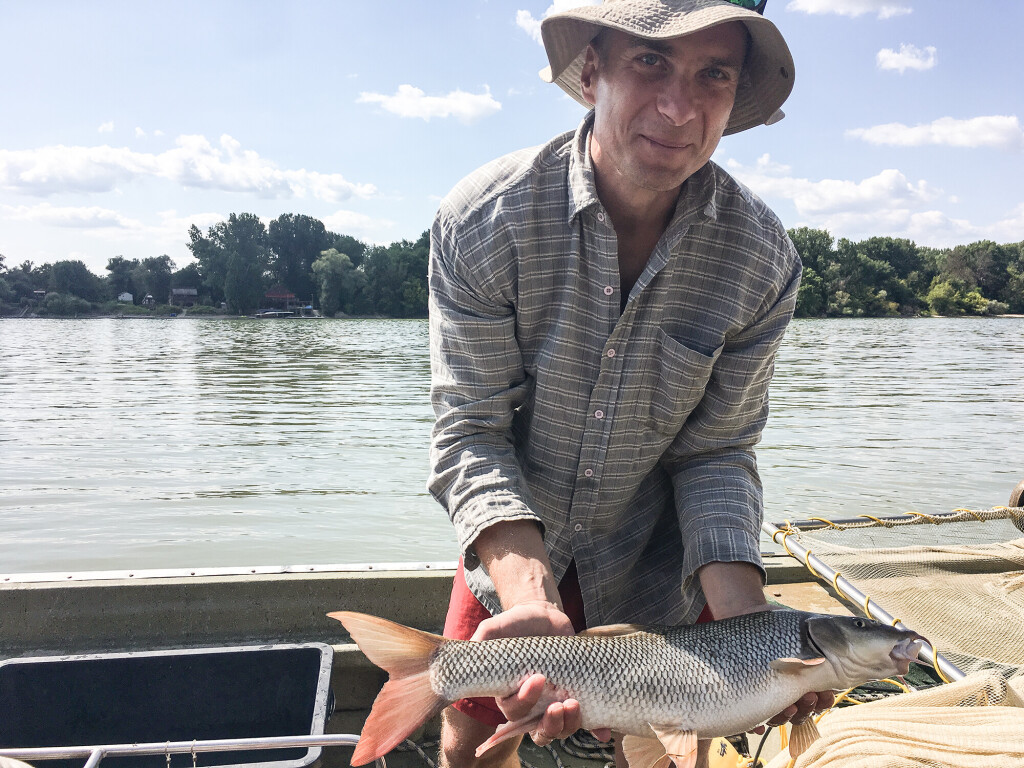
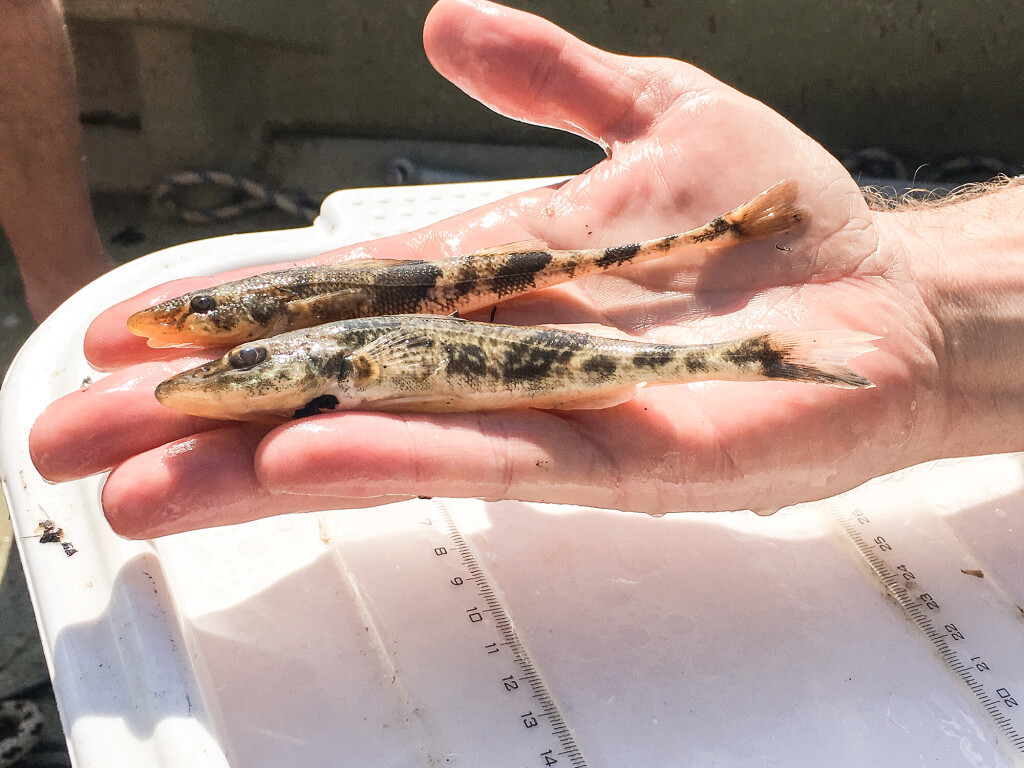
Sterlet, Cyprinids, Zingel, Danube streber

identification of habitats critical to restoration, importance of lateral connectivity, management recommendations, RBMP implementation
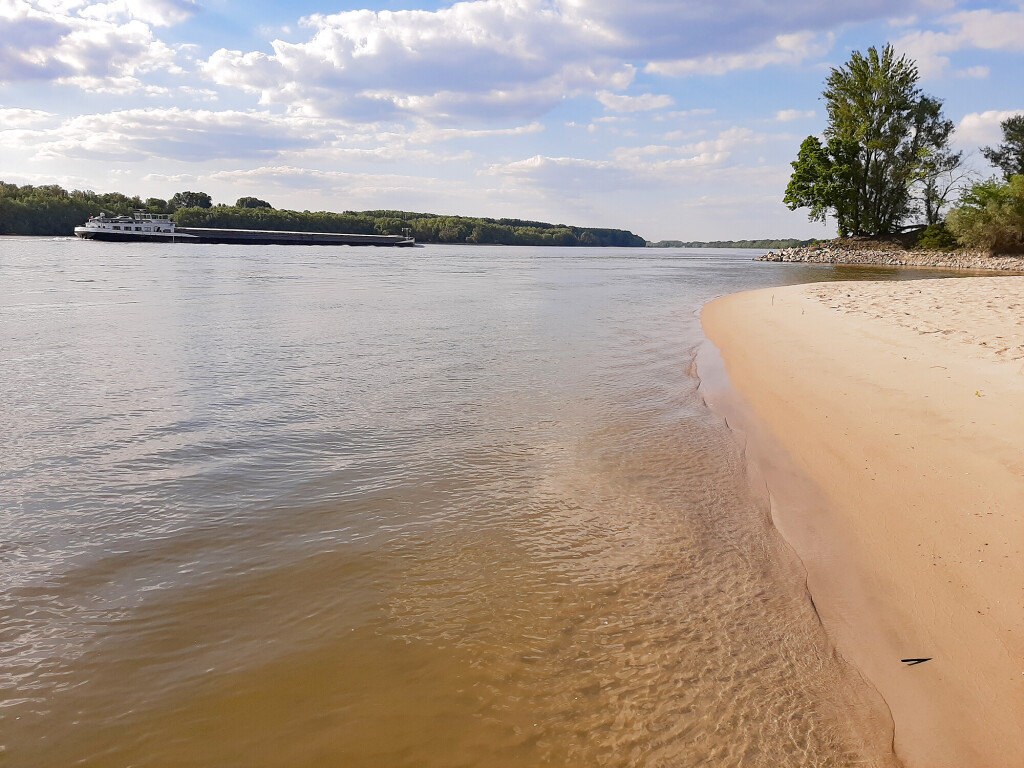
Although each Demo Site is unique, the strength of the DLL Demo Site network lies in its coverage of the longitudinal gradient of the Danube. The Danube II Demo Site includes numerous side arms covering a broad degradation gradient, primarily driven by connectivity loss.
River regulation and channelization, including the construction of groynes, embankments, and navigation-enhancing structures, have altered sediment dynamics and flow regimes, accelerating island succession and promoting the siltation or disconnection of side arms in the Hungarian portion of the Danube. As a result, many islands become incorporated into the riverbank, leading to reduced channel width, loss of hydro-morphological complexity, and ultimately, the homogenization of aquatic, side channel habitats. These processes pose major challenges for biodiversity conservation and sustainable river management, especially in the mainstem of intensively used large rivers such as the Danube.
Besides longitudinal barriers, the Danube also faces a loss of lateral connectivity - ranging from partial to complete fragmentation of side arms, which are critical habitats for migratory fish.
Bringing diverse stakeholder groups – including decision-makers – together to collaboratively prioritize Danube side arms for restoration, aligned with stakeholder and societal needs. / Assessing how connectivity shapes fish communities.
To identify and prioritize restoration measures for Danube side arms that reflect ecological and societal needs. / To support evidence-based management and effective restoration planning for migratory fish species.
Restoration and reconnection of Danube side arms, with a focus on improving lateral connectivity and habitat conditions for fish communities.
Research institutes, national parks, water management authorities, and angling organizations.
The intensive survey across a broad environmental gradient ensures scalable, generalizable results transferable to other river systems.
Prioritizing Danube side arms for restoration by evaluating their ecological functioning and role in supporting critical habitats, migration corridors, and connectivity for key migratory fish species, while aligning with stakeholder and societal needs.
Side arms provide refuge, feeding, and spawning habitats for many fish species; their restoration enhances biodiversity and river resilience.
