I love February - not only because January is finally over, nor because Valentine’s Day fills the middle of the month with hearts and flowers. I love February because it begins, on the 2nd, with World Wetlands Day.
And if Marilyn Monroe sang that diamonds are a girl’s best friend, I’m happy to sing that wetlands are our fish’s guardian angels. Precious, threatened and quietly disappearing, wetlands and migratory fish conservation go hand in hand.
Wet-what? Wait … What? Wetlands?
Wetlands are places where water and land meet: floodplains, oxbow lakes, marshes and deltas. They may look ordinary, but they are among the most productive ecosystems on Earth. For rivers, they slow water and reduce flood risks. For fish, they provide shelter, spawning grounds and nursery habitats.
Because of this, wetlands are recognised internationally as ecosystems of global importance. Under the Ramsar Convention on Wetlands, countries commit to protecting wetlands not just as sites on a map, but for the ecological functions they perform, including supporting fish populations and migration.
Why wetlands matter for migratory fish
Rivers are migration routes. Wetlands make migration possible.
Across the Danube Basin, riverine wetlands form a network of calmer, food-rich habitats connected to the main river channel. Migratory fish depend on these areas at key moments of their life cycle: to reproduce, to grow, and to survive periods of stress such as floods, droughts or winter conditions.
When wetlands are lost or disconnected, rivers lose resilience and fish lose access to essential habitats.
Wetlands in practice: the Rába River oxbow
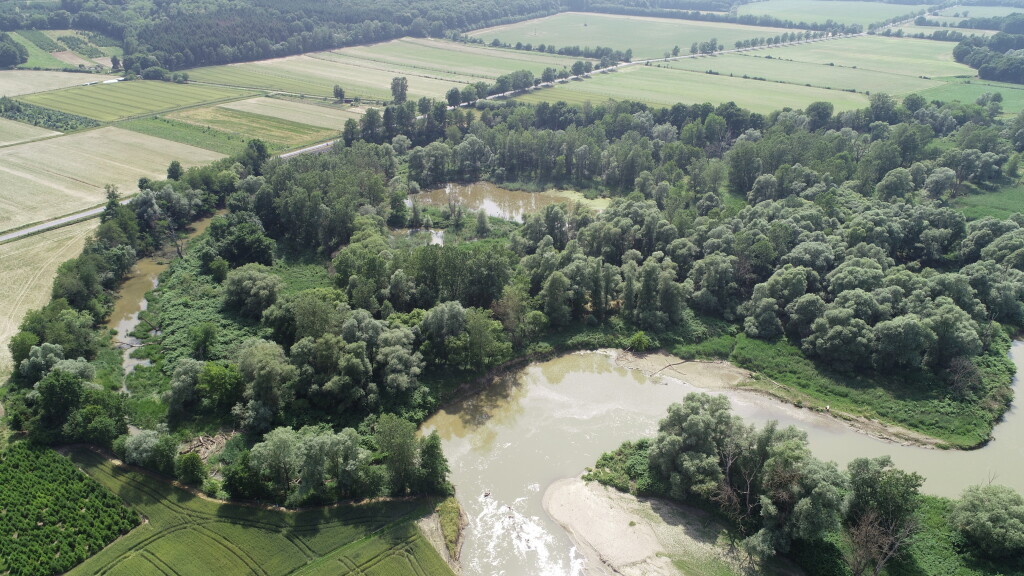
This link between rivers and wetlands is clearly visible at the Rába River demo site within the DANUBElifelines.
Here, restoration focuses on reconnecting an isolated oxbow with the main river channel, improving spawning and rearing conditions for fish. The site lies within a Ramsar-designated wetland area, recognised for its role as part of a wider river network supporting ecological connectivity.
Wetlands, people and rivers
For centuries, wetlands along the Danube have shaped local livelihoods, fisheries and flood protection. This traditional ecological knowledge reflects a deep understanding of how rivers and wetlands work together.
Today, restoring wetlands means combining this knowledge with modern restoration approaches to support biodiversity, reduce climate risks and keep rivers functional for both nature and people.
Wetlands as lifelines
On World Wetlands Day 2026, we recognise wetlands as ecological lifelines - for migratory fish, resilient rivers and river communities.
By restoring river connectivity and working across borders, DANUBElifelines contributes to a future where wetlands in the Danube River Basin remain living systems, not forgotten spaces between land and water.