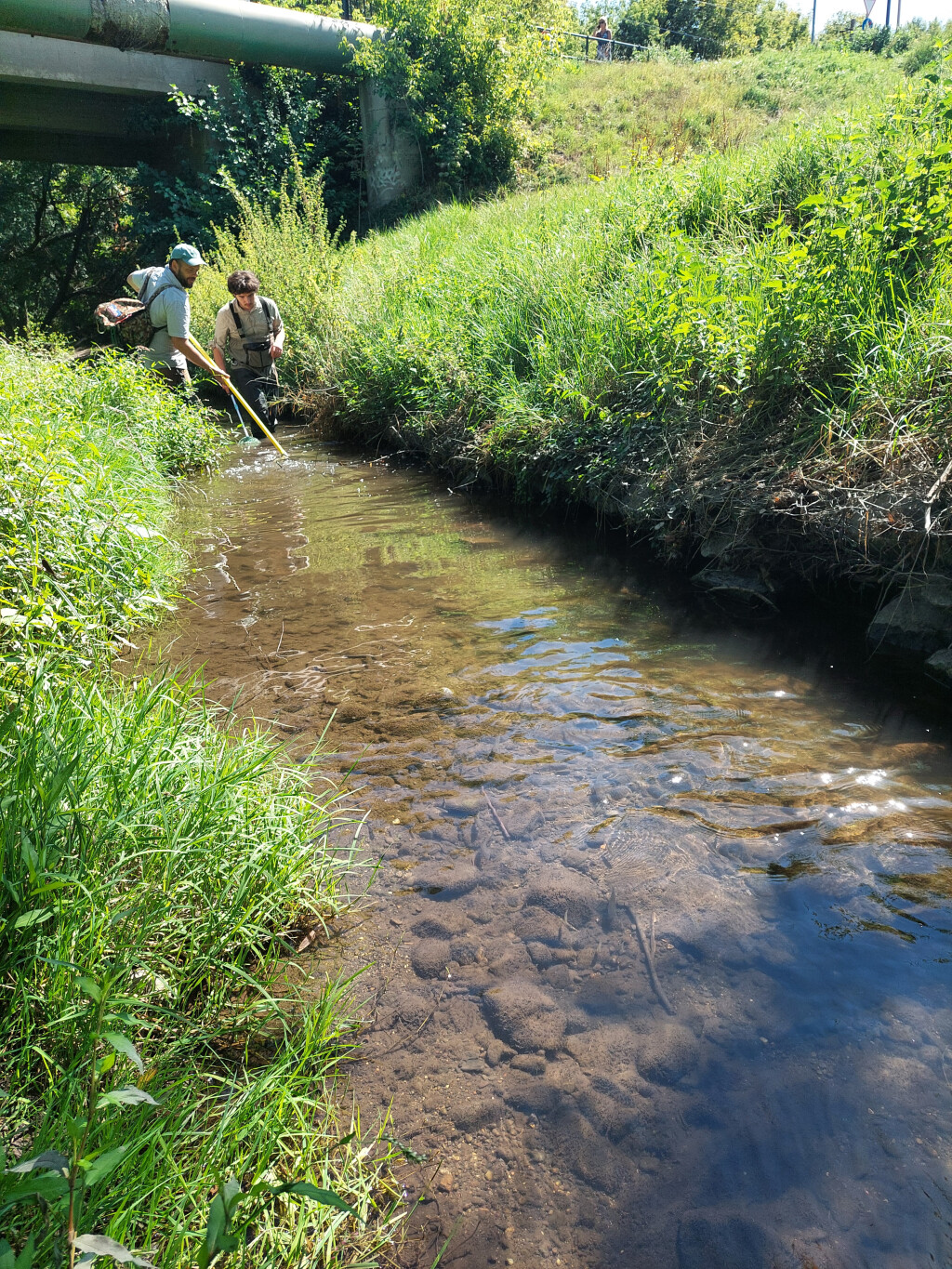
As part of the international DANUBElifelines project, researchers from the Hungary demo site, led by the Balaton Limnological Research Institute, have launched a study on small tributary mouths along the Danube. Working together with university students and experts from the Danube–Ipoly National Park, they aim to understand how young migratory fish — such as nase (Chondrostoma nasus), barbel (Barbus barbus), vimba (Vimba vimba), and cactus roach (Rutilus virgo) — use these small watercourses as feeding, nursery, and refuge habitats.
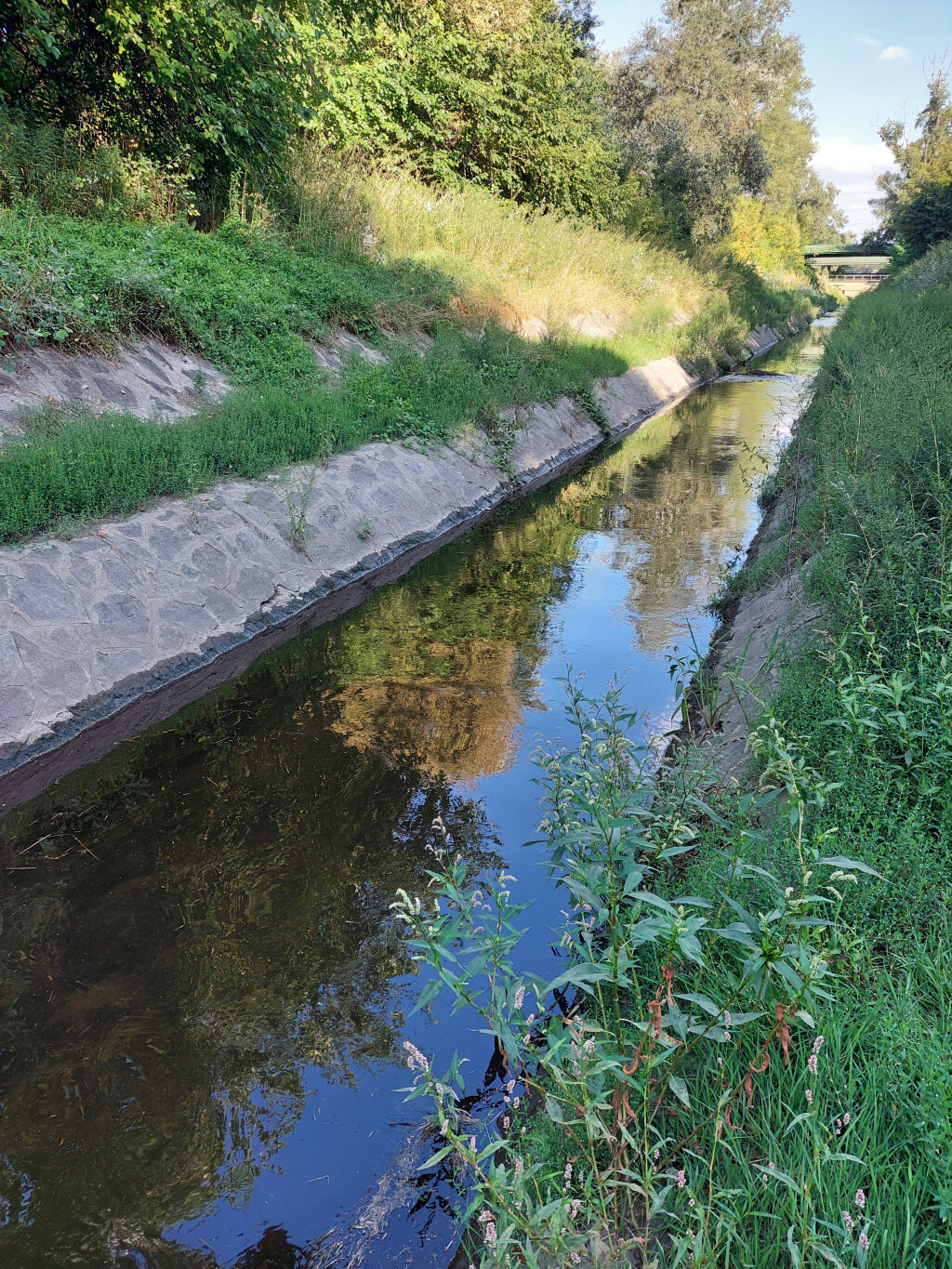
Interestingly, even urban and modified streams appear to offer ecological value when certain conditions are met — namely water depth, shading, and the presence of instream structures that create diverse flow conditions.
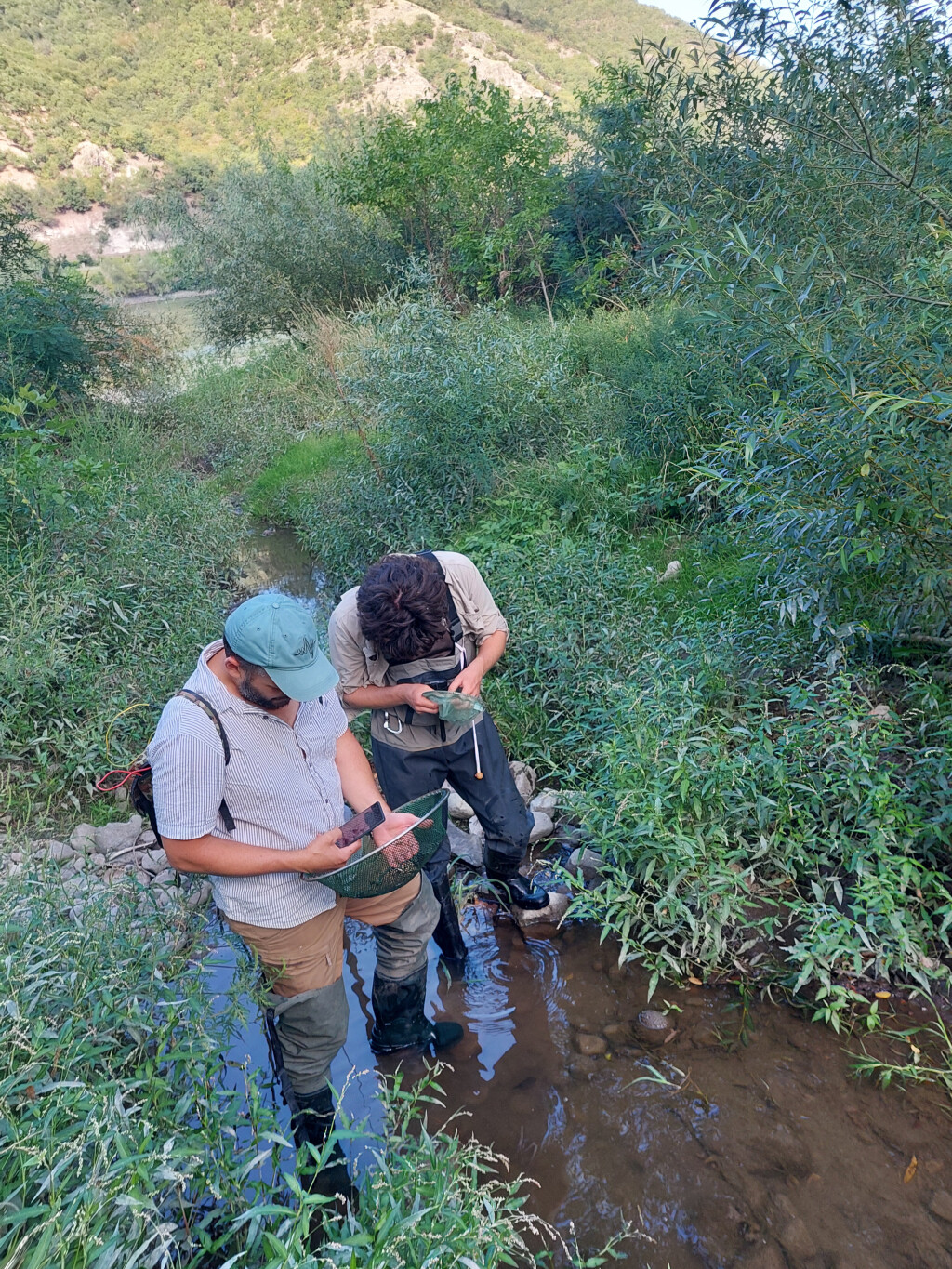
Preliminary findings also suggest that identifying juvenile species — such as the distinction between barbel and the protected Carpathian barbel (Barbus carpathicus) — can be challenging, especially in young individuals.
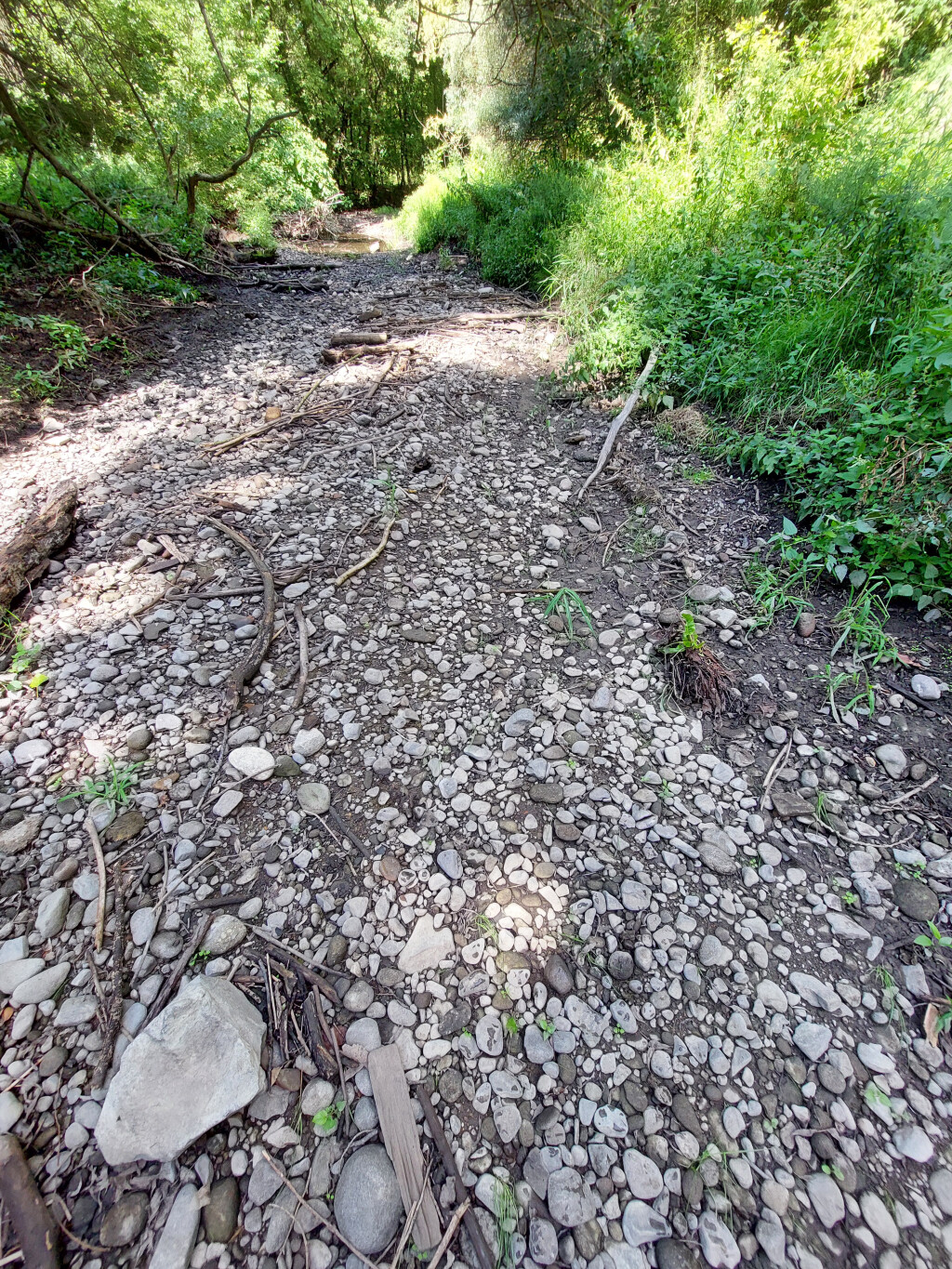
What’s more concerning, however, is the desiccation of stream mouths, which removes these critical habitats altogether. The research team hopes that the results of this study will help guide restoration efforts across the Danube Basin, ensuring that even small streams continue to support the next generations of migratory fish.
