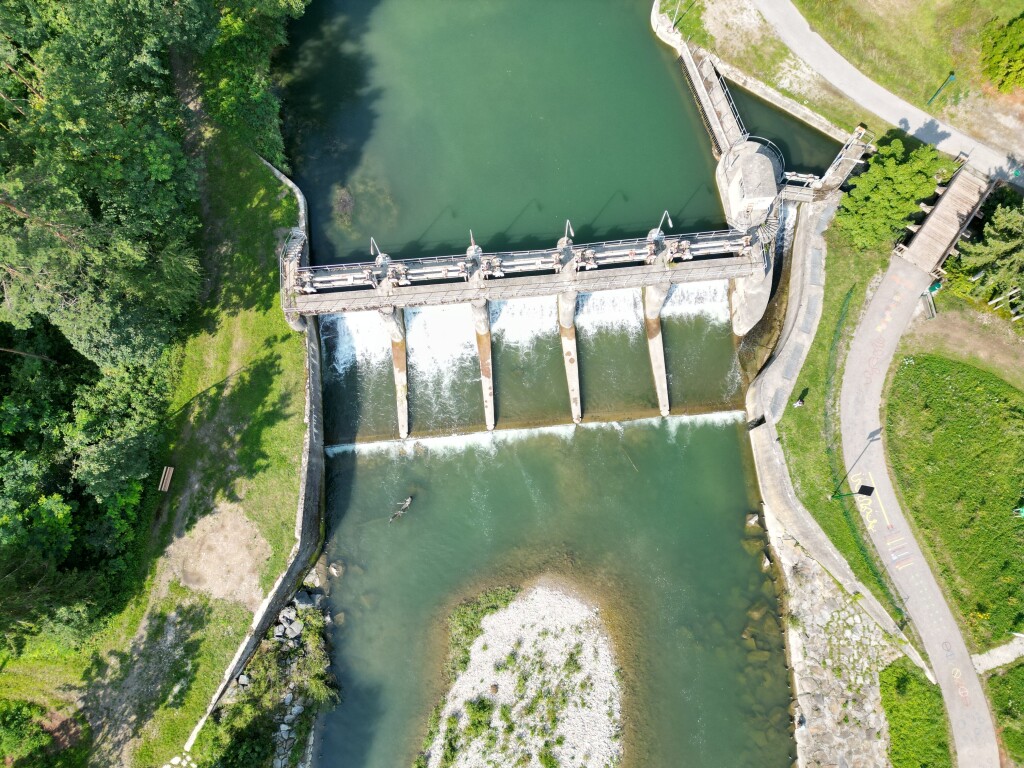
Rivers are the lifelines of our continent, serving as vital connectors for both aquatic and terrestrial biodiversity. Ideally, a river is a four-dimensional system with continuous longitudinal (headwaters to mouth), lateral (river to floodplain), vertical (surface to groundwater), and temporal connections. These pathways are essential for the transfer of matter and energy, gene exchange, and the migratory movements that keep ecosystems functional.
However, Europe’s rivers are currently facing a fragmentation crisis. Over one million barriers—including dams, weirs, and culverts—have severed these natural corridors. There are already more than 1 million of longitudinal barriers mapped in Europe, and this is just the tip of the iceberg as many more are still being mapped. This widespread fragmentation threatens the persistence of biodiversity and the essential ecosystem services that rivers provide to human society.
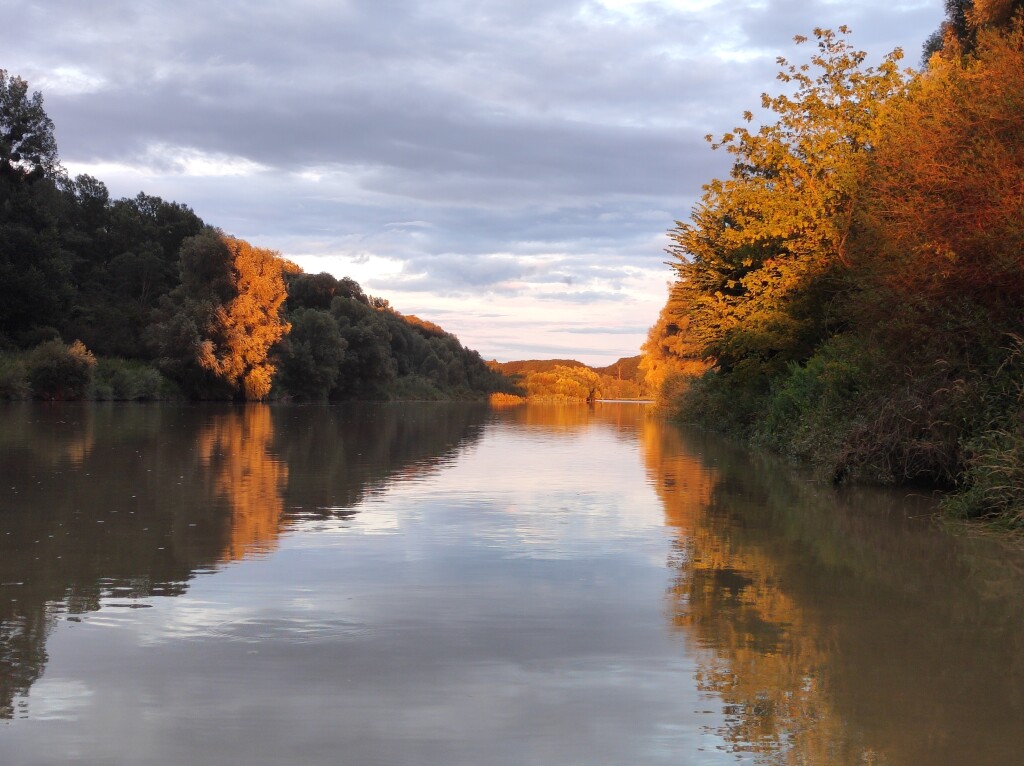
The Challenge: Big Goals, Scarce Resources
To address this degradation, the European Union has set ambitious targets, such as the EU Biodiversity Strategy for 2030 and the Nature Restoration Regulation, which aims to recover at least 25,000 km of free-flowing rivers. While the policy support is strong, the reality on the ground is complex. Restoration resources are limited, and the capacity to undertake massive barrier removals is constrained by both funding and technical logistics.
Furthermore, restoration efforts often collide with socio-economic interests. Many barriers, particularly large dams, serve strategic roles in water provisioning and energy production. Removing them can lead to significant conflicts with existing land and water uses. Because we cannot remove every barrier, some form of prioritisation is inevitable.
Moving Beyond "Opportunistic" Restoration
In the past, river restoration has often been "opportunistic"—decisions were based on ease of access, land ownership, or low-conflict areas rather than ecological priority. Unfortunately, this ad-hoc approach has often limited the overall effectiveness of conservation efforts.
This is where adequate spatial planning becomes critical. Instead of picking projects at random or opportunistically, strategic planning uses spatial optimisation tools to identify the specific river reaches that offer the highest ecological "bang for the buck". By integrating data on species distribution and barrier locations, planners can design a coherent network of river corridors that balances ecological functionality while minimising the cost of restoration or any other socio-economic impact (opportunity costs), bringing socio-economic feasibility into the decision-making process.
Conclusion: Planning for a Purposeful Future
Securing the future of Europe's free-flowing rivers requires more than just a desire to restore nature; it requires a roadmap. Defining clear objectives and constraints is critical to delivering solutions that are fit for purpose. By using spatial planning to identify priority areas for restoration, such as in DANUBElifelines, we can ensure that our limited restoration efforts are placed where they will best support the recovery of biodiversity and the long-term health of our freshwater ecosystems.