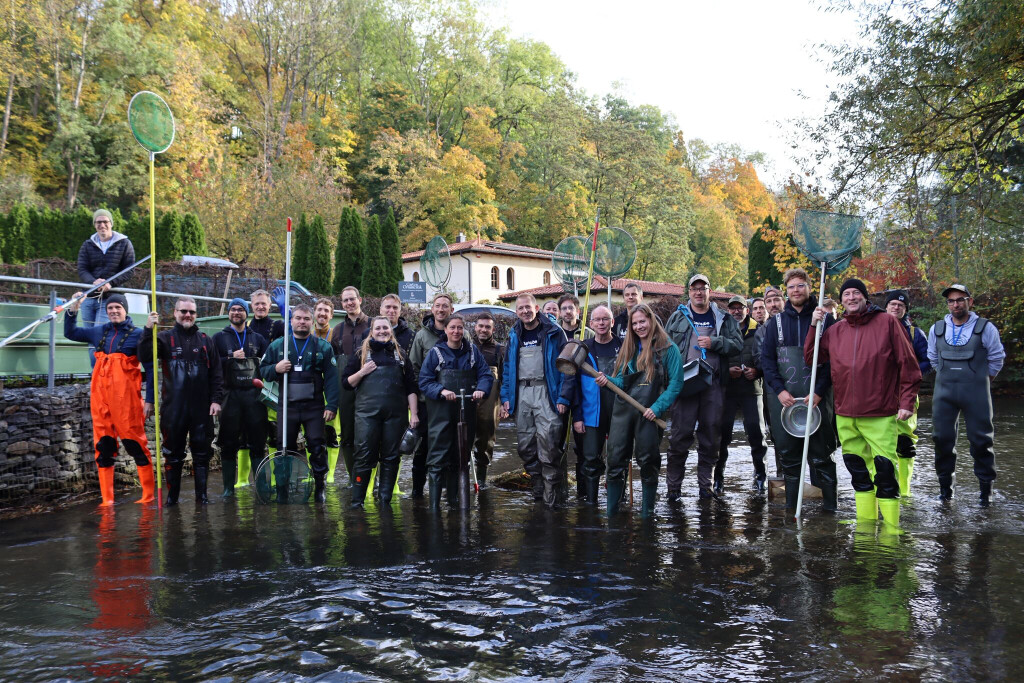
More than thirty colleagues from demo-site teams from across the Danube Basin gathered at the Aquatic Systems Biology Unit of the Technical University of Munich (TUM) in Freising late October this year. The workshop created space for exchange, joint learning, and stronger collaboration across all rivers represented in the DANUBElifelines project.
Day 1 – Connecting People and Ideas
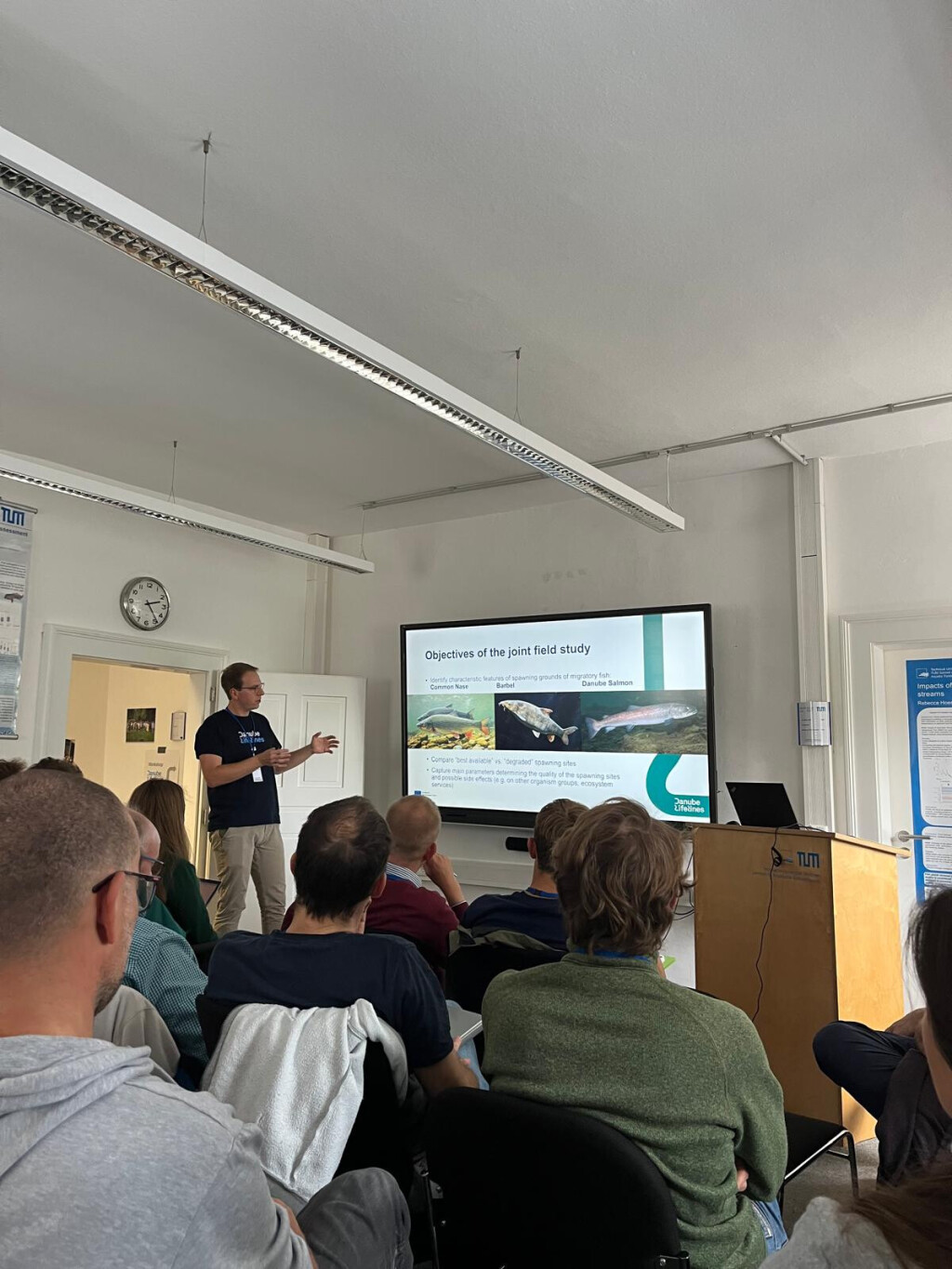
The workshop opened with a shared lunch that encouraged conversation and set a friendly, cooperative tone. Afterward, teams from each demo site introduced their river stretches, ongoing work, and the questions shaping their local research.
An open group discussion followed, where project partners refined shared research goals and explored how aligned methods can support basin-wide comparability. Short theoretical inputs on key variables rounded off the day’s formal programme. The evening continued informally, giving colleagues and collaborators time to get to know one another and build trust — essential when working together across countries and river systems.
Day 2 – Learning by Doing
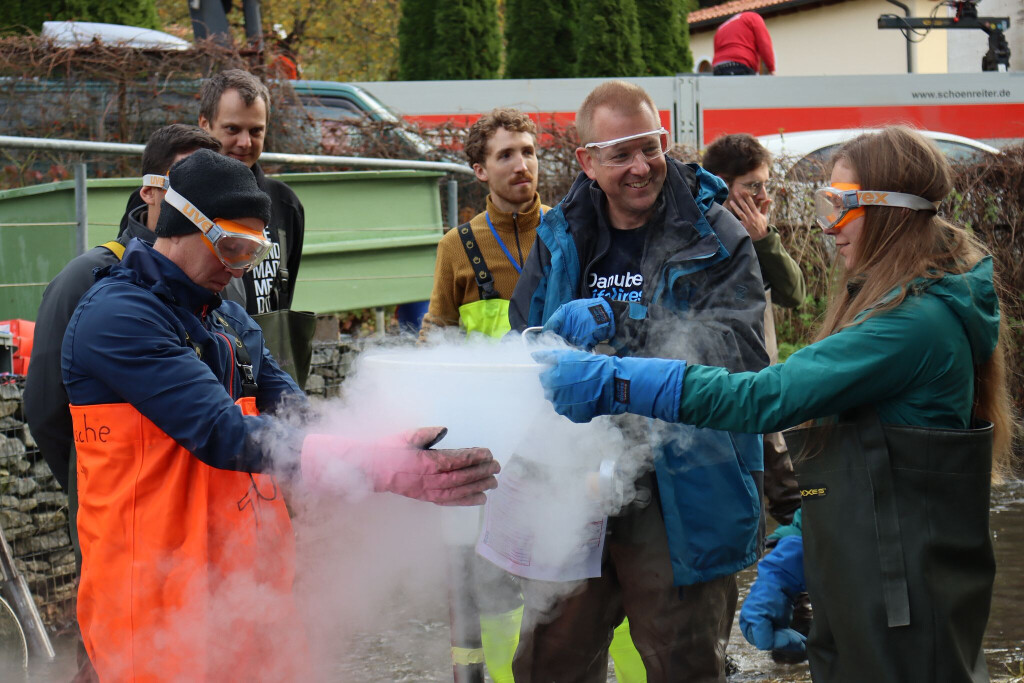
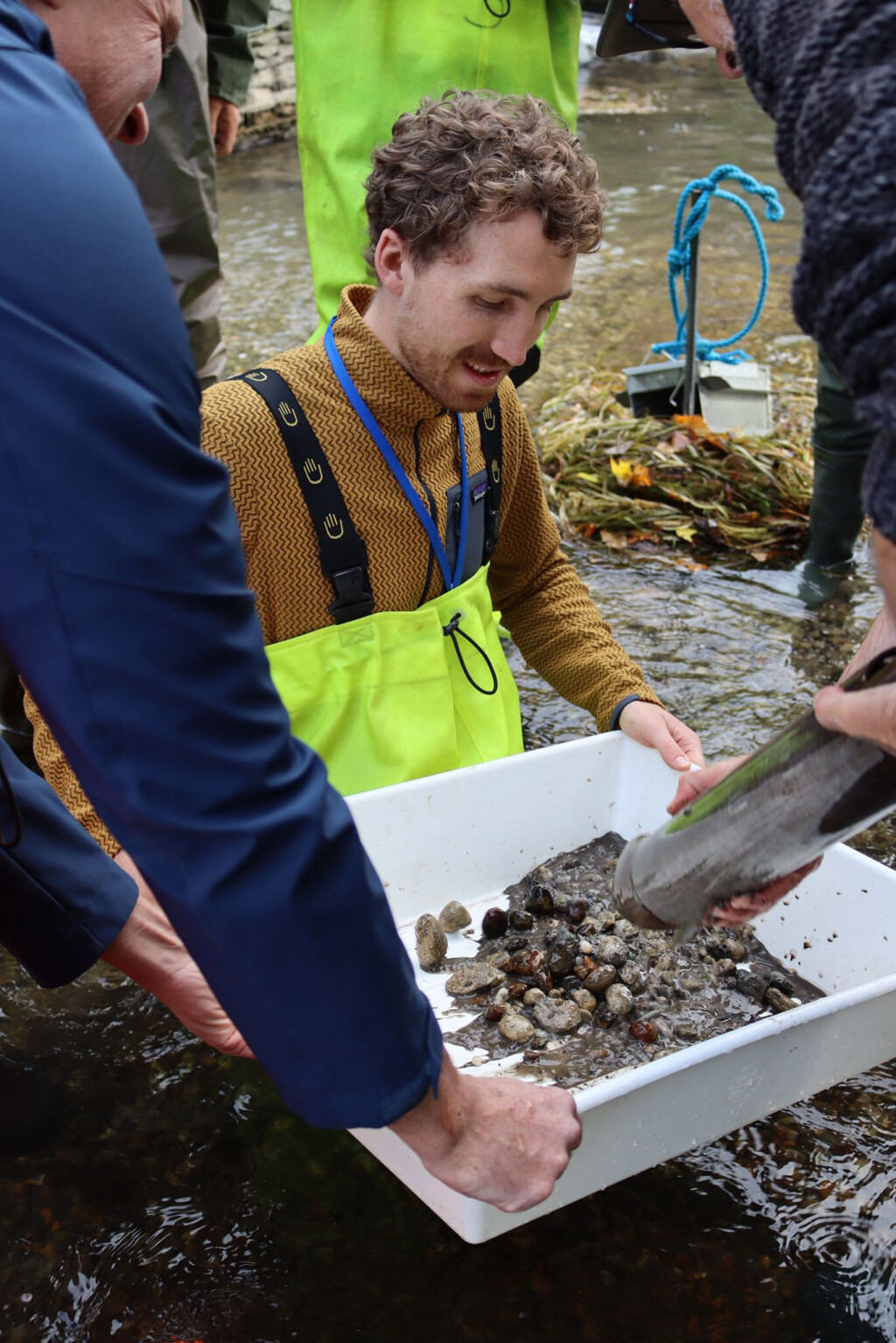
The second day focused on hands-on experience. DLL teams rotated through practical sessions on abiotic measurements, macrozoobenthos sampling, sediment techniques, and drone-based habitat mapping. The atmosphere was collaborative, with partners exchanging field tips, comparing methods from their home rivers, and helping each other refine sampling approaches.
Later in the afternoon, the River Inn team presented their work on fish tagging and tracking, sparking a broader discussion on how movement data can be integrated into restoration planning. The day ended with an informal outdoor gathering, offering space for local teams to continue exchanging ideas and strengthening relationships that will support them during the coordinated fieldwork ahead.
Day 3 – Seeing Restoration in Practice
The final day brought the workshop into the field. Demo-site teams visited several restoration locations along the River Inn, including regenerated gravel spawning grounds, revitalised backwaters, and large nature-like fishways. Seeing these places firsthand helped link the methodological discussions from earlier days with concrete improvements in river habitats.
A project manager from VERBUND - an important partner in hydropower and river restoration work in the Upper Danube catchment - joined the excursion and offered insights into long-term strategies, investment needs, and the practical challenges of implementing restoration measures on a large scale. The group also explored the telemetry monitoring infrastructure used to assess fish movement and evaluate the effectiveness of restoration actions.
After a final lunch together, partners and colleagues returned to their demo sites. They left with a stronger shared methodology, new cross-border connections, and a clear sense of working collectively toward one goal: restoring and reconnecting rivers across the Danube Basin. The workshop strengthened not only technical alignment, but also the community that will carry out a coordinated basin-wide field survey in 2026.