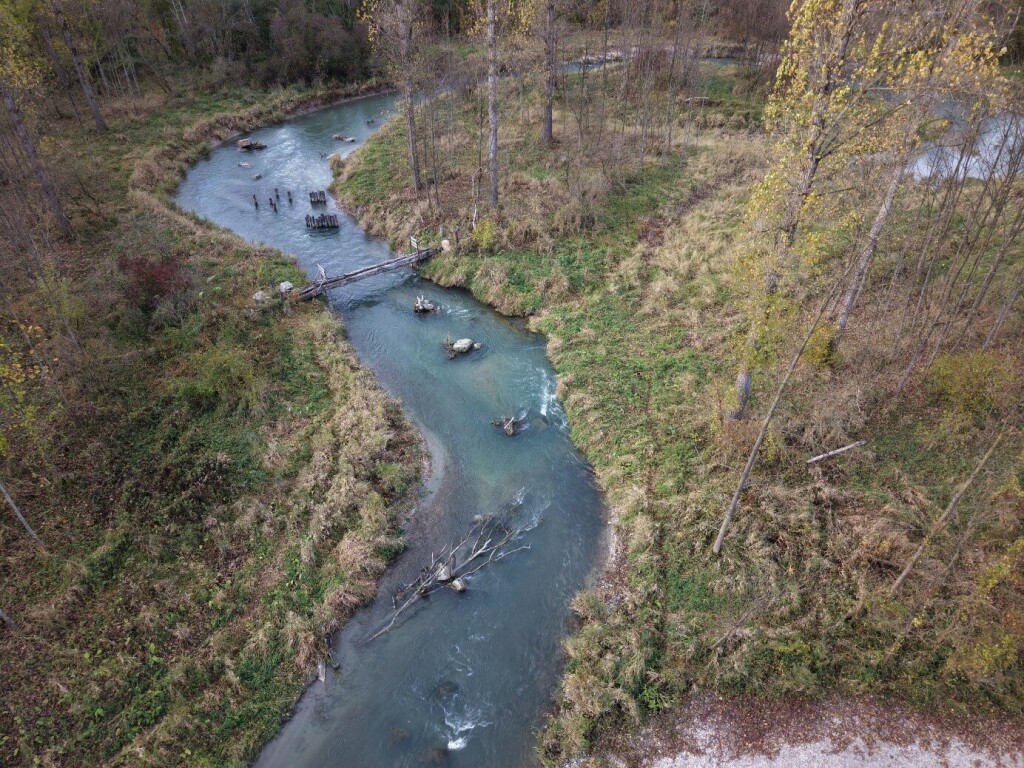
Across Europe's heavily modified rivers, restoring connectivity is one of the main goals of restoration work, and fishways are a common way to do it. Nature-like fishways go a step further: as well as reconnecting a river across weirs and hydropower dams, their design can create extra habitat for the fish and other species that live there.
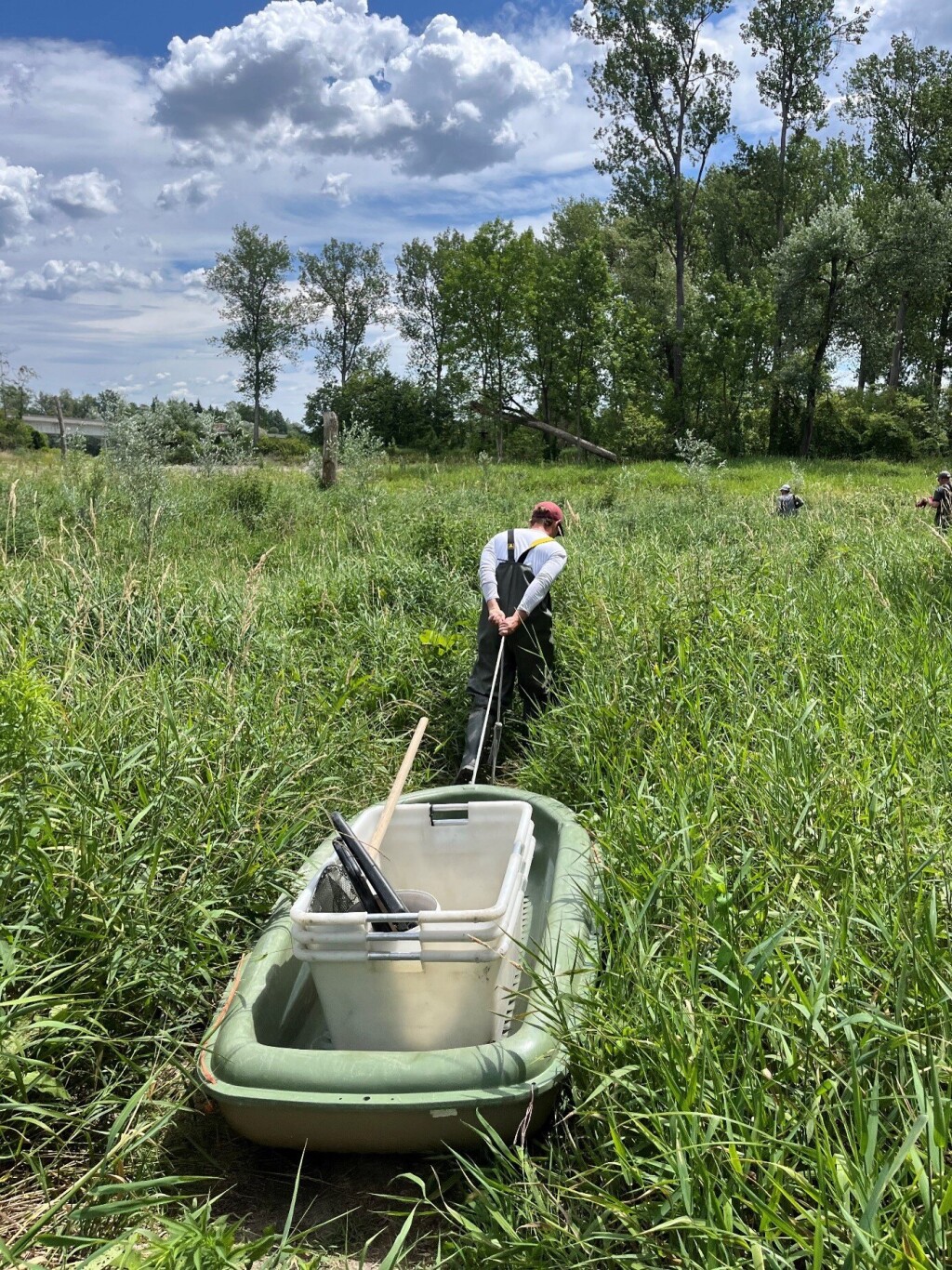
The River Inn, a large alpine tributary in the Upper Danube catchment, is demo site of the Horizon Europe DANUBElifelines project. There, the Aquatic Systems Biology Unit at TUM has been testing how well two large nature-like fishways work, both as habitat and as migration routes for the river's characteristic fish.
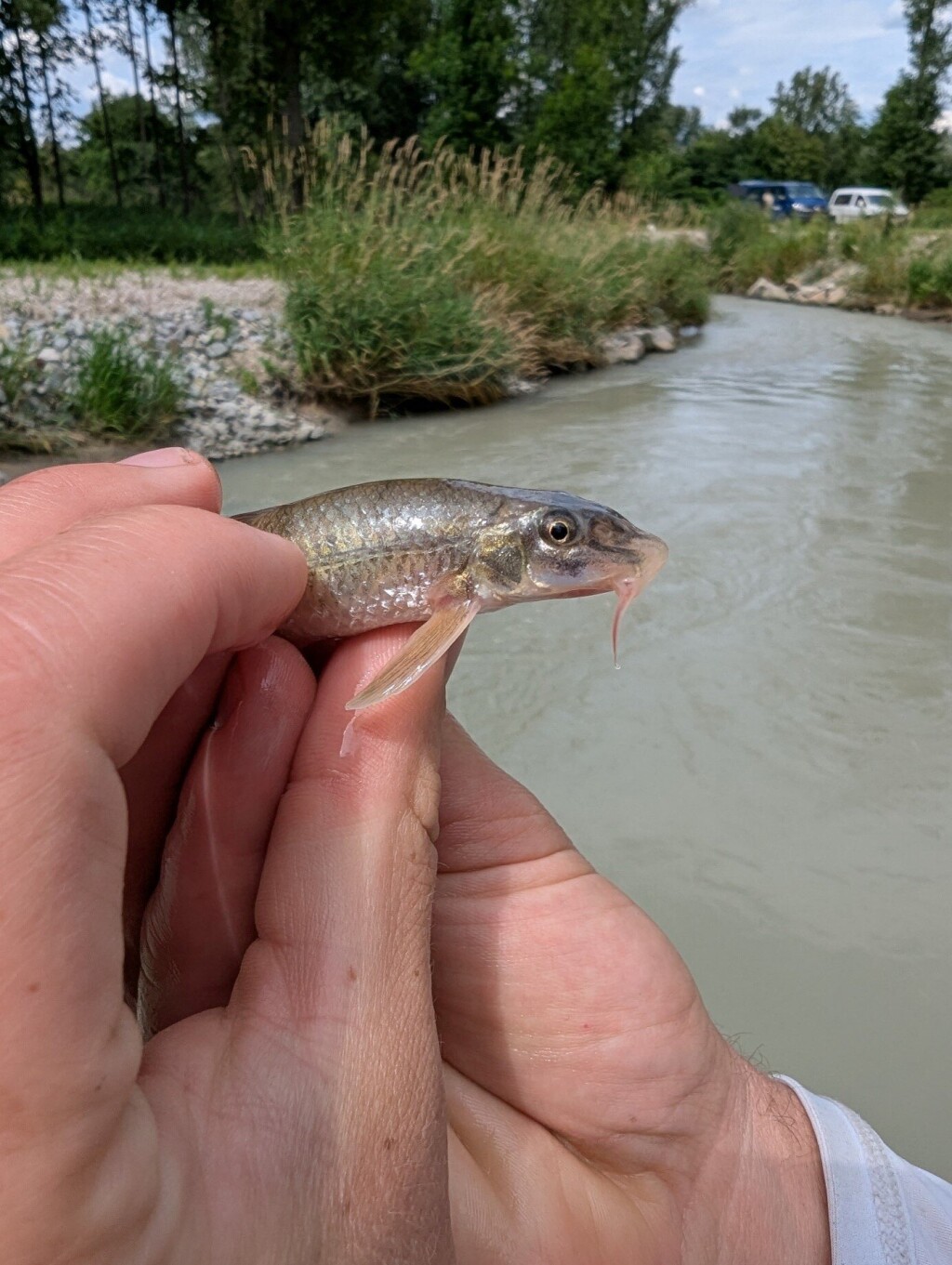
The findings are notable. Alongside high numbers of the three target species, common barbel (Barbus barbus), common nase (Chondrostoma nasus) and European grayling (Thymallus thymallus), the team recorded several individuals of the Danubian longbarbel gudgeon (Romanogobio uranoscopus) in both fishways. This fish had been considered locally extinct in the River Inn for more than a century. It was rediscovered only a few years ago, in a single nature-like fishway. Finding it again in both assessed fishways is a strong sign these habitats help conserve the river's native fish community.
The goal isn't just to check whether these fishways offer good habitat, but whether fish really move through them. Fixed and mobile PIT antennas track tagged fish along the way, tying habitat use to connectivity in this part of the Danube catchment.