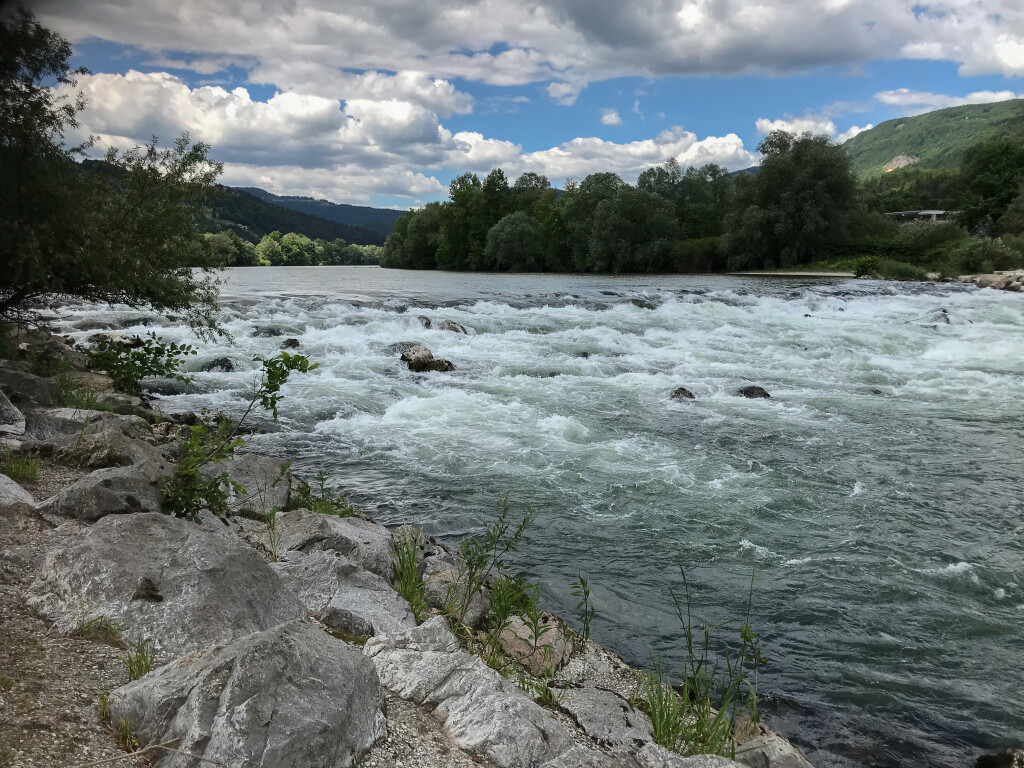
The Danube salmon or huchen (Hucho hucho)
is one of the largest members of the salmonid family (Salmonidae). The Danube salmon is an endemic and flagship species of the Danube River basin. As a result of significant population declines, the species is listed as Vulnerable (VU) according to IUCN criteria (IUCN Red List, 2024).
Its charisma is not based solely on appearance or specific behavior, it primarily stems from its size and strength. Adults can grow up to 140 cm in length and weigh up to 30 kg, with a lifespan that can exceed 15 years. It is a predatory fish: adults primarily feed on other fish, while juveniles feed on aquatic invertebrates and fish larvae.
Danube salmon spawn in pairs in small tributaries, where females dig spawning pits in gravel beds to deposit their eggs. Juveniles initially remain in these smaller streams but later migrate to larger rivers. The species is territorial and inhabits large pre-Alpine and lowland rivers of the Balkan Peninsula. It is considered a medium-range migratory species.
Over 1,800 kilometers of rivers with self-sustaining populations have been identified in the Balkans, representing 65% of the species’ total distribution range. Key rivers include the Drina, Kolpa, Lim, Sava, Tara and Una.
The greatest threat to the Danube salmon is habitat loss, resulting from both river fragmentation caused by hydropower development and river regulation. In some areas, poaching remains a significant issue, as the species is highly prized in sport fishing. In the past, polluted waters also severely impacted its populations.
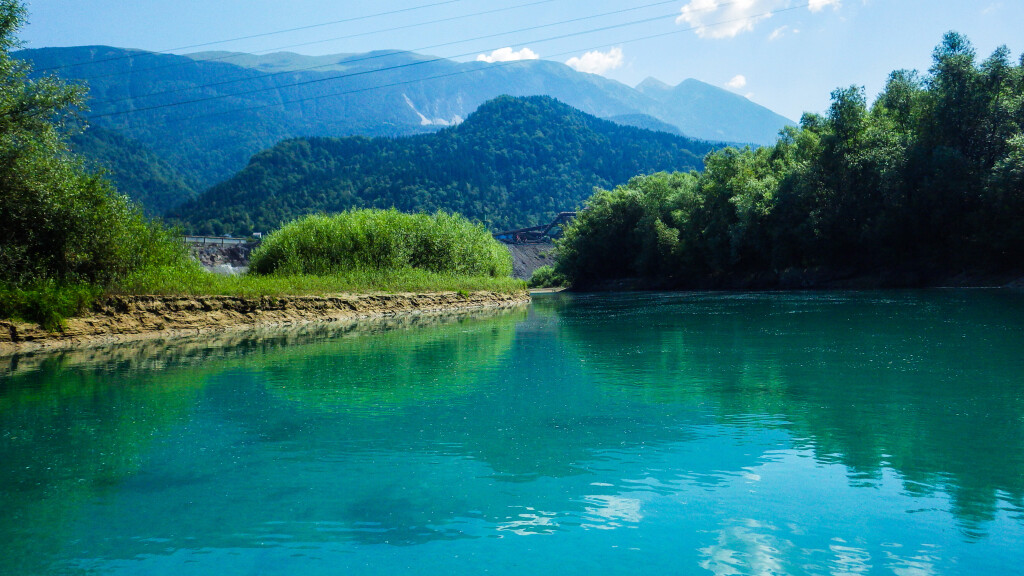
Despite various conservation programs,planned and ongoing hydropower projects, all over the Balkan peninsula, represent a serious threat. Some dams are already under construction, while many more are proposed. Their implementation would furtherisolate populationsand destroy its habitat and could bring this species to extinction.