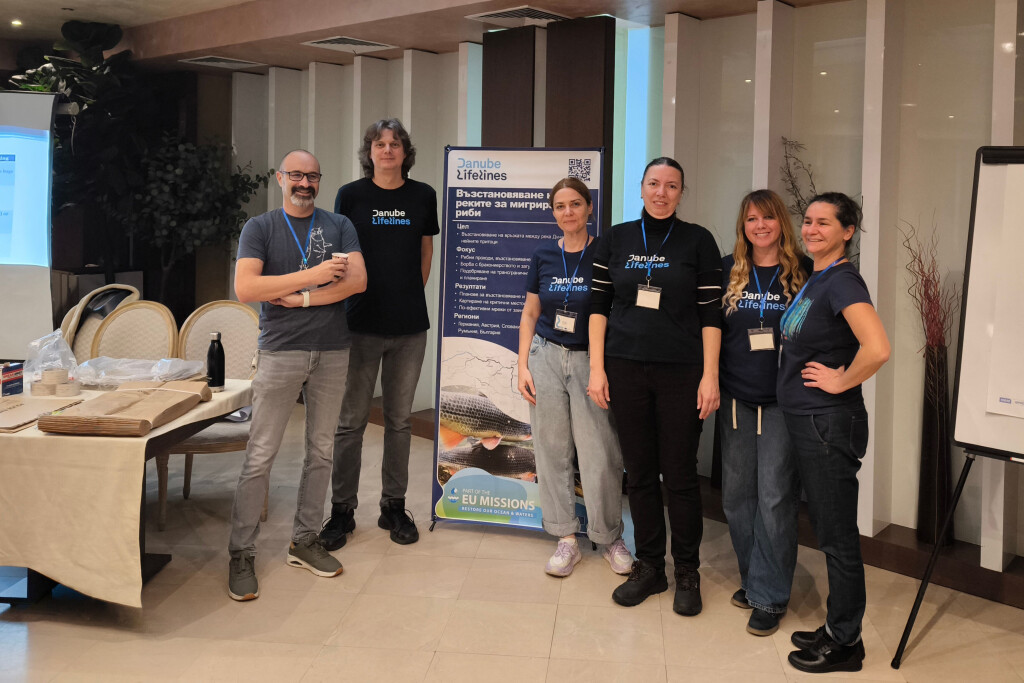
Protecting Danube sturgeons requires more than preventing poaching. It also depends on the ability of authorities to investigate wildlife crime effectively and collect evidence that can be used in court. This was a key message of a two-day workshop organised by WWF-Romania and WWF-Bulgaria in Ruse, Bulgaria, as part of the DANUBElifelines project. The event brought together experts and representatives of relevant authorities from Romania and Bulgaria to strengthen practical skills and encourage cross-border cooperation in tackling wildlife crime.
The first day focused on sturgeon species identification, documented cases of poaching and illegal trade in the Lower Danube, and the exchange of experience in addressing these threats. Discussions highlighted the importance of cooperation between law enforcement authorities and scientific experts, whose knowledge can play a crucial role in wildlife crime investigations.
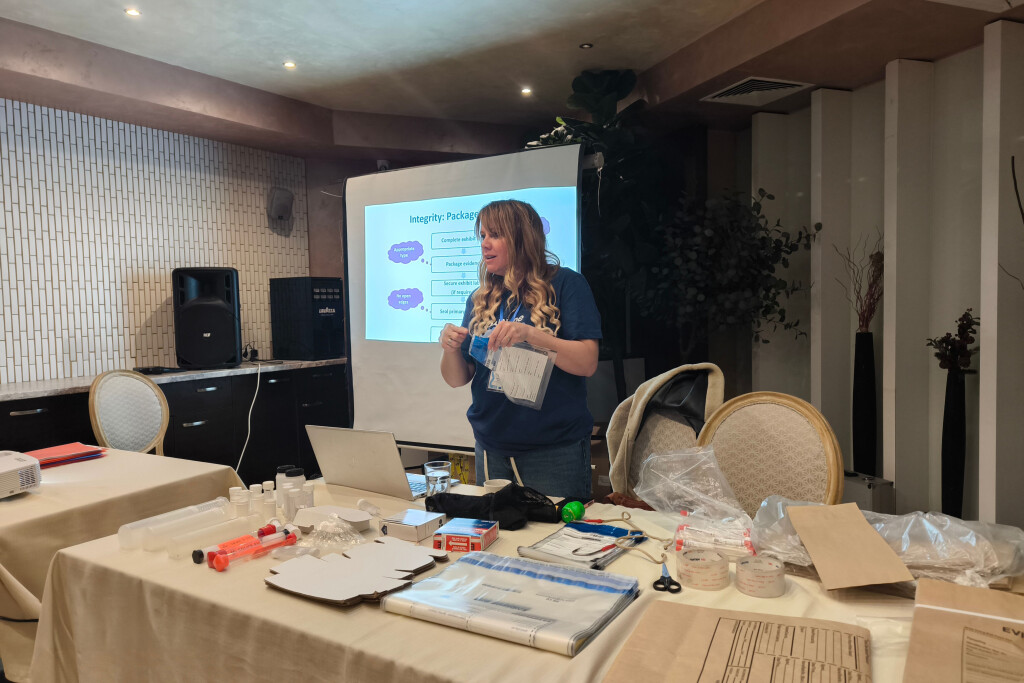
From Crime Scenes to Courtroom Evidence
A key part of the workshop was the training led by Professor Claire Gwinnett, PhD - a forensic science expert, who explored how forensic techniques traditionally used in criminal investigations can be applied to wildlife crime cases.
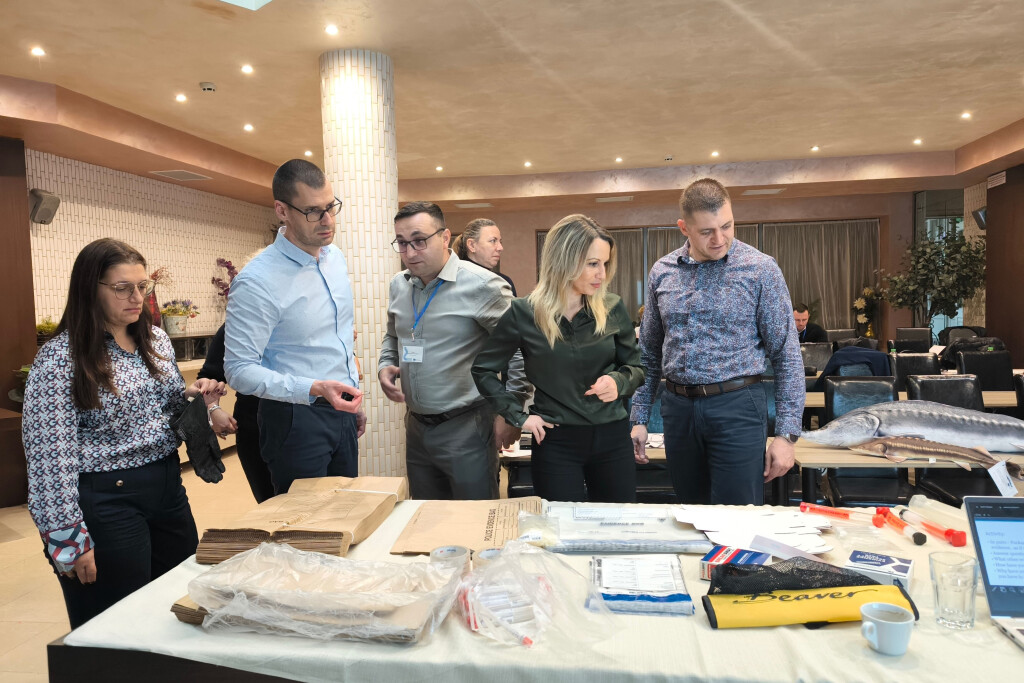
Participants learned about the essential steps involved in examining a crime scene, from securing the area and identifying potential evidence to documenting, collecting, and packaging it correctly. Particular emphasis was placed on maintaining the integrity of evidence throughout the process, from its discovery in the field to laboratory analysis and its potential use in court.
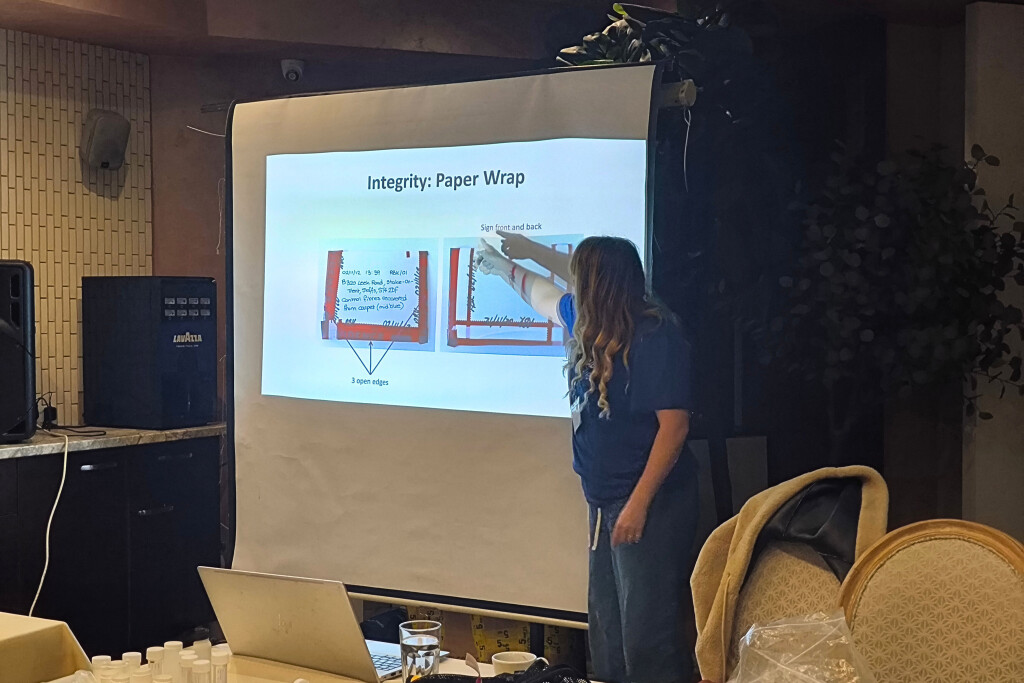
The training also addressed the risks of contamination and degradation, highlighting how improper handling or documentation can compromise evidence and weaken an investigation.
These principles were put into practice through hands-on exercises in evidence collection and packaging, followed by a simulated crime scene investigation. Participants practiced identifying potential evidence, collecting and packing it, and documenting their findings.
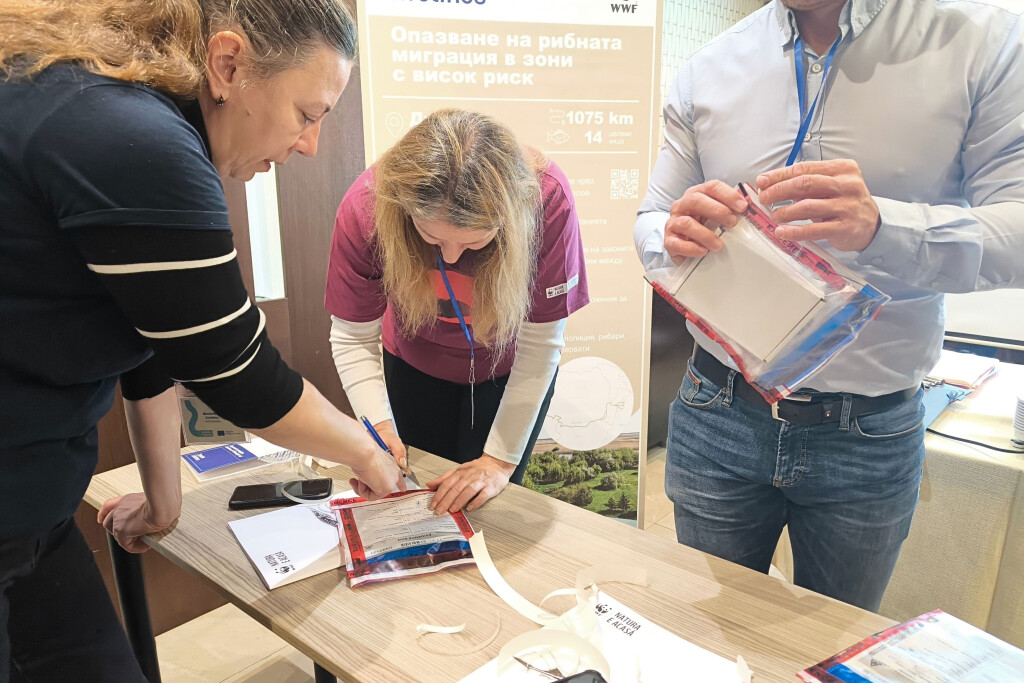
Cross-Border Cooperation Is Essential to Protecting Danube Sturgeons
Sturgeon poaching and illegal trade are threats that extend beyond national borders. Addressing them effectively requires not only strong enforcement at the local level, but also information sharing, consistent procedures, and cooperation between authorities and experts across the Danube region.
The scale of the problem is illustrated by WWF's report, In the Net of Poachers: Ten Years of Documented Wildlife Crime Targeting Sturgeons in the Lower Danube Region (2016–2025), published in July 2026. Drawing on a decade of documented poaching and illegal trade cases, the report records at least 3,366 sturgeons, more than 6.5 tonnes of sturgeon meat and whole fish, and 263 kilograms of caviar. These findings underline the importance of combining conservation measures with effective law enforcement and stronger investigative capacities.
The workshop in Ruse provided an opportunity for participants from Romania and Bulgaria to share experiences, discuss common challenges, and strengthen professional connections. By bringing together scientific expertise, practical forensic training, and cross-border dialogue, the event contributed to building the skills and cooperation needed to tackle wildlife crime and better protect sturgeons in the Lower Danube.
