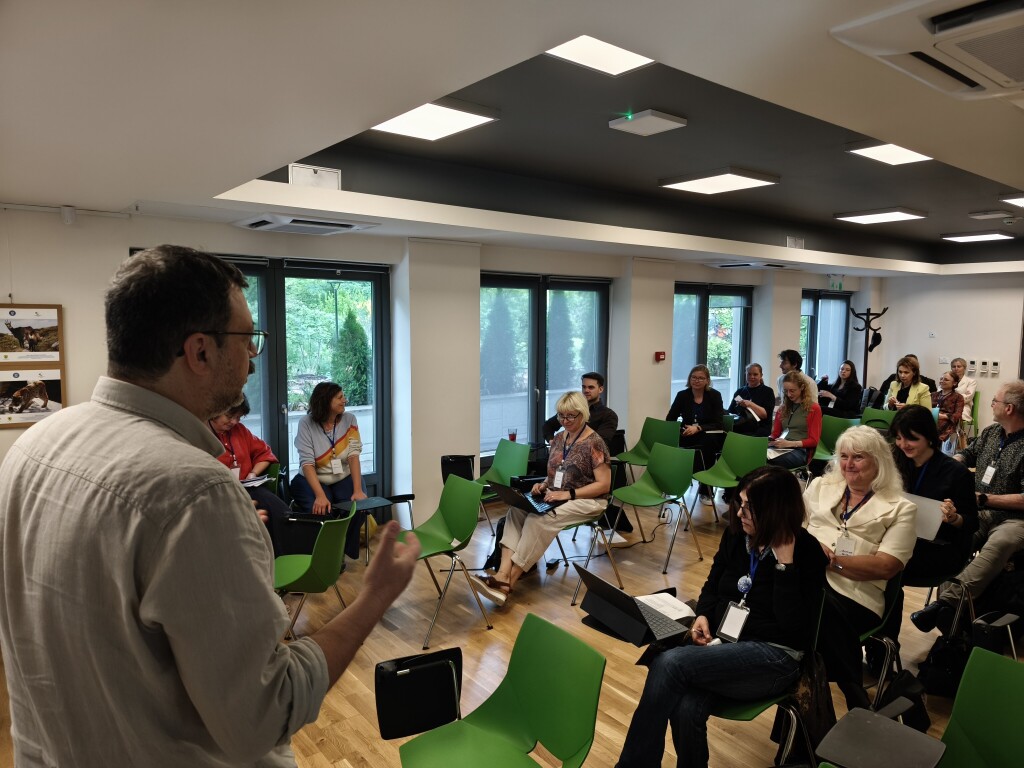
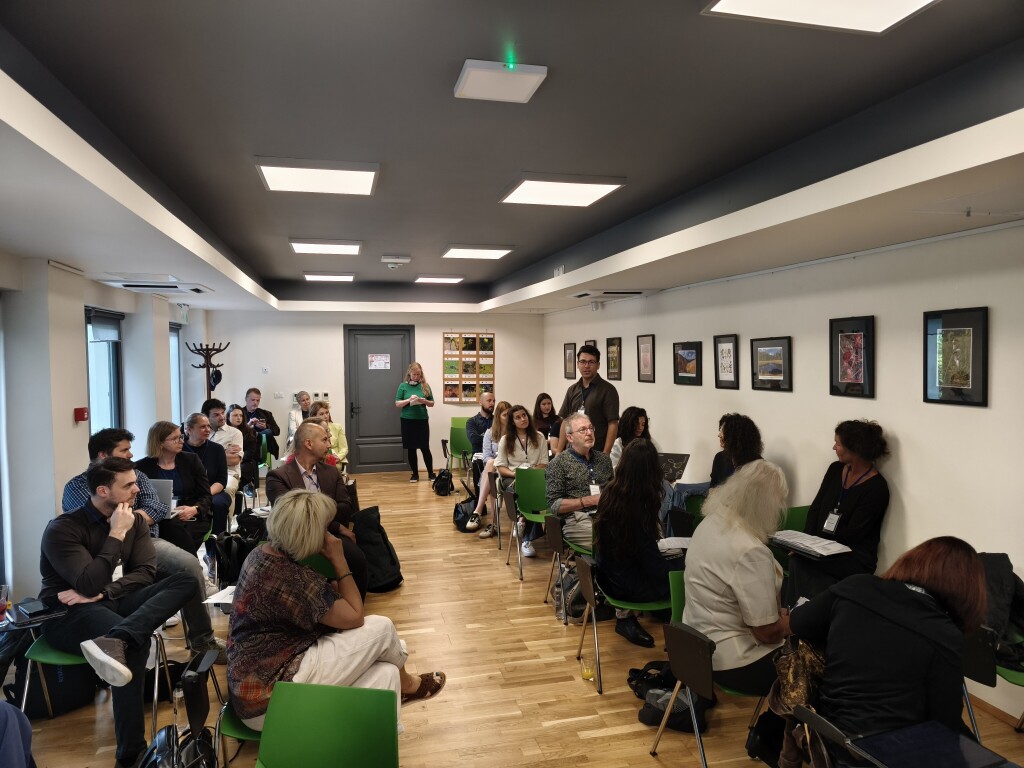
Representatives of the DANUBElifelines (DLL) project recently participated in the second Science-Policy Interface (SPI) Dialogue Workshop organised by the BioAgora project in Bucharest, Romania. Bringing together policymakers, scientists, practitioners, and civil society organisations, the event provided an important platform for discussing the implementation of the EU Nature Restoration Regulation (NRR) and strengthening the links between science, policy, and practice.
Held on 2–3 June 2026 at the Botanical Garden in Bucharest, the workshop focused on supporting Member States in the development and implementation of National Restoration Plans under the Nature Restoration Regulation. Discussions addressed implementation gaps, administrative challenges, practical needs, and opportunities for coordination and mutual learning across countries and sectors.
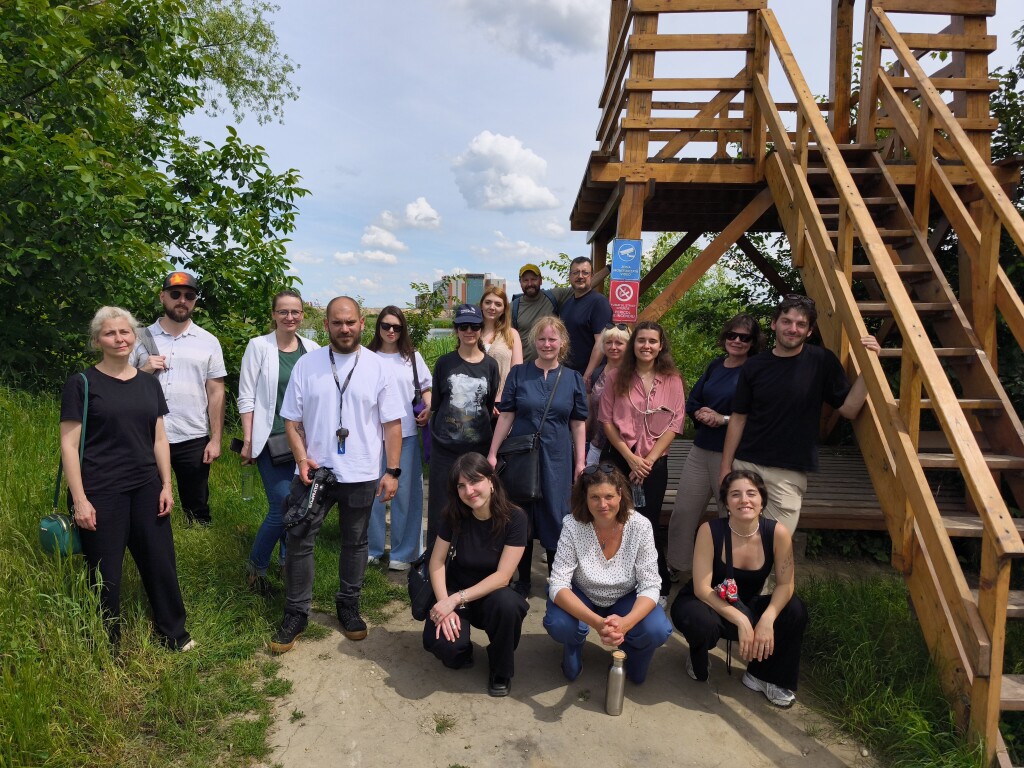
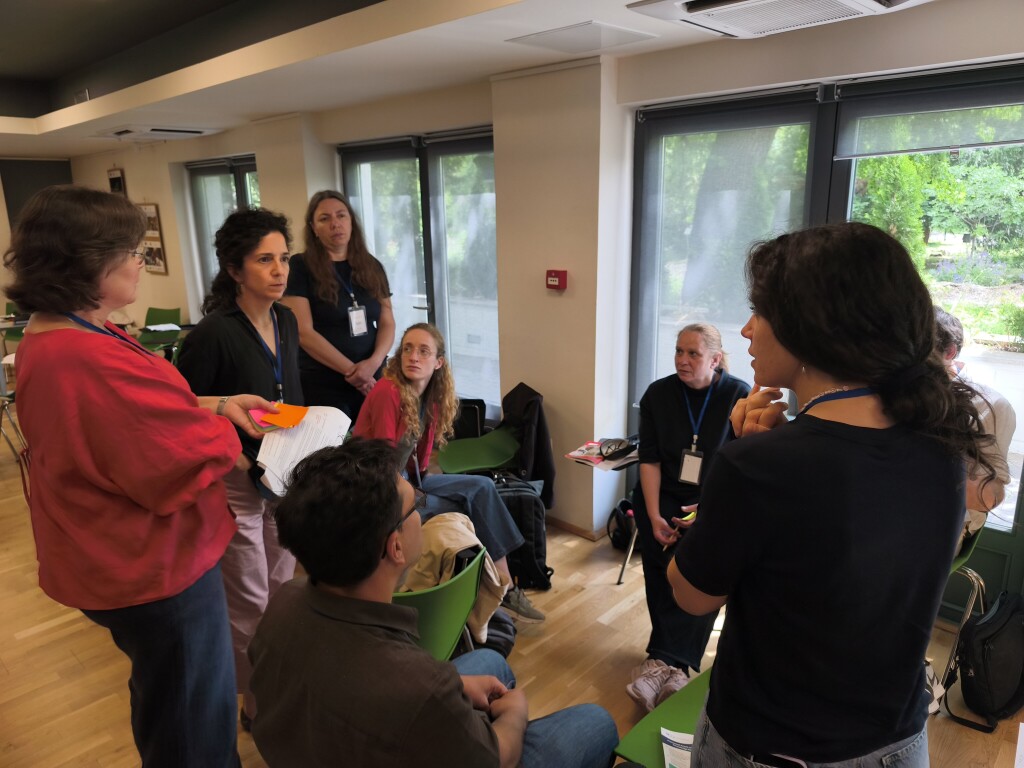
The event featured keynote presentations from representatives of the European Environment Agency (EEA), DG env, national authorities, and the NRR expert group. Topics ranged from NRR assessment processes and reporting requirements to the links between nature restoration, water management, and climate adaptation. Interactive formats such as world cafés, fishbowl discussions, and collaborative exercises encouraged participants to exchange experiences and jointly explore solutions to restoration challenges.
DANUBElifelines was represented by partners involved in Work Package 4 (Stakeholder Interactions) and Work Package 5 (Business Models). The participation reflected the project's strong commitment to stakeholder interaction and to strengthening the science-policy-practice interface across the Danube River Basin.
The workshop's emphasis on cross-sectoral dialogue closely aligns with the objectives of DANUBElifelines. Successful restoration of free-flowing rivers and floodplain ecosystems requires not only robust scientific knowledge but also effective collaboration among policymakers, practitioners, local communities, and other stakeholders. The discussions highlighted the importance of creating spaces where these different perspectives can meet, exchange knowledge, and jointly develop practical solutions for implementing restoration measures.
Particularly relevant for DANUBElifelines were the conversations on governance, stakeholder involvement, monitoring, and the practical implementation of restoration actions at national and regional levels. Participants emphasized the need for stronger coordination across sectors and governance levels, as well as improved mechanisms for translating scientific evidence into policy decisions and on-the-ground action. These themes are central to the project's efforts to reconnect habitats, improve river continuity, and support biodiversity recovery throughout the Danube region.
The workshop also showcased BioAgora's vision for the future European Science Service for Biodiversity, an initiative designed to strengthen evidence-based biodiversity governance across Europe. The dialogue demonstrated how collaborative platforms can help bridge knowledge gaps and support more effective implementation of European environmental policies.
Participation in events such as the BioAgora SPI Dialogue Workshop enables DANUBElifelines to exchange experiences with a wider European community of practice and to contribute its expertise on river restoration, stakeholder engagement, and transnational cooperation. The insights gained will support ongoing project activities and help ensure that restoration efforts in the Danube Basin benefit from the latest developments in science-policy collaboration.
As Europe moves forward with the implementation of the Nature Restoration Regulation, initiatives such as BioAgora and DANUBElifelines demonstrate the value of bringing together diverse actors to build shared understanding, foster innovation, and accelerate action for healthier and more resilient river ecosystems.