Celebrating five years of the Mura–Drava–Danube Biosphere Reserve through river restoration, education and the return of the sterlet.
What does it take to bring life back to a river?
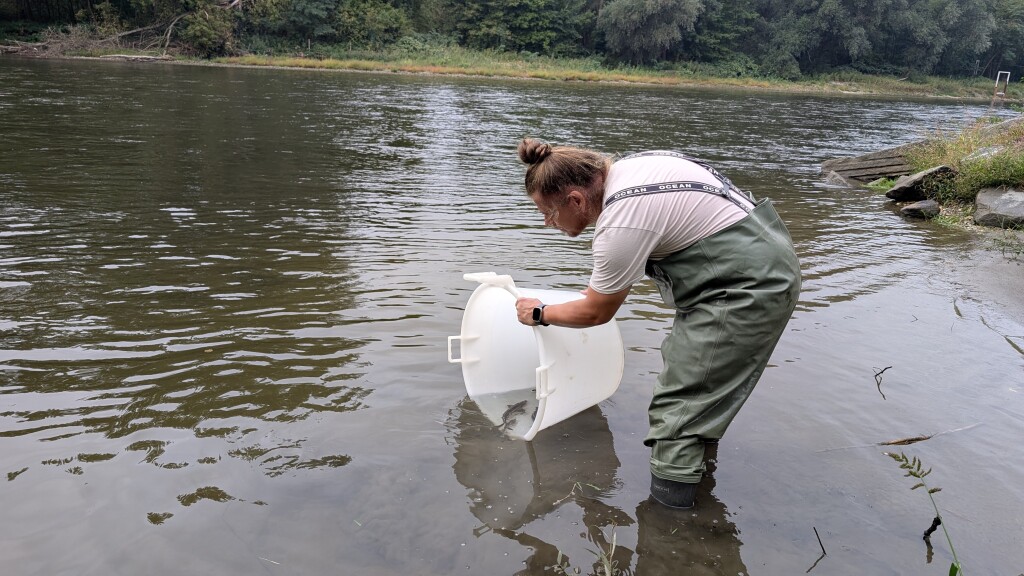
Sometimes it means giving the river more space. Sometimes it means restoring floodplain forests or reconnecting habitats. And sometimes it means standing on the riverbank with a young sterlet in your hands, moments before it disappears into the current.
On 14 September 2026, these different sides of river restoration came together on the banks of the Mura in Slovenia during Mura Biosphere Reserve Day, marking five years of the UNESCO five-country Mura–Drava–Danube Biosphere Reserve.
At Otok ljubezni – the “Island of Love” in Ižakovci – schoolchildren, conservation organisations, river managers, local communities, journalists and visitors gathered around one shared river. And at the centre of the day was one of the Danube basin’s most ancient inhabitants: the sterlet (Acipenser ruthenus).
Different projects, one shared river
For us at REVIVO, the day was a good example of what project synergies can look like in practice: different projects working on different pieces of the same river story.
The event was organised by the Institute of the Republic of Slovenia for Nature Conservation within LIFE RESTORE for MDD, together with REVIVO through LIFE-Boat4Sturgeon. LIFE RESTORE for MDD restores river and floodplain habitats, while LIFE-Boat4Sturgeon works to safeguard the remaining sturgeon species of the Danube basin.
DANUBElifelines adds another piece: restoring river connectivity and ecological processes for migratory fish. The link is simple – bringing fish back only works if they also have healthy, connected rivers to live in.
The morning belonged to the next generation
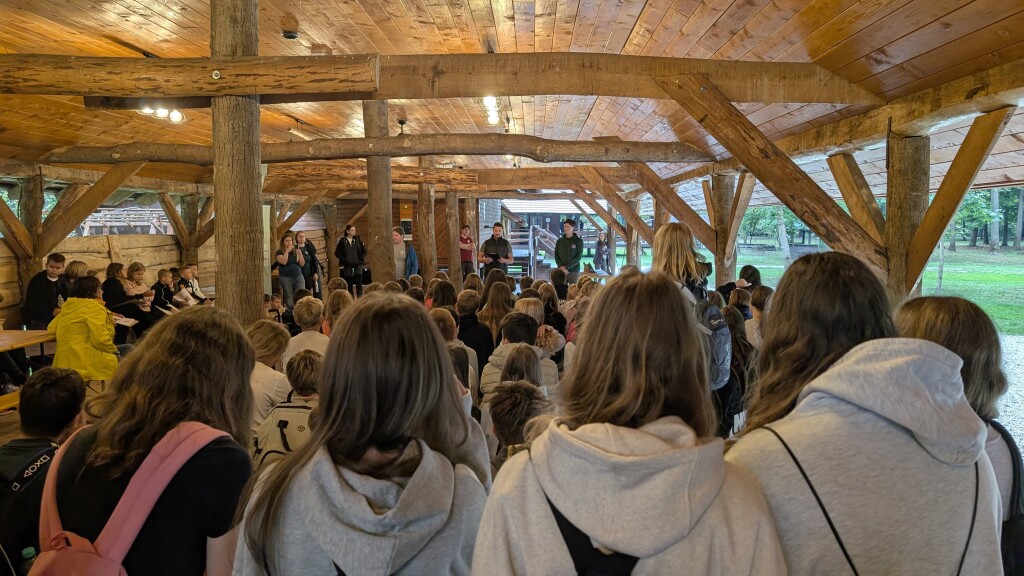
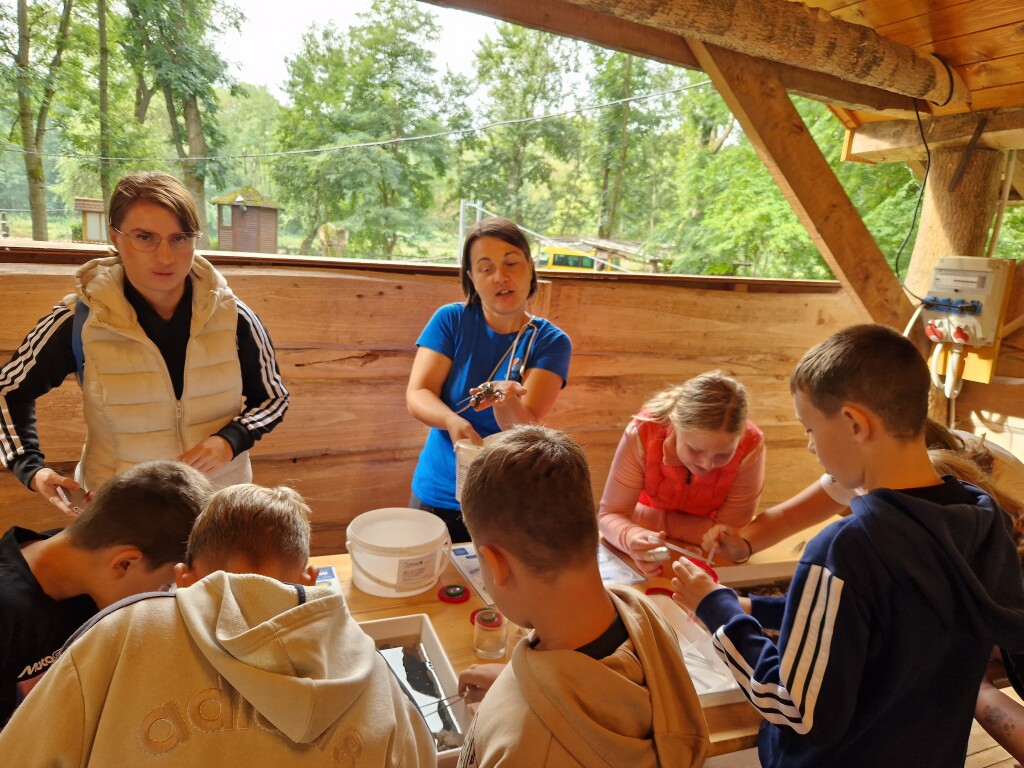
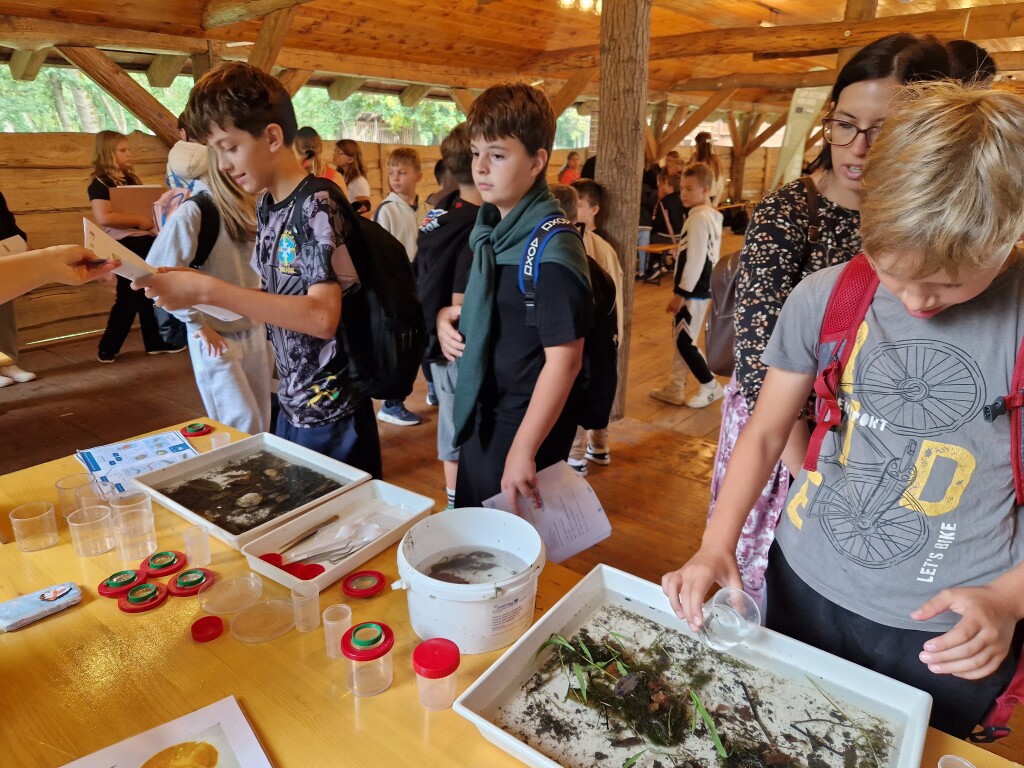
Around 160 fifth-grade pupils, supported by 15 educators and experts, started the day outdoors, exploring the river, floodplain forests, plants, fish, birds and butterflies.
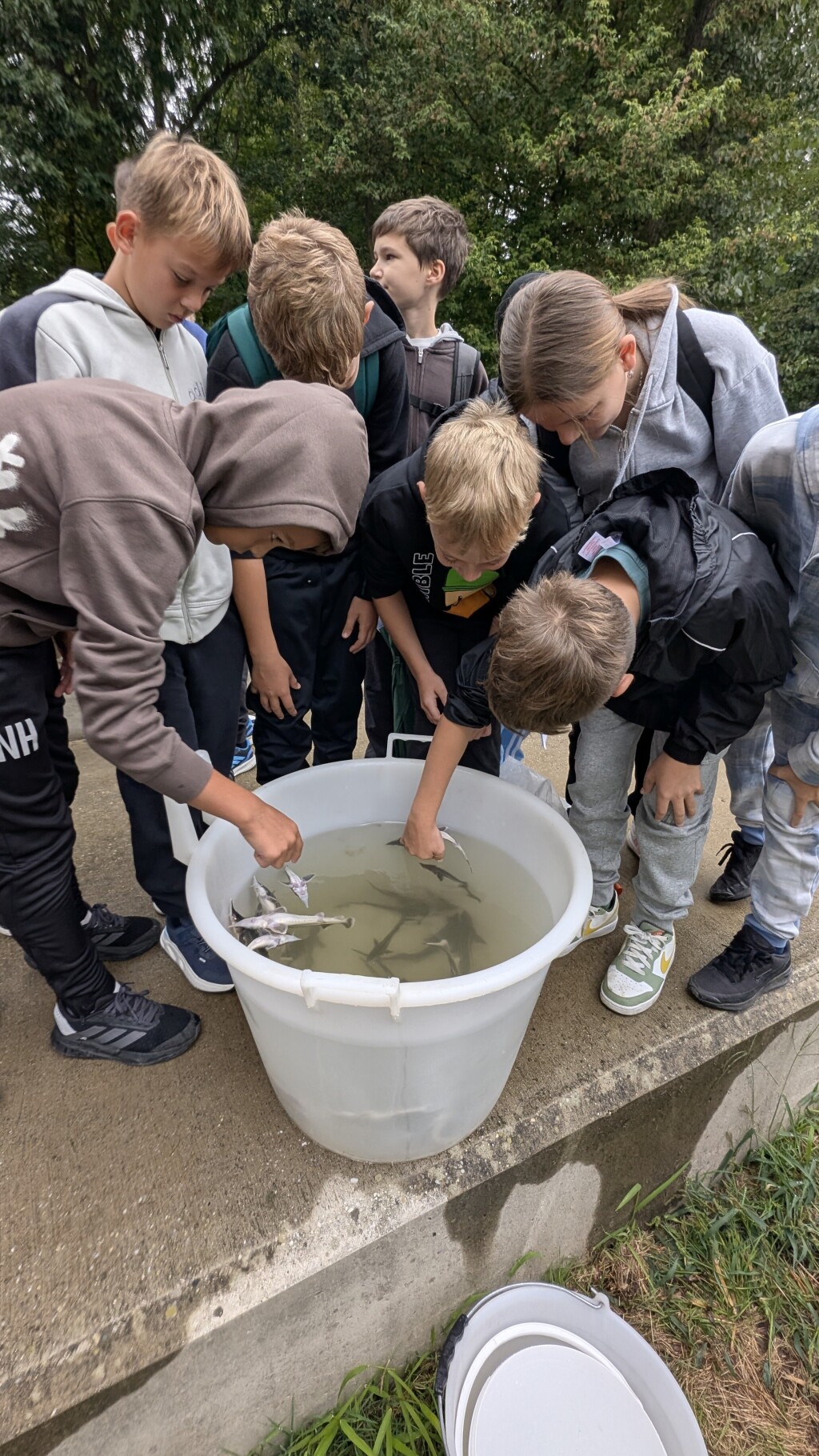
But first, they had a special task: helping to release young sterlets into the Mura.
For a species whose ancestors swam in rivers more than 200 million years ago, being carried to the water by a ten-year-old is probably an unusual chapter in its history. But behind the memorable moment was a serious goal.
Returning the “Mura dragon”
Sturgeons depend on large, connected river systems, and their decline reflects many of the pressures European rivers face today – habitat loss, blocked migration routes and other human impacts.
LIFE-Boat4Sturgeon combines conservation breeding, releases, monitoring and public engagement across several countries. In Slovenia, REVIVO operates a small sturgeon hatchery in Apače on the Mura, opened in June 2026 as part of the wider project network.
Young sterlets raised through the programme are gradually released into the river, with a much bigger long-term goal: a self-sustaining sterlet population in the Slovenian Mura. Locally, the species has earned a fitting nickname – the “Mura dragon”.
Restoring the river around the fish
The sterlet release was only one part of the story. International journalists also visited Hrastje Mota, where LIFE RESTORE for MDD is restoring around 300 metres of river channel, giving the Mura more room for natural river dynamics after decades of regulation.
They also visited floodplain forest restoration sites. These activities highlight an important message: bringing a species back to a river is only one part of the effort. For it to thrive in the long term, we must also restore the habitats and natural processes it depends on.
From science to people
By the afternoon, the Island of Love had become an open-air meeting place for local associations, conservation organisations, river managers and visitors, with nature walks, demonstrations, local heritage activities, a photography exhibition and a film evening.
That human side matters too. Rivers cross borders easily; restoring them takes years of cooperation between scientists, authorities, landowners, municipalities, local organisations and the people who live along them.
Five countries connected by water
The Mura in Slovenia is part of the Mura–Drava–Danube Biosphere Reserve, the first UNESCO biosphere reserve connecting Austria, Slovenia, Croatia, Hungary and Serbia.
A sterlet released into the Mura, a restored river channel, a floodplain forest or a reopened migration route may belong to different projects. But they are all pieces of the same river system.
And this is very much the DANUBElifelines story too. Our focus is on reconnecting rivers and restoring the ecological processes that migratory fish depend on. But connectivity does not exist in isolation. Fish also need healthy habitats, functioning floodplains and people willing to protect and restore them.
Working with other projects across the Danube basin helps us connect these different pieces, share knowledge and make more of the work already happening along our rivers. The Mura is a good example of what that can look like in practice.
The project names may differ. The river does not know where one project ends and another begins.
