The upper Rába still offers a home to rare, protected fish. Recent surveys explored where they live, where they can find food and spawn, and what could help them move more freely along the river.
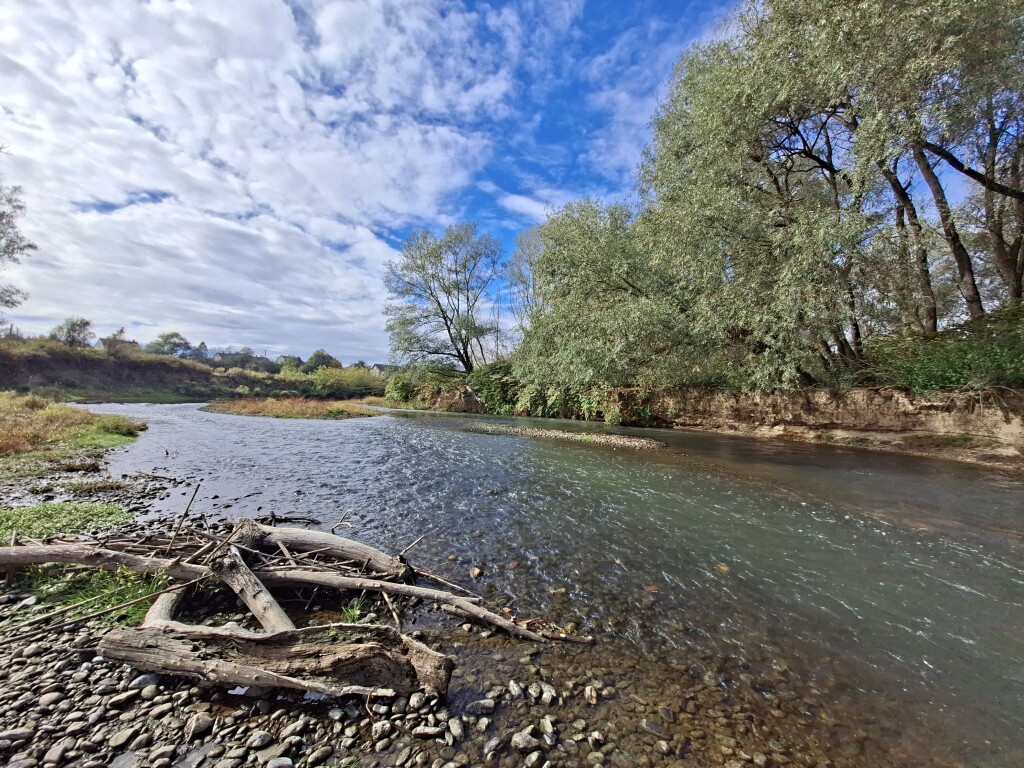
Kessler’s gudgeon (Romanogobio kesslerii) and the Danube streber (Zingel streber) are among the fish living in the upper Rába. Researchers confirmed the presence of both strictly protected species while surveying the river between Rábagyarmat and Magyarlak, Hungary. This stretch also provides important habitat for migratory species such as nase (Chondrostoma nasus) and barbel (Barbus barbus).
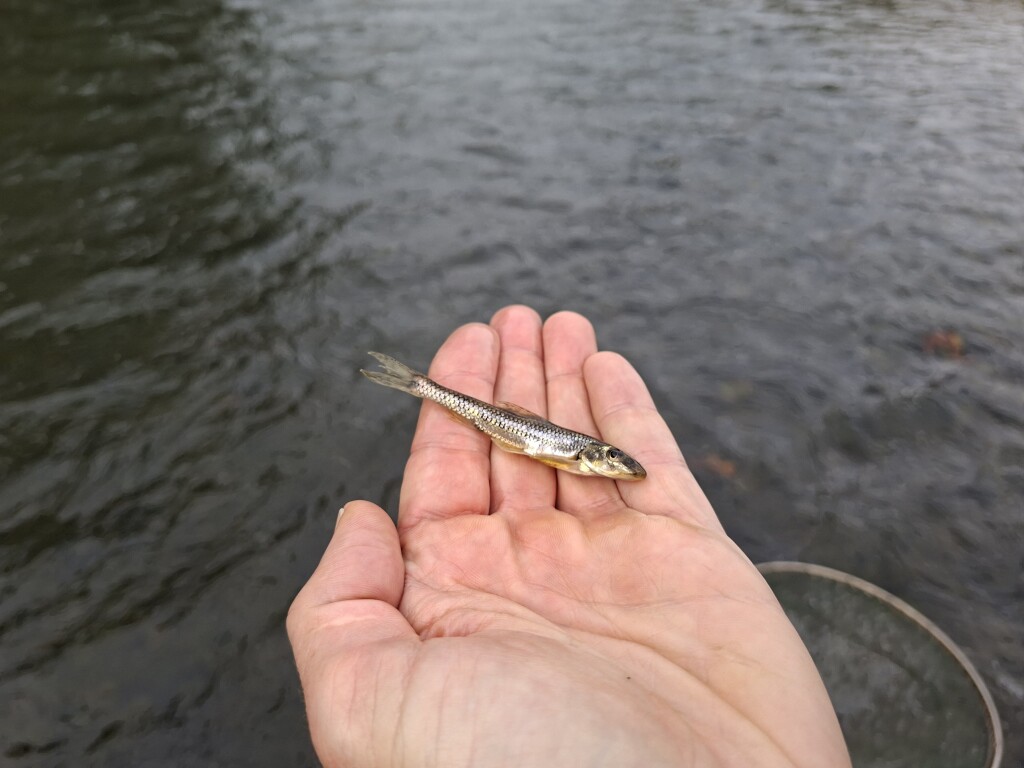
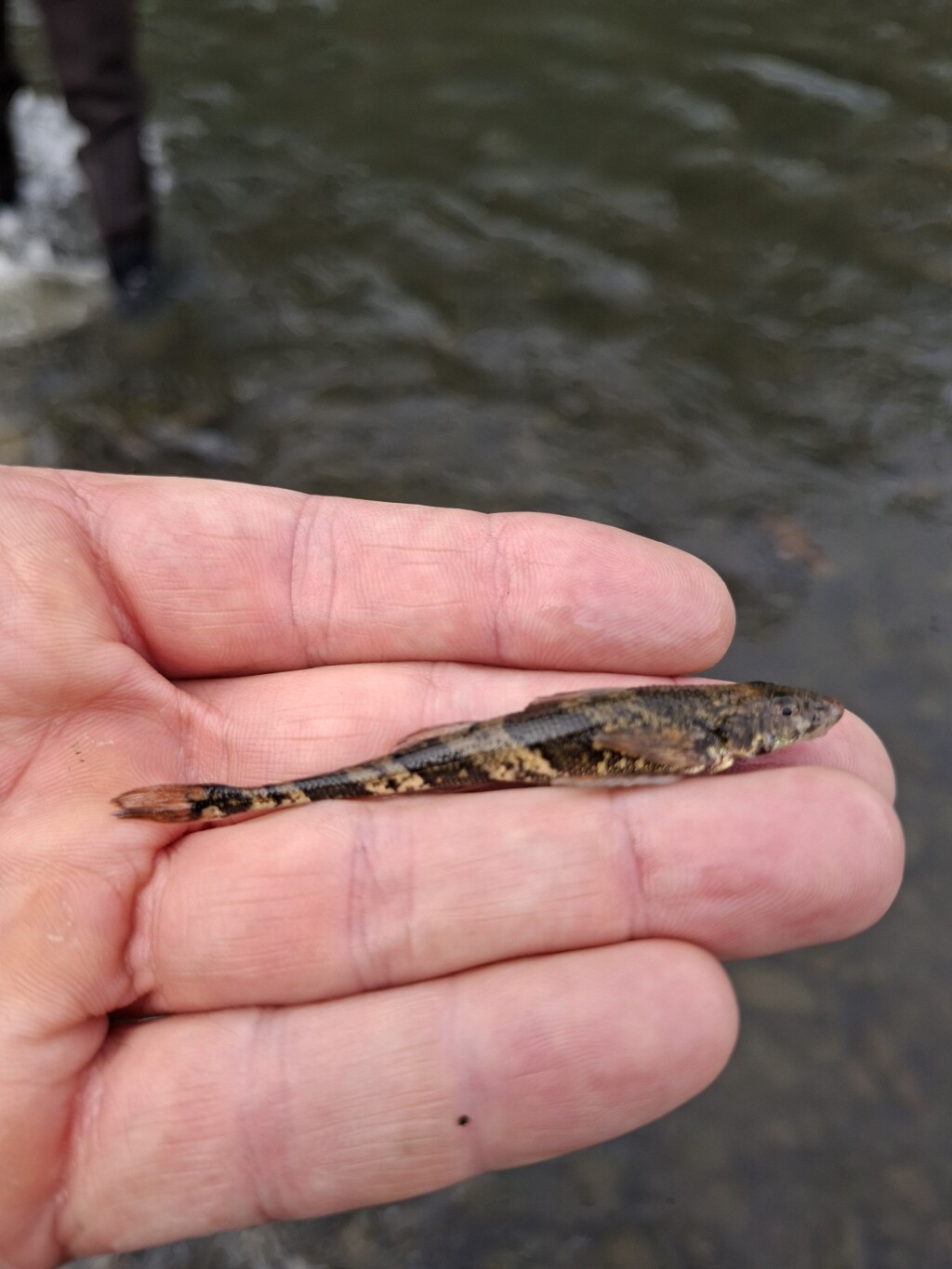
The fieldwork brought together fish ecologists from the HUN-REN Balaton Limnological Research Institute (BLRI) and experts from the Őrség National Park Directorate. As two Hungarian demo site partners in the DANUBElifelines Horizon project, they are working together to understand the river’s fish communities and the habitats that support them.
Where do fish find the conditions they need?
Along the upper Rába, the team found a variety of habitats, including short stretches that could provide valuable places for native fish to spawn and feed.
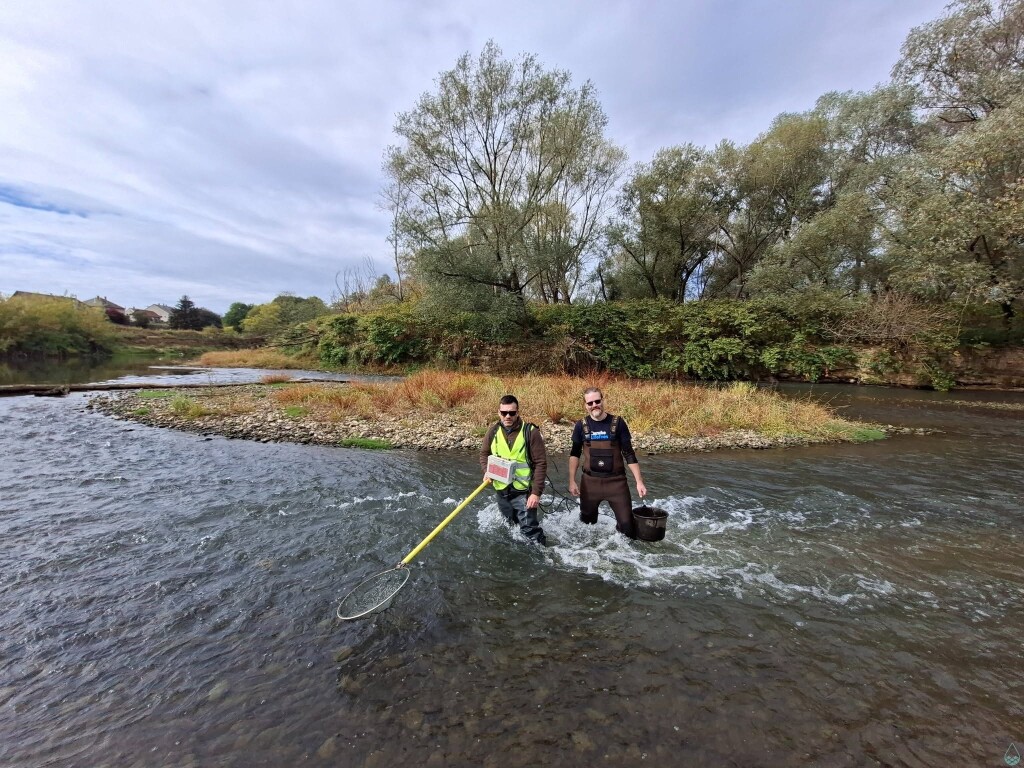
Understanding what makes these places suitable is an important part of deciding where river restoration could bring the greatest benefits. In Hungary, the project’s research covers sites along both the Danube and the Rába. Scientists compare degraded river sections with those that remain close to natural conditions, looking at the habitat features that help fish spawn, feed and survive.
These comparisons can help identify which conditions matter for fish and where restoration efforts would be most useful.
Helping fish reach suitable habitats
Finding suitable habitat is only part of the story. Fish also need to be able to reach it.
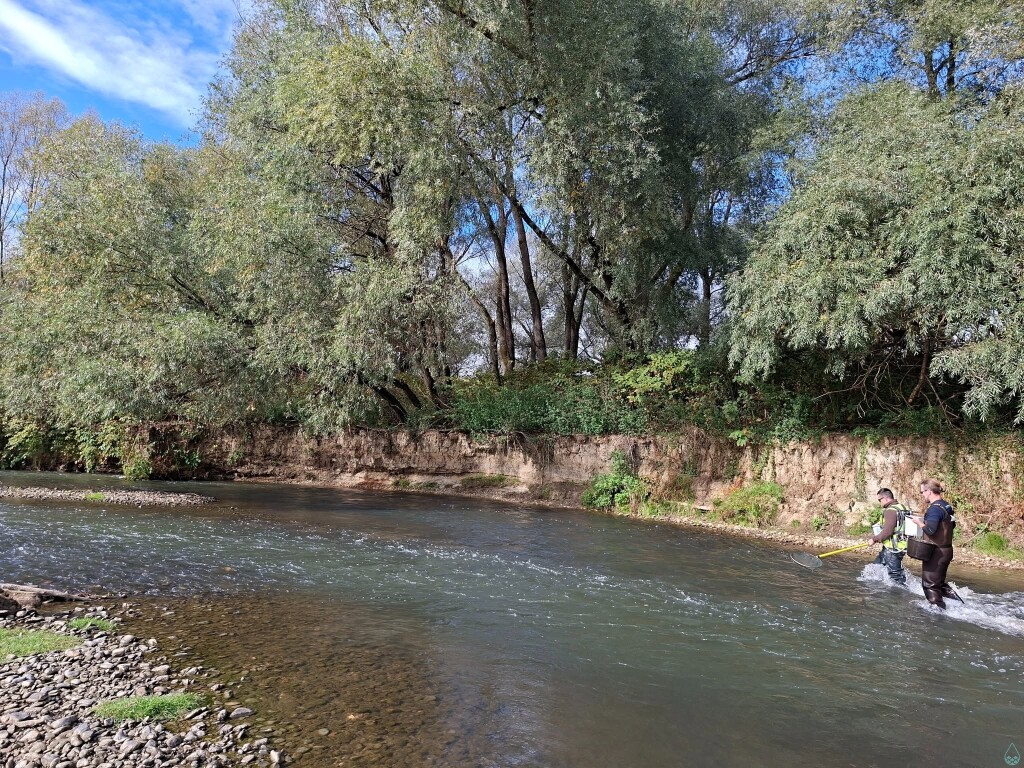
Small hydropower installations have restricted fish migration along the Rába. At Körmend and Magyarlak, effective fish passage facilities are still lacking, although their construction is expected in the coming years. Improving passage at these locations would help fish move more freely along the river and access the habitats they need at different stages of their lives.
By combining BLRI’s fish ecology expertise with the local knowledge of Őrség National Park specialists, the surveys are building a clearer picture of the habitats that sustain the river’s biodiversity. Their findings can help guide future restoration on the Rába.
