In spring 2026, within the DANUBElifelines project, REVIVO and partners organized seven regional workshops across Slovenia as part of the preparation of the National Strategy for the Conservation of Danube Salmon (Hucho hucho) and its habitats.
Very quickly, the workshops became more than discussions about one fish species. They evolved into conversations about rivers themselves: how they have changed, who shapes their future, and whether people living alongside them still have a voice in decision-making.
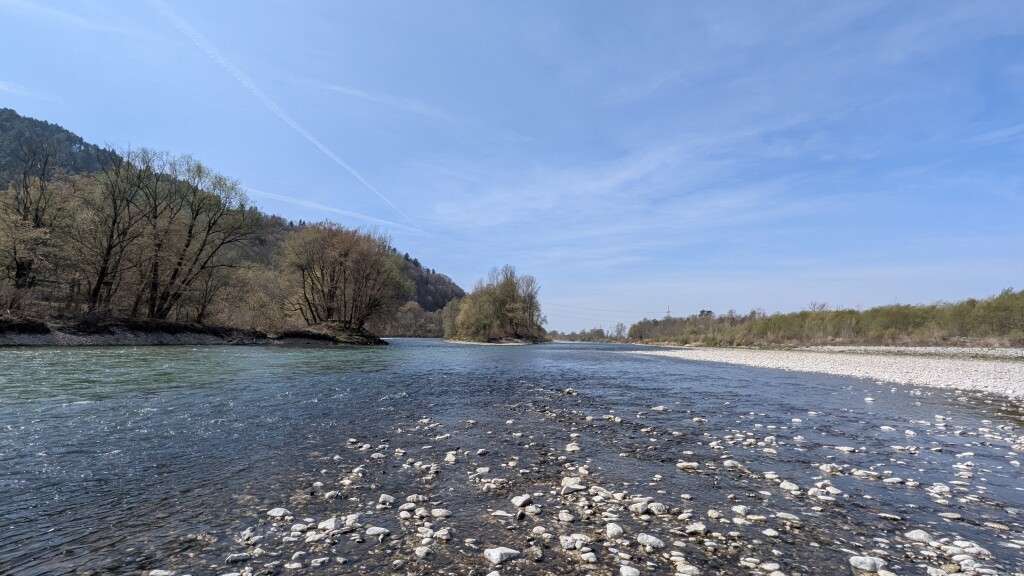
From the Mura and Drava in the northeast, across the Savinja, Middle Sava and Sora to Alpine Sava Bohinjka and Sava Dolinka, all the way to the Krka and Kolpa in the south, the workshops connected communities across the entire Slovenian Sava demonstration site. Traveling through the basin revealed something deeply encouraging: despite different perspectives and local realities, there are still many people who genuinely care about rivers, fish, water, landscapes and the future of their environment.
Bringing Different Voices to the Same Table
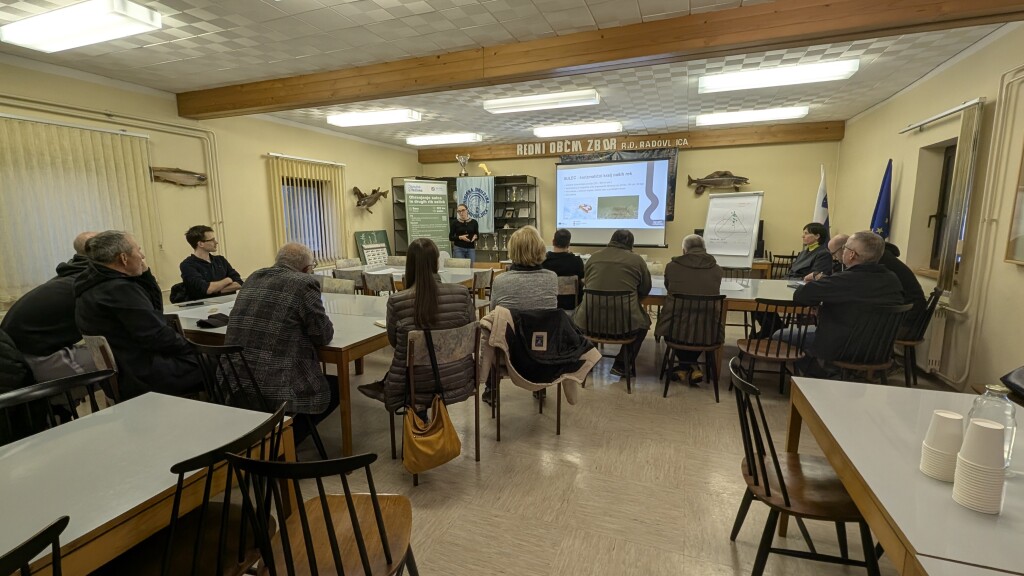
The workshops gathered a broad range of stakeholders connected to rivers in different ways, including local fishing associations, researchers, ecological experts, representatives of the Institute of the Republic of Slovenia for Nature Conservation, water management authorities, hydropower representatives, NGOs and civil initiatives, tourism providers, rafting operators and local residents.
In many places, participants emphasized that these workshops created one of the rare opportunities for different groups to sit together and openly discuss the future of rivers. The meetings were intentionally designed as spaces for dialogue rather than lectures, allowing local knowledge, practical experience and scientific perspectives to meet around the same table.
What We Heard from the Rivers
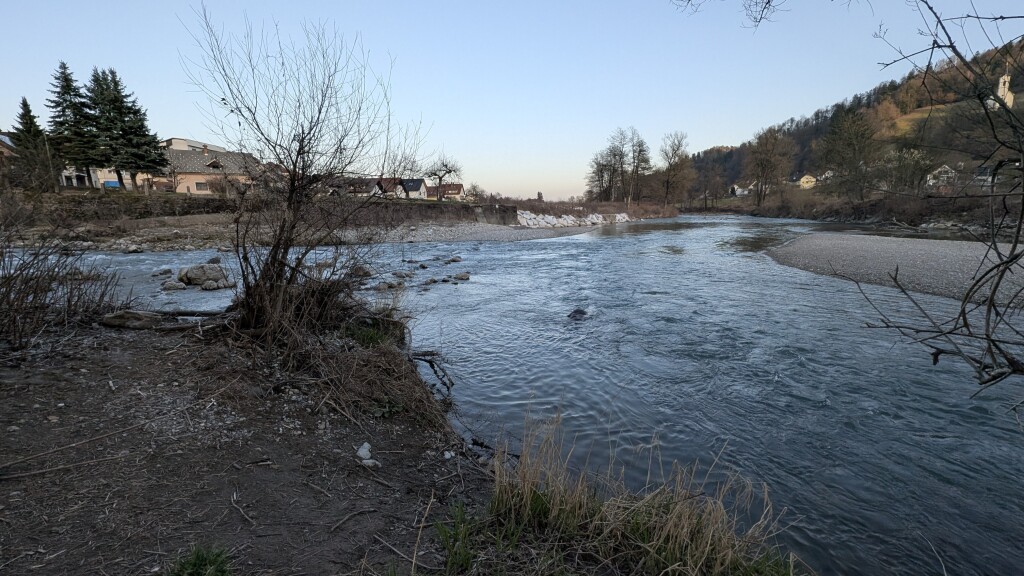
Although each river has its own story, remarkably similar themes emerged across the basin. Participants repeatedly highlighted barriers and dams interrupting fish migration, ineffective fish passes, excessive river engineering, gravel extraction, rising water temperatures, sediment deficits, over-clearing of riparian vegetation, agricultural runoff, insufficient monitoring of river interventions and growing pressures from hydropower development.
On the Savinja, discussions focused strongly on flood protection measures following recent floods, including concerns about channelization and the loss of space for natural river dynamics. Along the Krka and Kolpa, participants raised concerns about restored weirs that remain impassable for migratory fish, unsupervised tourist activities and excessive water abstraction. In the middle Sava, one of the last larger stretches of the river in Slovenia still preserving important ecological connectivity, discussions focused on hydropeaking, gravel extraction and increasing pressure on remaining natural habitats.
Beyond the Conservation of One Species
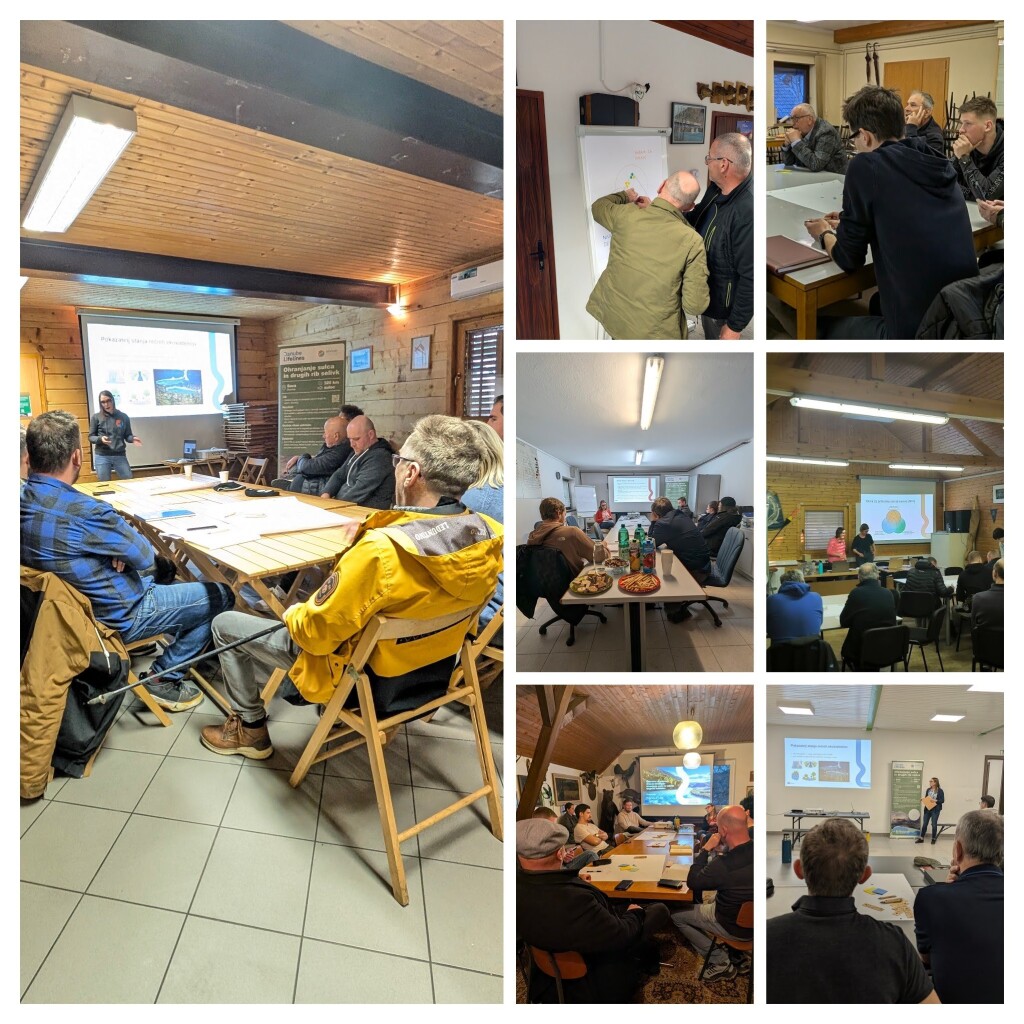
While the workshops focused on Danube Salmon conservation, discussions repeatedly expanded toward broader questions about river ecosystems and society. Participants emphasized that healthy rivers are closely connected to drinking water quality, groundwater recharge, biodiversity, flood resilience, recreation and quality of life.
Several participants also expressed frustration that local communities are often informed about river interventions only after major decisions have already been made. Many described feeling excluded from planning processes despite living with the consequences of those decisions every day. The workshops therefore became not only technical discussions, but also spaces for rebuilding dialogue, trust and participation.
Imagining the Future of Rivers
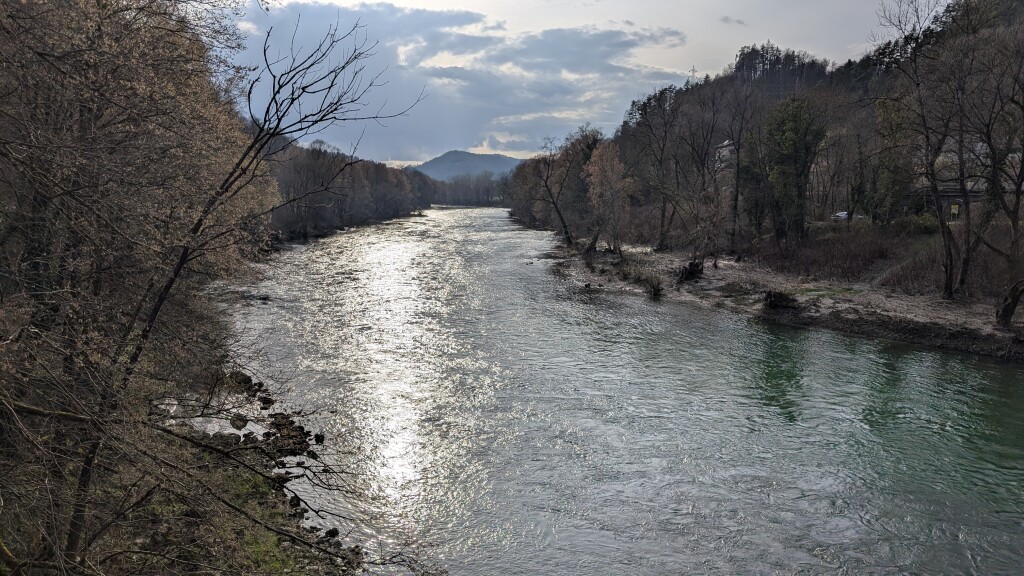
One important realization emerged repeatedly throughout the workshops: when people talk about river problems, answers come quickly. When they are asked to imagine future goals for rivers, the conversation becomes much more difficult.
Not because people do not care, but perhaps because many rivers have already changed so much that imagining them differently no longer feels realistic. Yet this may be one of the most important steps in river restoration: allowing ourselves to ask again what kind of rivers we actually want in the future.
What Happens Next
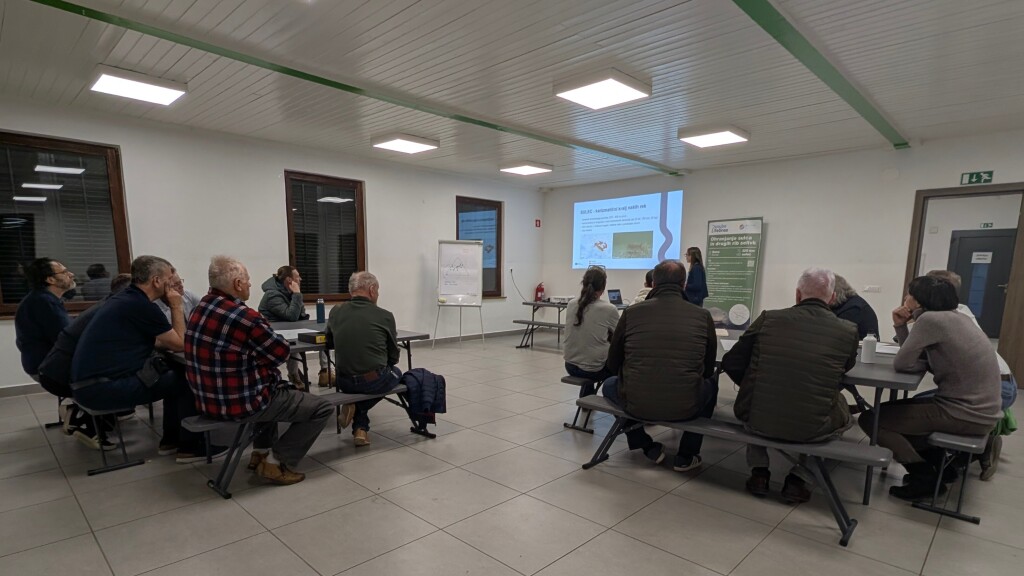
The workshops will continue in 2027, when the focus will shift toward identifying concrete measures and solutions. Participants repeatedly emphasized that meaningful measures can only emerge once threats, pressures and shared goals are clearly understood together.
Rivers as Relationships
One of the strongest impressions from this journey across the Sava Basin was that rivers are not only ecological systems or management units. They are relationships: between landscapes and people, between upstream and downstream communities, between development and responsibility, and between past decisions and future possibilities.
Traveling across the entire Slovenian demonstration site and meeting people from so many different regions showed that, despite challenges and conflicting interests, there is still a strong willingness to protect rivers and search for common solutions.
Because a river is never just a line on a map. It is a living system that shapes the space around us, and ultimately shapes us as well.
