From 10–13 August 2026, around 50 researchers and practitioners connected to Mission Water and Ocean projects and partner institutions from across the Danube Basin - including BOKU University, the University of Bucharest and many others - gathered in Baja, Hungary, for the IAD Conference. IAD Conference 2026
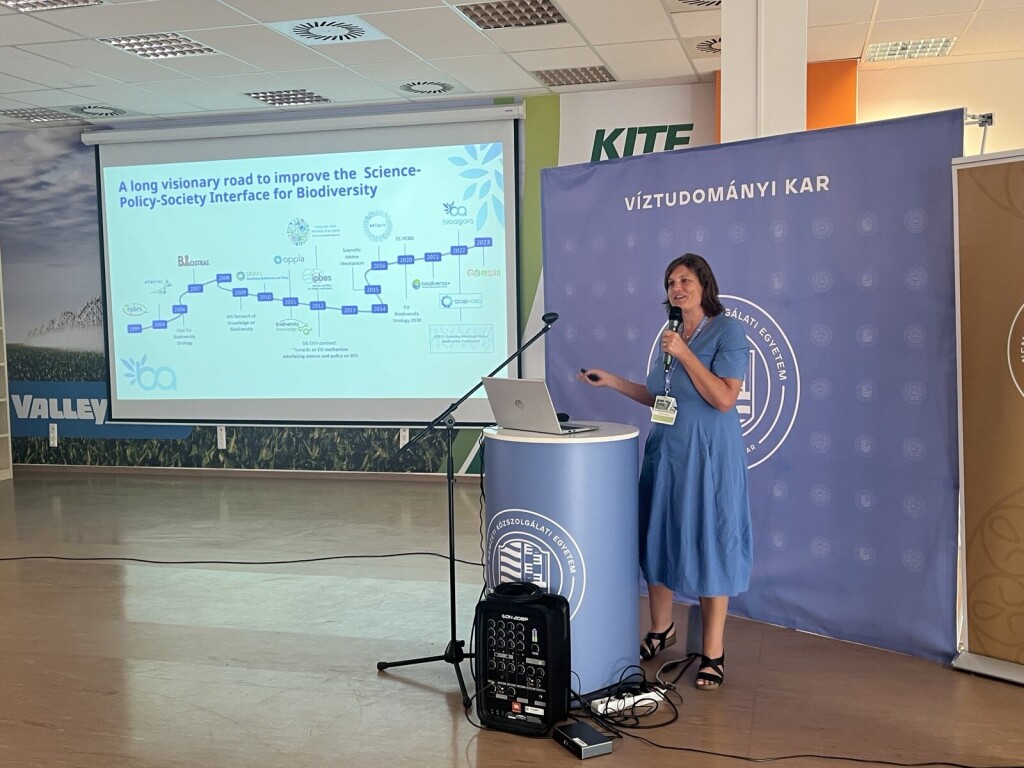
More than a scientific meeting, the conference felt like a gathering of a large family united by a common responsibility: caring for the Danube and its ecosystems.
The scientific programme covered a broad range of topics, including river and floodplain monitoring and biodiversity, sediment transport and sediment physics, as well as hydrochemistry and hydroecology. A common thread running through many of the presentations was the record drought affecting the Danube in 2026. The exceptionally low water levels left Baja without visitors, the river resort normally provides valuable opportunities for bathing and recreation, now the Danube tributary right next to the Water Faculty hosting the conference, offered a devastating picture with stranded boats and swimming islands.
While the drought is deeply concerning, the scientific findings presented in Baja also offered reasons for optimism. Restoration efforts are showing significant success, and studies of phytoplankton, zooplankton and fish communities suggest that habitat quality and the condition of living communities can be more decisive than connectivity alone. This underlines the importance of planning restoration research and measures at a sufficiently broad spatial scale, while at the same time adapting interventions to locally specific environmental conditions.
Particularly thought-provoking were two presentations concerning Insula Magna Programme, an area whose development involved damming and water management to become a cross-border, sustainable and exemplary development area. However, the construction work rather violated than supported the Water Framework Directive measures. The planning process between Hungary and Slovakia was described as insufficiently transparent, with significant impacts on the ecosystems targeted by the restoration project. At the same time, monitoring has revealed an unexpected positive development: while considerable attention and resources were directed towards the restoration area, the original main channel has gradually recovered from anthropogenic pressures, and several species previously listed as threatened by the IUCN have recently been detected again.
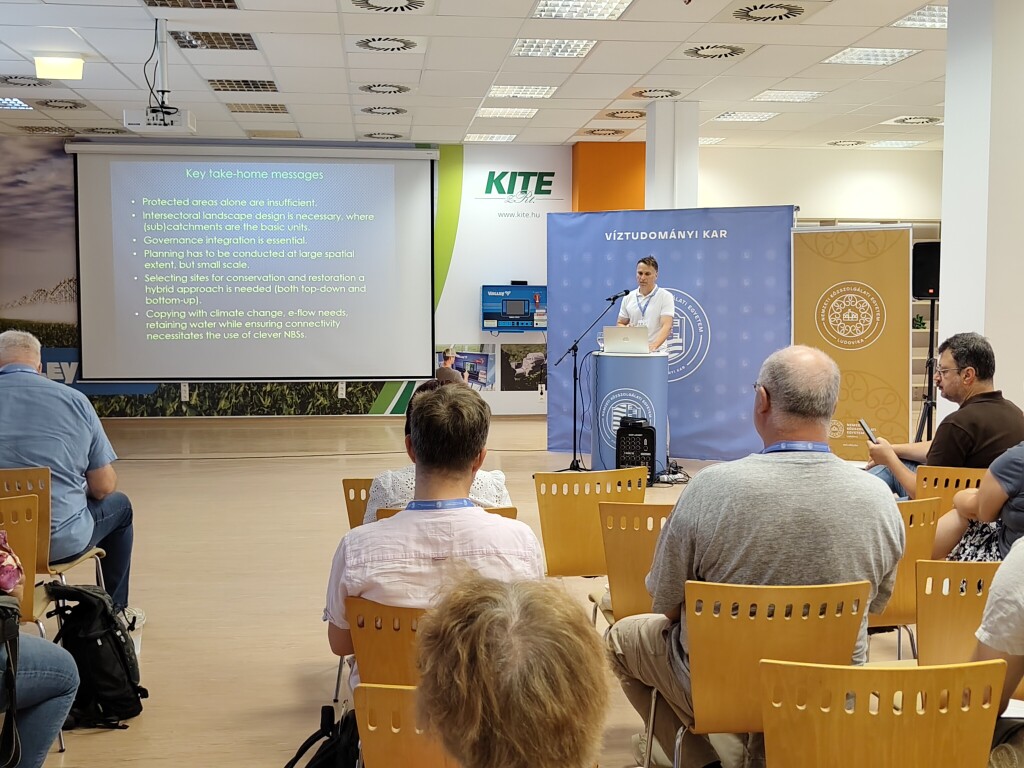
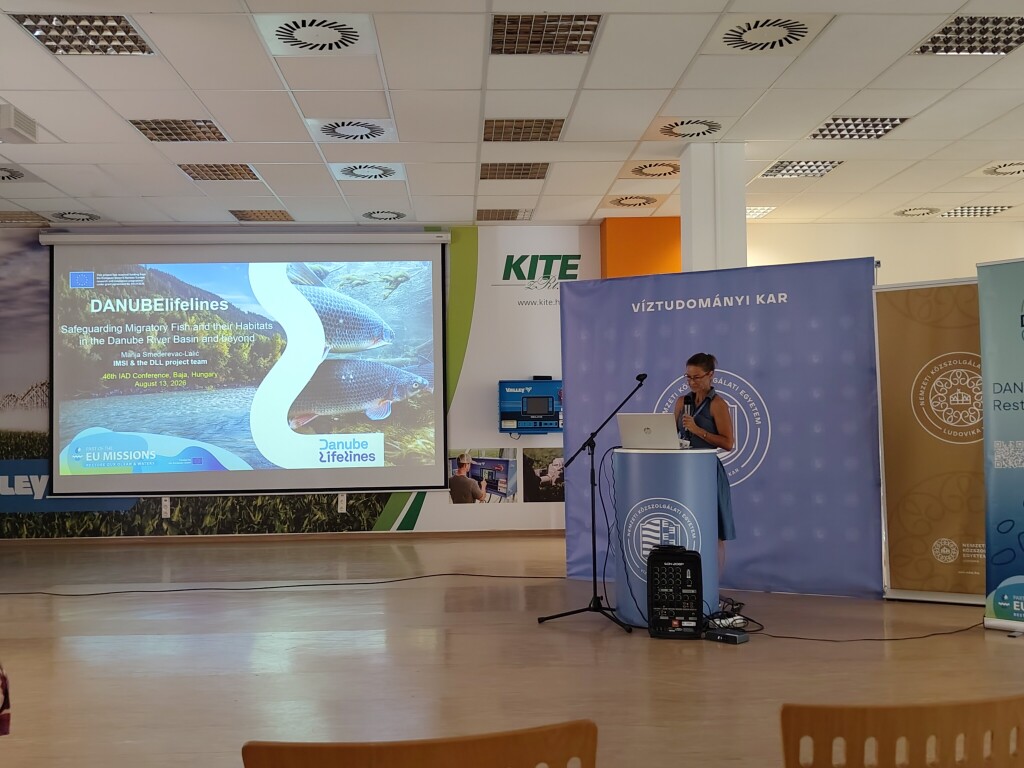
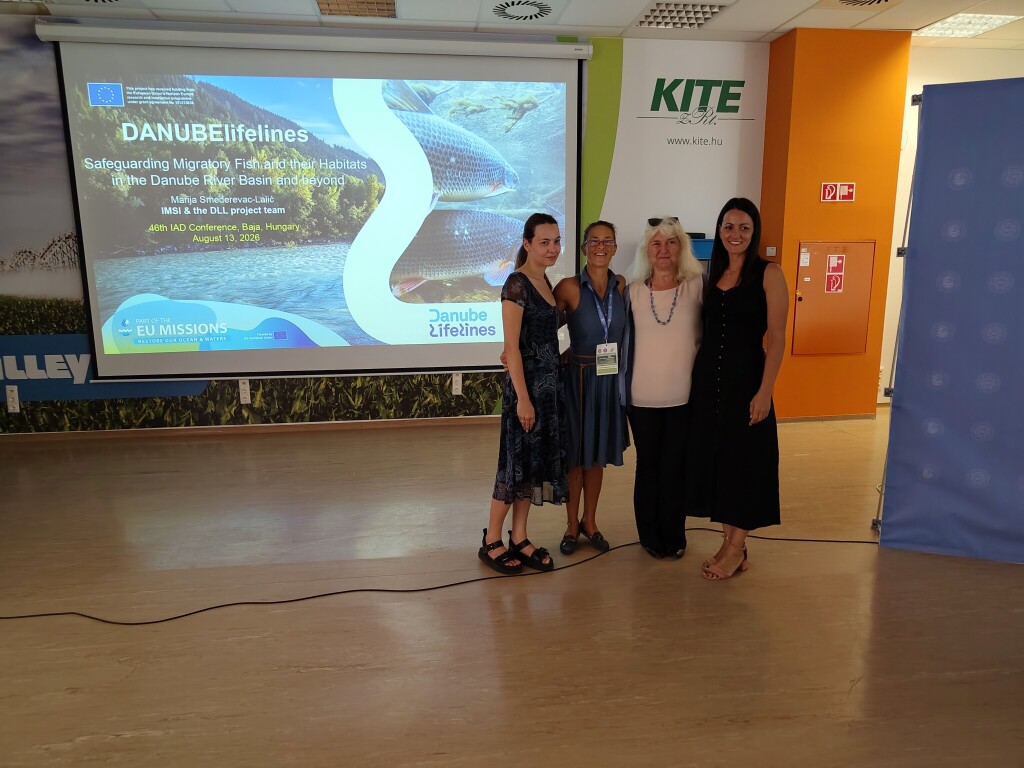
In the face of increasing droughts and floods, experts at the conference were remarkably unanimous: the old, dynamic, meandering Danube may hold some of the best solutions for increasing the river's resilience. Yet space for natural river dynamics is increasingly constrained by infrastructure and agriculture. Every restoration of a side arm, oxbow or floodplain connection can therefore make a difference helping to safeguard biodiversity and sediment dynamics while strengthening the river's capacity to cope with climate change.
The final networking day brought these scientific discussions into the wider context of Mission Water and Ocean and Interreg cooperation. Numerous opportunities for collaboration were identified, including the history and achievements of the Mission Water and Ocean programme presented through the EU-funded Ecodalli project. Participants strongly supported the idea of joining forces: pulling in the same direction on outreach and education, combining approaches to stakeholder engagement, strengthening Knowledge Exchange Networks, and translating scientific findings into policy recommendations. The BioAgora project's work on a Science Service for Biodiversity and its contribution to the EU Knowledge Centre for Biodiversity provided another important example of how science, policy and society can be connected.
Four days in Baja may have meant giving up a few days of summer holiday, but they were four days well spent. The Danube community is growing, both in numbers and in impact. The IAD Conference demonstrated that there is a strong willingness to work across borders, disciplines and projects. The challenge now is to turn this growing network into transformative action: to bring even more stakeholders on board, strengthen cooperation and disrupt the trajectory towards the loss of water, sediment and biodiversity in one of Europe's most important rivers. DANUBElifelines is one of several Mission Ocean and Water project that will join forces for this target. The Danube is one river, shared by many countries and its future will depend on how well we learn to act as one community.
