The Romanian - Bulgarian stretch of the Danube, the Romanian Danube, and the Danube Delta, are one of Europe’s last strongholds for highly threatened migratory fish. Among them, sturgeons and shads stand out as living witnesses of evolutionary history, but also as indicators of river health. Their survival depends on connectivity: the ability to move freely between the Black Sea, the Danube River, and its floodplains.
Sturgeons - Giants on the Brink of Extinction
Sturgeons are among the oldest fish species on Earth, having swum in our rivers and seas for over 200 million years. They are long-lived and slow to mature, which makes them especially vulnerable to human pressures such as dam construction, habitat loss, and overfishing.
Beluga (Huso huso) - One of the largest freshwater fish in the world, capable of reaching several meters in length and weighing hundreds of kilograms. It is also the latest-maturing sturgeon species, with individuals taking decades to reach reproductive age. Among the Danube sturgeons, Acipenser gueldenstaedtii, Acipenser stellatus, and Acipenser ruthenus mature earlier than the beluga. An anadromous species, it spawns in the river, while juveniles drift downstream to grow in brackish or marine waters. The Danube hosts the last known natural spawning population in the Black Sea basin. Yet today, the beluga is critically endangered, surviving only in reduced numbers downstream of the Iron Gates dams.
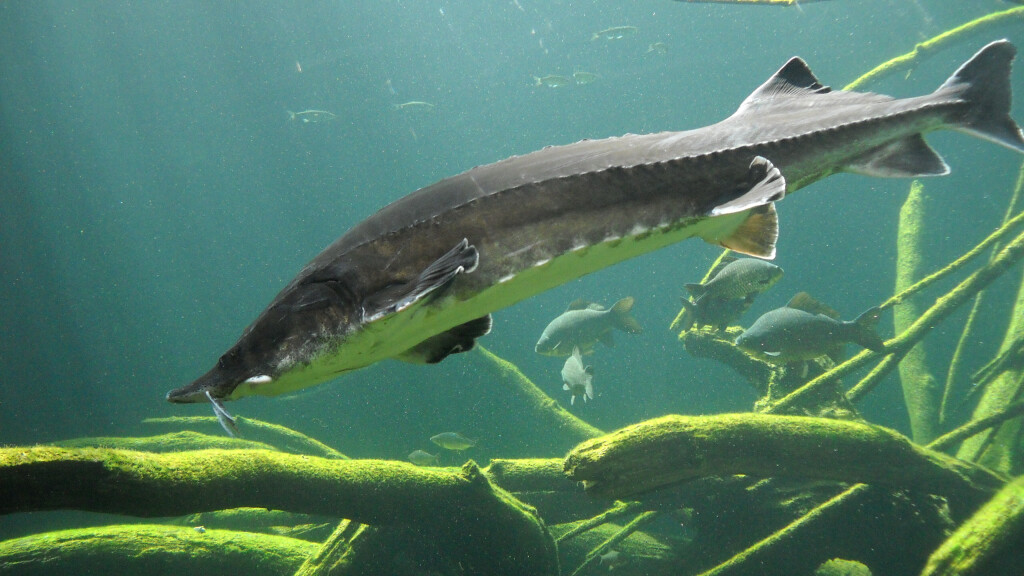
Stellate sturgeon (Acipenser stellatus) - Also anadromous, this slender-bodied species once migrated freely along the Danube and its tributaries. Today it remains at very high risk, with wild spawning still occurring in some areas of the Lower Danube, but at greatly reduced levels.
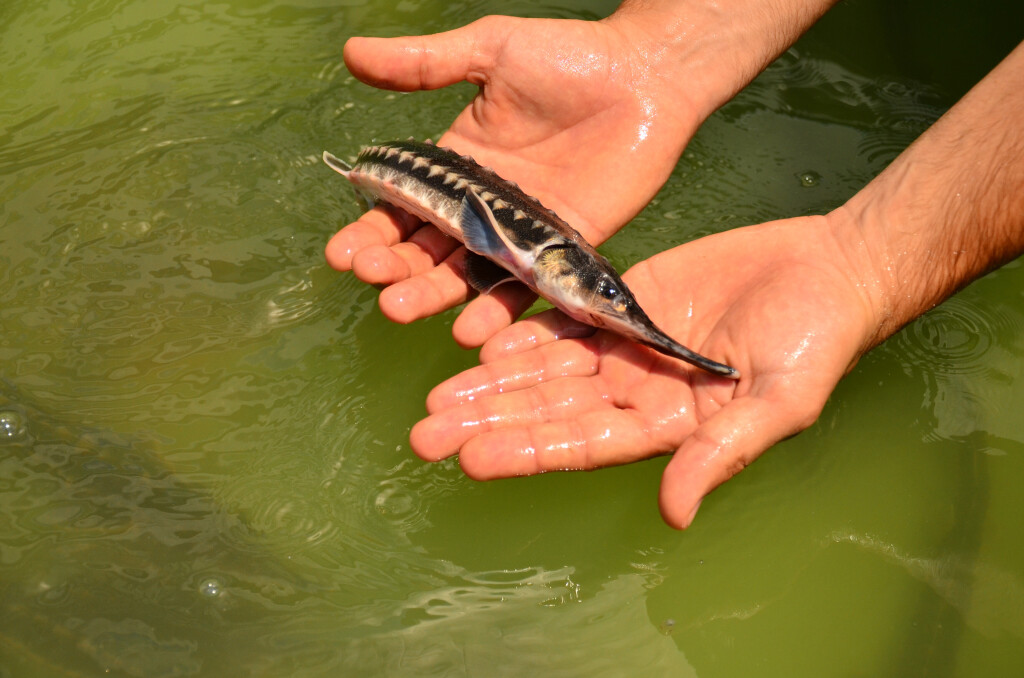
Russian sturgeon (Acipenser gueldenstaedtii) - It is an anadromous species. Its wild populations have collapsed; most individuals now recorded originate from hatchery stocking, with a declining genetic diversity.
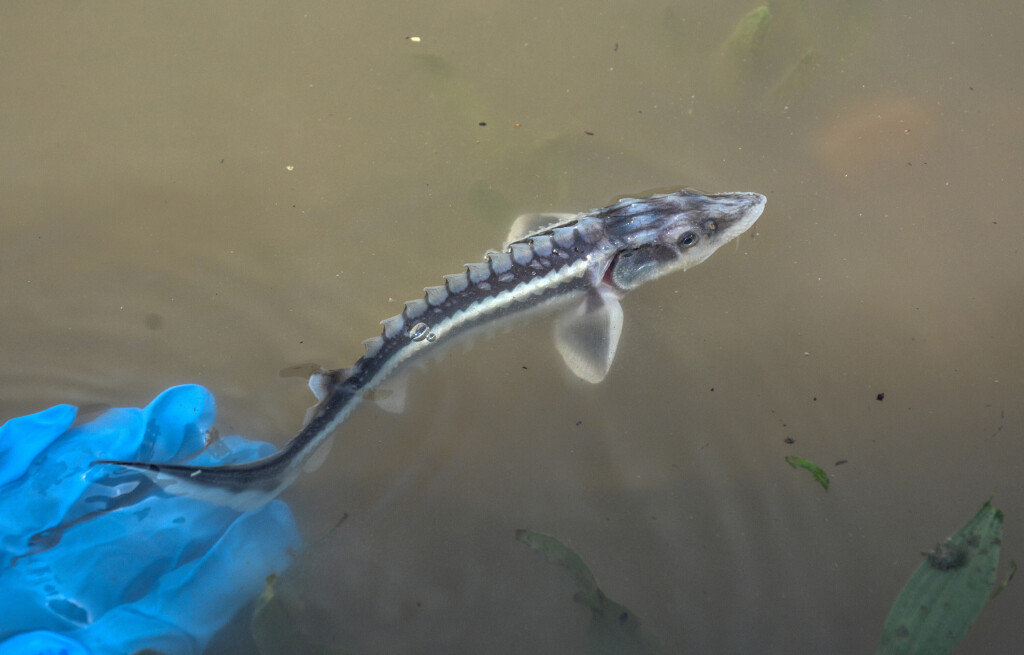
Ship sturgeon (Acipenser nudiventris) - Unlike most of its relatives, this is a potamodromous species, migrating entirely within freshwaters. Once widespread in the Danube, it has now become vanishingly rare. Unfortunately, in 2022, IUCN has declared the species extinct in the Danube.
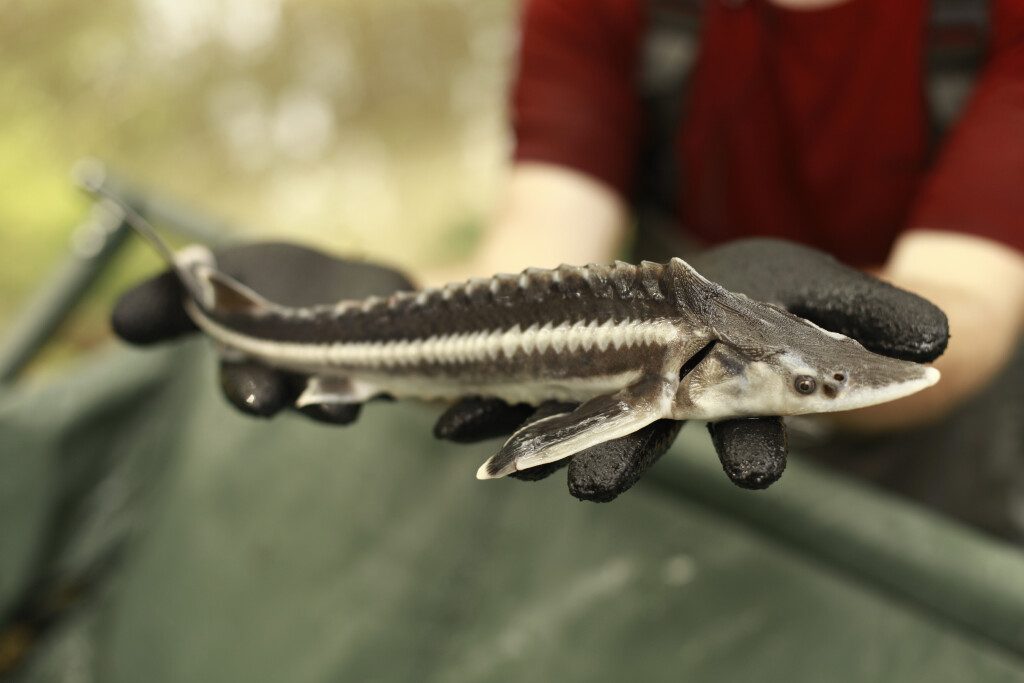
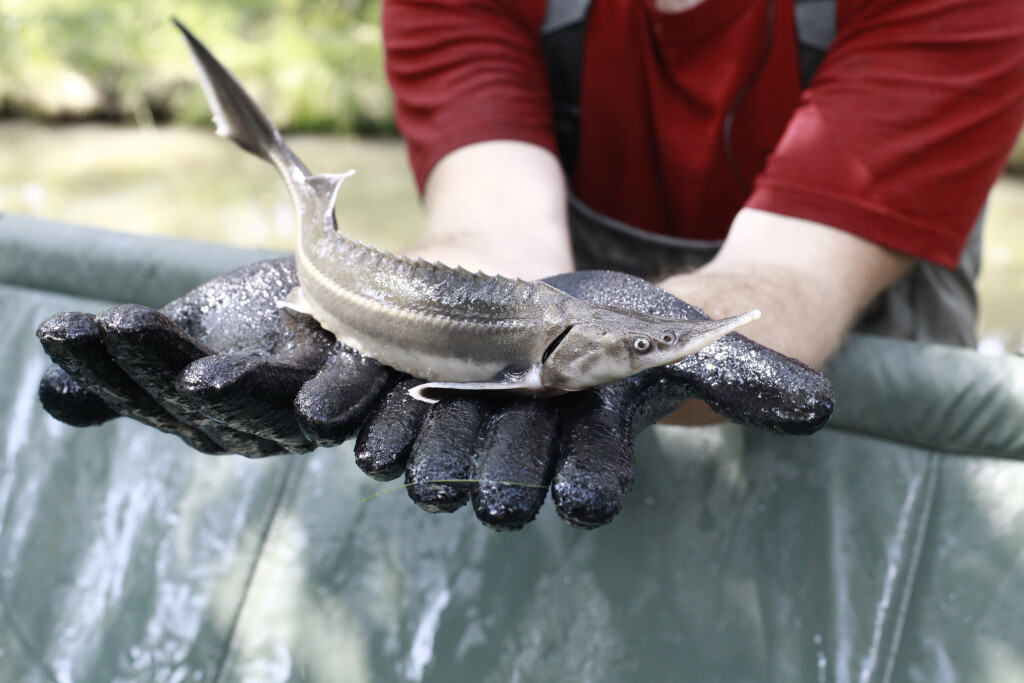
Sterlet (Acipenser ruthenus) - It is the smallest Danube sturgeon and also potamodromous. It spends most of its life in rivers, yet still undertakes seasonal migrations. Once abundant, it is now threatened, with populations much reduced and a vulnerable status.
Across all sturgeon species, the threats are consistent: fragmentation of migration routes by dams, pollution, overexploitation - including illegal fishing- and the loss of suitable spawning grounds.
Shads
Unlike the long-lived sturgeons, shads are smaller, short-lived fish with high reproductive potential. Every spring, they migrate from the Black Sea into the Danube to spawn, depending on free passage, clean water, and suitable river flows. Their declining numbers reflect recent pressures on the river ecosystem.
Pontic shad (Alosa immaculata) - Once able to swim as far as Hungary, access to its historic spawning grounds has been cut off by dams such as the Iron Gates. Today, it breeds only in the lower reaches of the Danube and other large rivers entering the Black Sea. Migrates upstream each spring when water temperatures rise. Its eggs and larvae drift downstream to the sea. Still important as a fishery resource, but populations are shrinking due to overfishing, habitat changes, and barriers to migration.
Black Sea shad (Alosa tanaica) - Similar in biology to the Pontic shad, with overlapping ranges. It undertakes shorter migrations from coastal waters into river mouths and estuaries. It matures quickly, often within two years, and spawns in spring when water temperatures rise above 15°C. While still locally abundant, it is vulnerable to changes in estuarine habitats, such as rising salinity and reduced freshwater flow caused by drought and water abstraction.
Shared Challenges, Shared Solutions
Sturgeons and shads may differ in size and lifespan, but their survival is tied to the same fundamental conditions: connected rivers, healthy habitats, and relevant legislation. Progress has been made through legal protections, supportive stocking, and monitoring, yet these measures alone are not enough.
The Danube LifeLines project is working to change this trajectory. At demo site III, our goals are clear:
· Identify spawning habitats and harmonization of close seasons between Romania and Bulgaria
· Up-dating and implementing business plans for fishermen to generate alternative income activities in Romania and social recognition schemes in both countries.
· Training in legislation, impact of poaching, species recognition and forensics will be carried out with Police, Border Guards, NAFA, EAFA etc. and representatives from the judiciary.
· Collect data on illegal sturgeon fishing and trade cases, including control efforts, offences, and penalties will be collected to measure the impact of the project activities.
A Model for the Future
The road to recovery is not only about science and enforcement. It is also about people. Local fishers and communities, whose lives are intertwined with the Danube, must be part of the solutions - whether through sustainable fishing practices, eco-tourism, or other alternative livelihoods.
The Romanian - Bulgarian demo site has the chance to become a model of integrated conservation: where fish like sturgeons, shads, and many other species living here can once again thrive, and where people and nature benefit from a healthier, more resilient Danube.
