The Hidden Crisis in Europe's Rivers
When people think about biodiversity loss, they often picture disappearing rainforests and iconic species like orangutans or jaguars, or melting polar ice caps threatening polar bears and whales. Yet one of the most critical ecological crises is happening closer to home—in Europe’s rivers and streams. Freshwater ecosystems face mounting threats. Native fish populations are among the most affected, with over two-thirds at risk and a decline of migratory fish populations by 80% between 1970 and 2020.
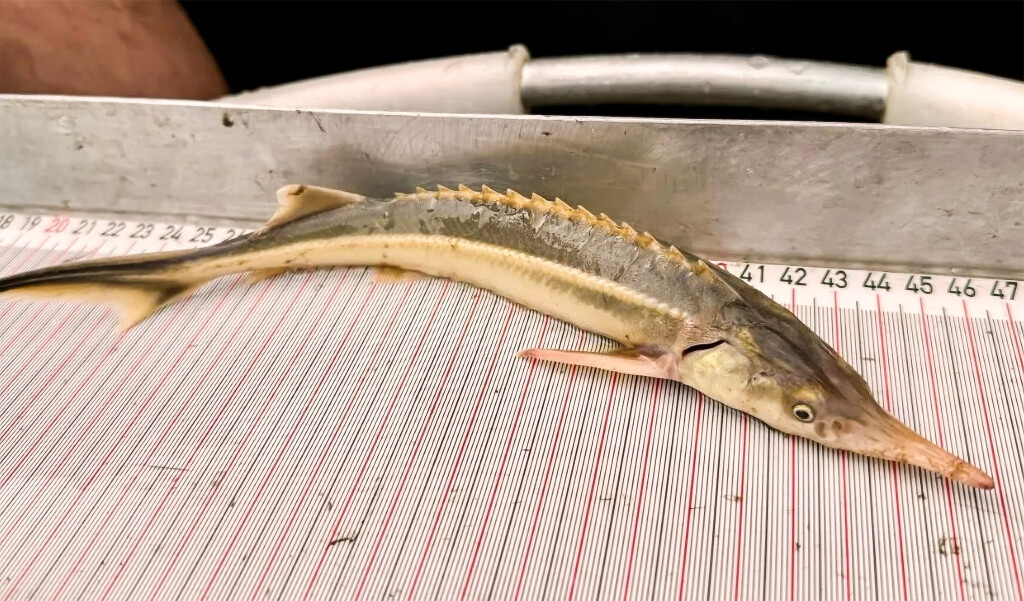
Despite these alarming numbers, the crisis in our rivers remains largely invisible. Many migratory fish species, including iconic ones like the sturgeon, huchen, nase and barbel, can no longer reach their spawning and feeding grounds. Without free-flowing rivers, these species cannot complete their life cycles—and risk disappearing entirely.
Why Fish Matter (Even If They're Not Cuddly)
Fish rarely make headlines. They’re not charismatic, easily photographed, or well understood. Their diversity and ecological roles often go unnoticed. But fish are essential indicators of ecosystem health. Thriving fish populations typically signal healthy, functioning rivers. Conversely, their decline reveals deeper problems—fragmentation, pollution, and habitat loss—that affect biodiversity and human well-being alike.
A Different Approach to River Conservation
DANUBElifelines, a Horizon Europe project, takes a new approach to river restoration. Instead of focusing on isolated species or sites, we adopt a basin-wide perspective. The health of the Danube depends on connectivity across 19 countries.
Our research uses fish migration as a lens into ecosystem dynamics. Mapping fish movement helps identify key barriers to remove and critical habitats to restore. We focus on species listed under the EU Habitats Directive, such as sturgeon, that depend on long migratory journeys between the Black Sea and upstream river stretches but also on typical Danube species like the nase and the barbel.
What We Do in Practice
DANUBElifelines applies a strategic, collaborative model:
Transnational Coordination: Fish don't stop at borders. We align restoration actions across countries, from Germany to Romania.
Context-Specific Solutions: No two rivers are alike. We tailor measures to local conditions—from alpine streams to lowland floodplains.
Inclusive Stakeholder Engagement: Scientists, communities, public agencies, NGOs and industry all have a seat at the table.
Smart Use of Technology: We deploy advanced monitoring tools to track fish and assess ecosystem conditions in real time.
Why It Matters for People Too
Restoring river connectivity isn’t just good for fish—it’s good for society. Healthy rivers reduce flood risks, improve water quality, support livelihoods, and build resilience to climate extremes. Wetlands and floodplains buffer floods and droughts while maintaining cooler microclimates during heatwaves.

From Research to Action
By the time the project concludes in 2029, DANUBElifelines will deliver more than data. We’re developing a comprehensive action plan for fish-friendly river restoration, informed by work at our eight demonstration sites.
This action plan will translate research into guidance for policymakers, practitioners, and communities—outlining what to restore, where to act, and how to balance ecological and societal priorities. It will include tested methods to improve fish passage and reconnect critical habitats.
Follow Our Journey
Want to learn more? Visit danubelifelines.eu or follow us on LinkedIn for updates from across the Danube River Basin.
