On April 21 and 22 the Horizon Europe project DANUBElifelines (DANUBElifelines – Let the fish back to the Danube) organised an expert workshop on the conservation status of migratory fish indigenous to the Danube Basin in the city of Kranj (Slovenia). Twenty experts from different Danube Basin countries and beyond participated.
Within DANUBElifelines, 21 migratory fish species have been selected for which the project assessed the dominant stressors (e.g. barriers, habitat quality, fisheries, water quality) and the conservation or restoration measures most likely to succeed in conserving or rebuilding the populations. Some of these migratory species - four sturgeon species - are critically endangered.
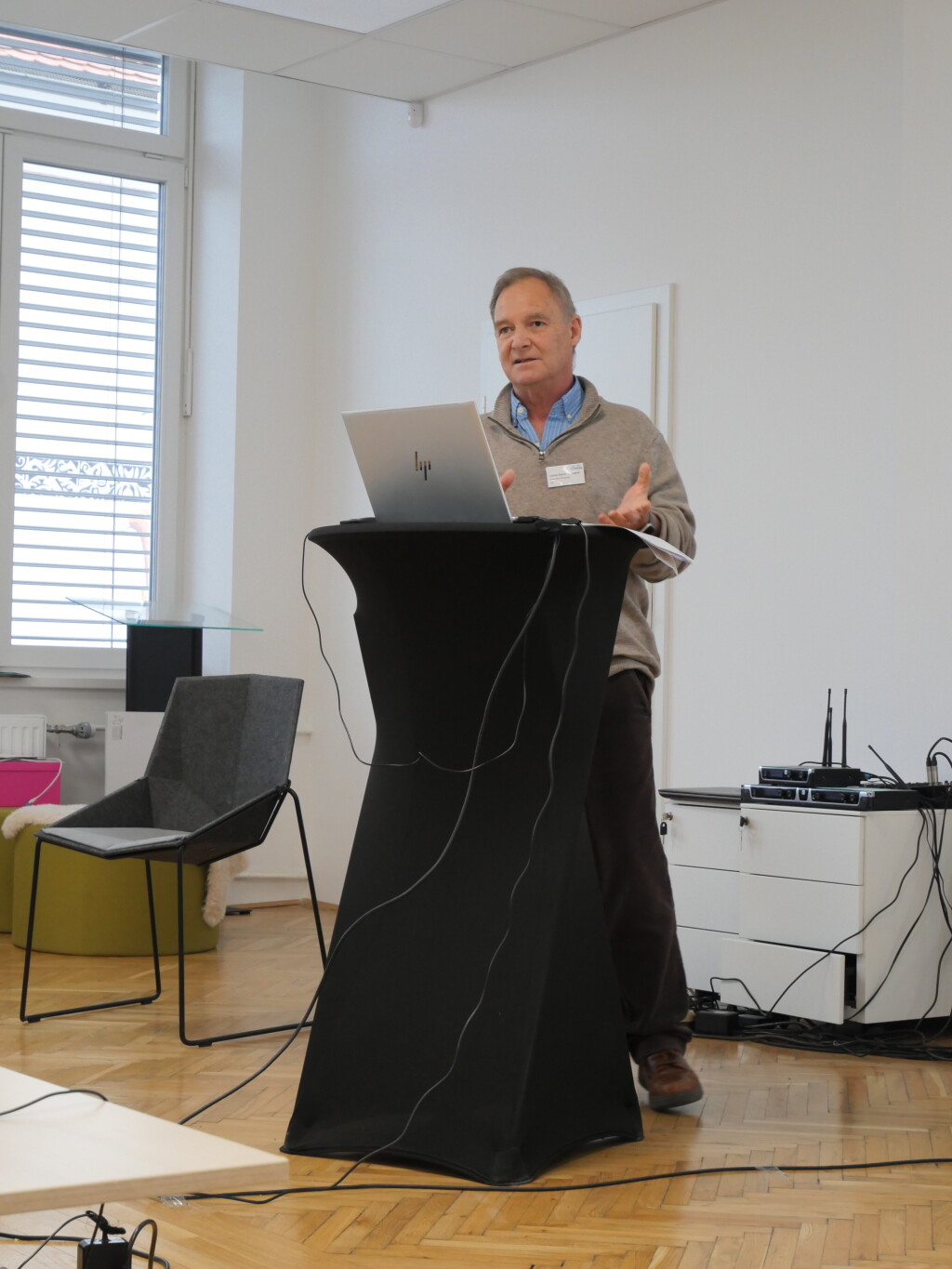
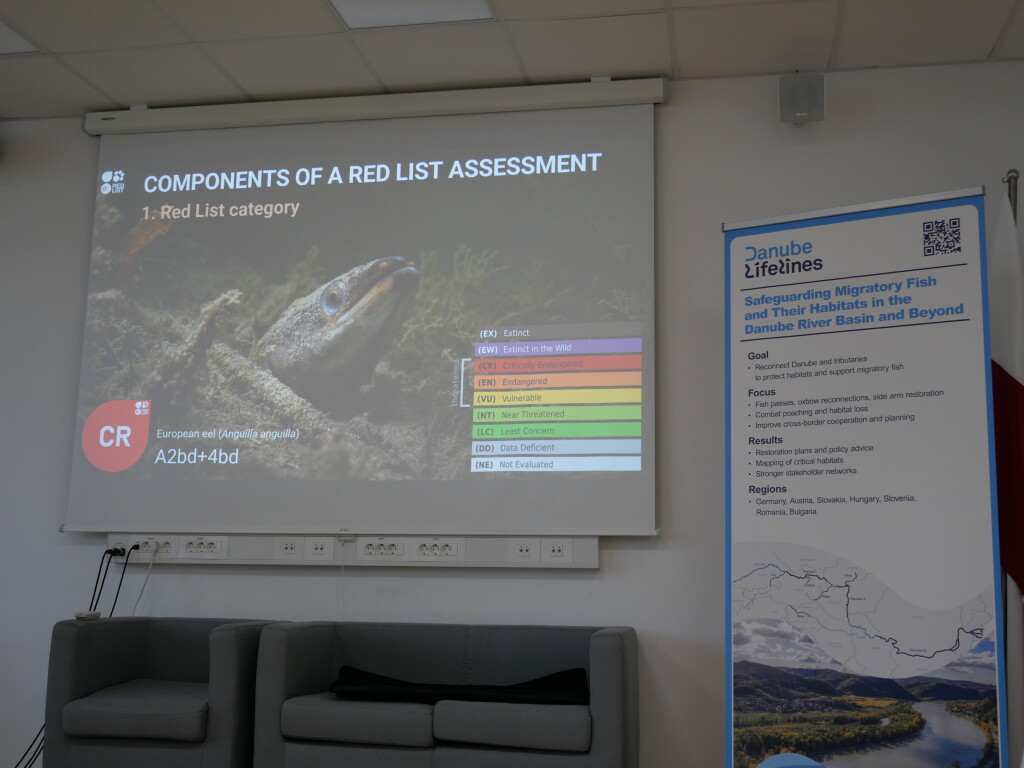
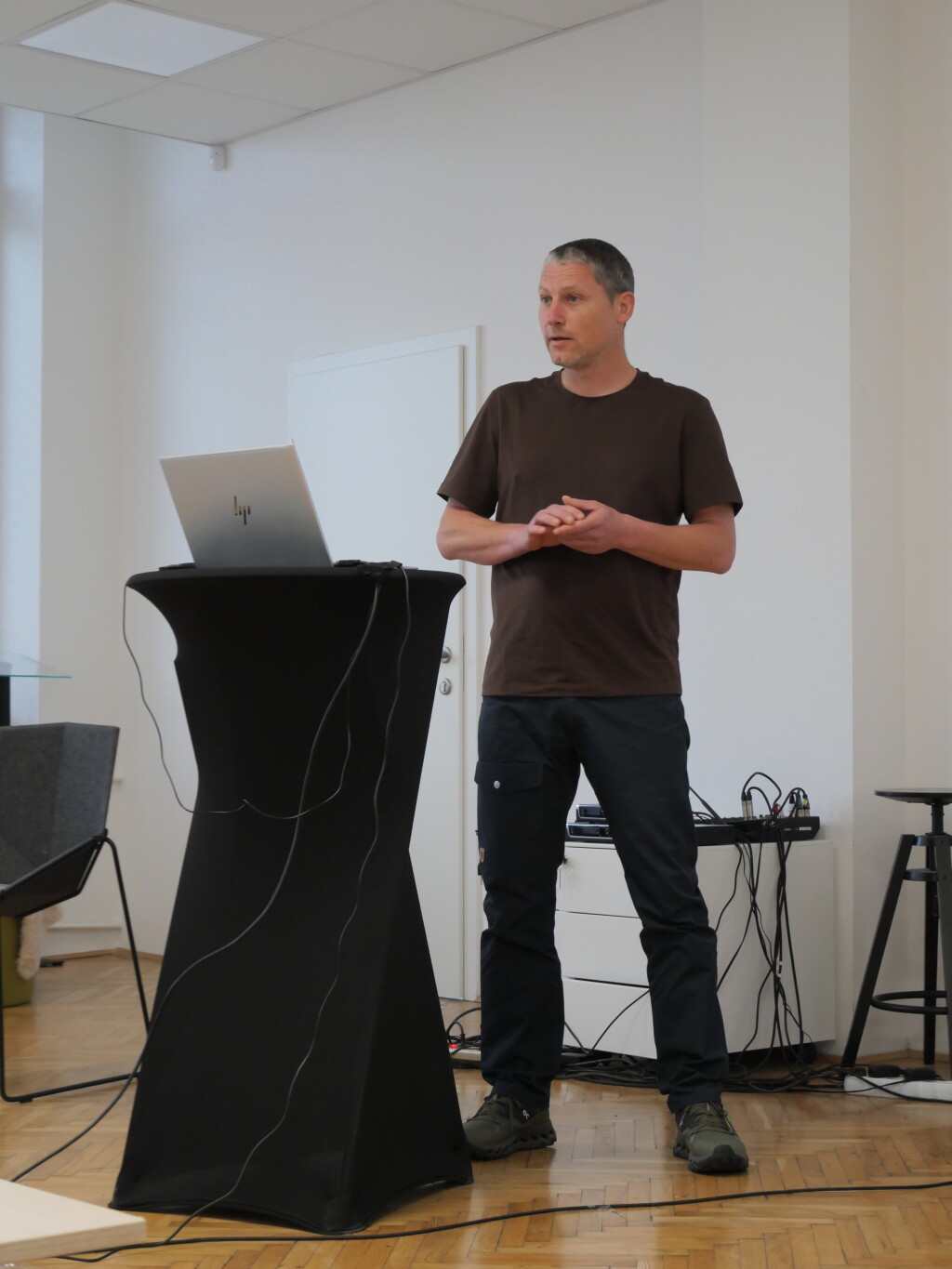
The workshop started with a presentation by Matt Ford, who coordinated the update of the IUCN red list of European Freshwater Fish, recently published in April 2026 (https://iucn.org/press-release/202604/almost-half-european-freshwater-fishes-risk-extinction-new-iucn-red-list ). He outlined the protocols used by IUCN to assess the conservation status of fish species.
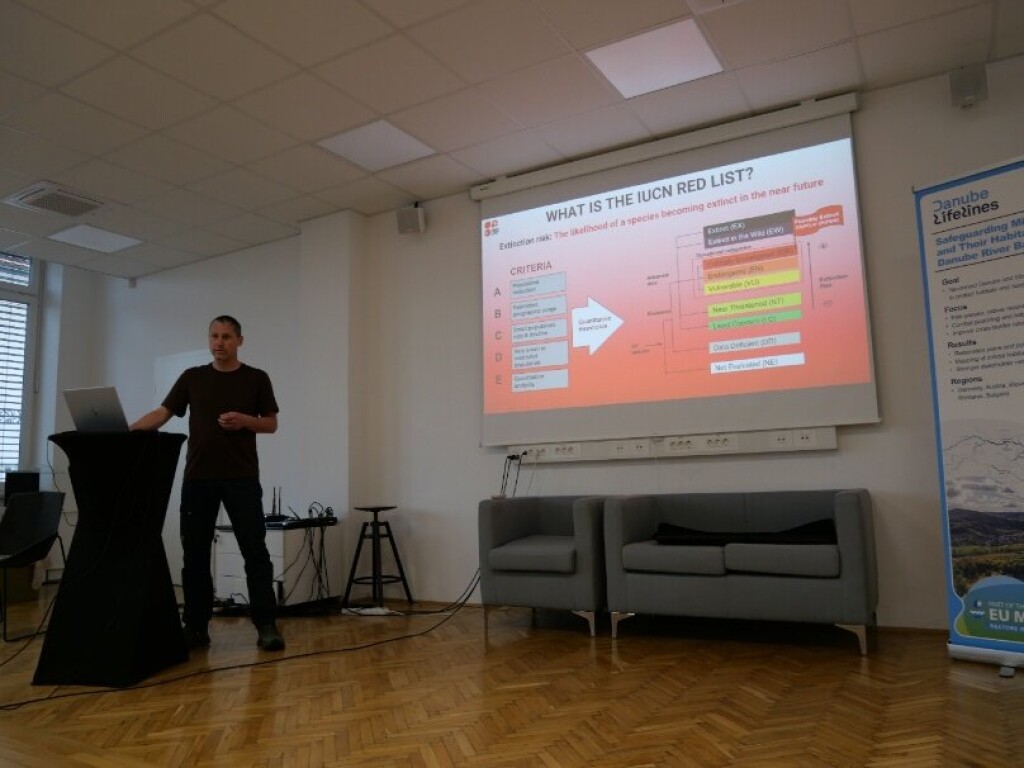
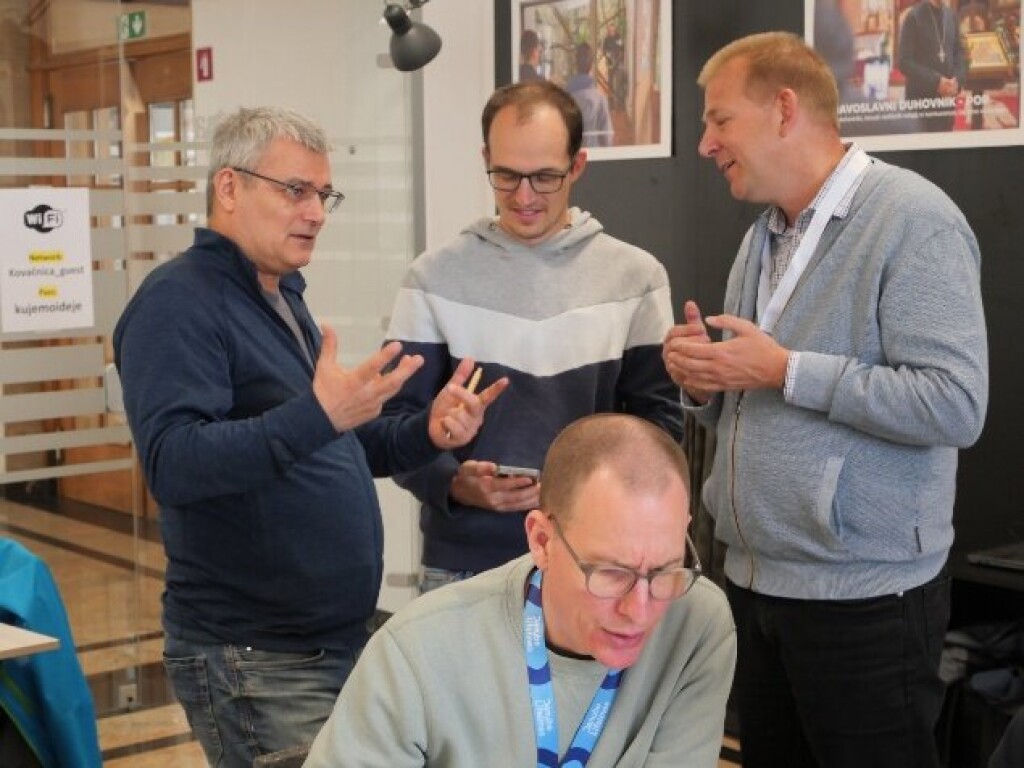
Thereafter all participants gave their independent expert opinions on the conservation status for each of the 21 Danube species considered by the DLL project, either for the entire Danube basin or specified by country. Experts also reported their confident level in their conservation assessment, the dominant threats, and the most likely population size forecast for the next 20 years. This was followed by a plenary session where group consensus was reached on conservation status, which was then compared to the IUCN status. The conclusion is that for most species the status assessments (IUCN vs Danube experts’ consensus) were identical, but for some species the conservation status given by the Danube experts was one class worse than across Europe . This outcome will have a follow up by Matt Ford who will contact experts whether the status of some species needs to be reconsidered. These are particularly species for which less is known.
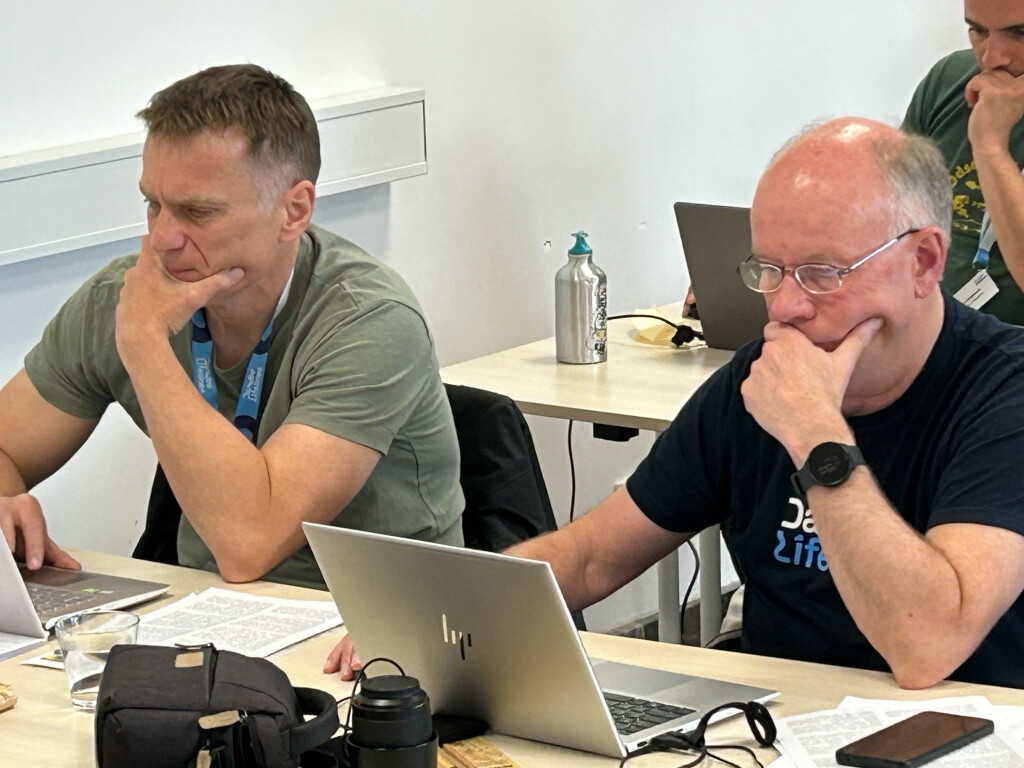
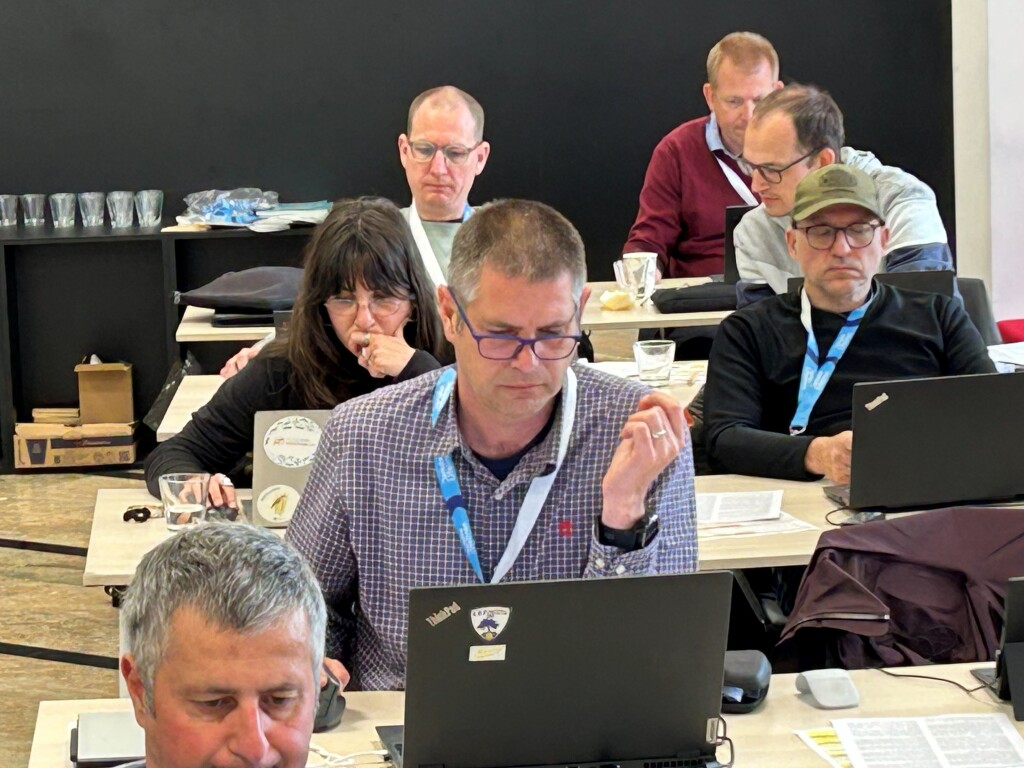
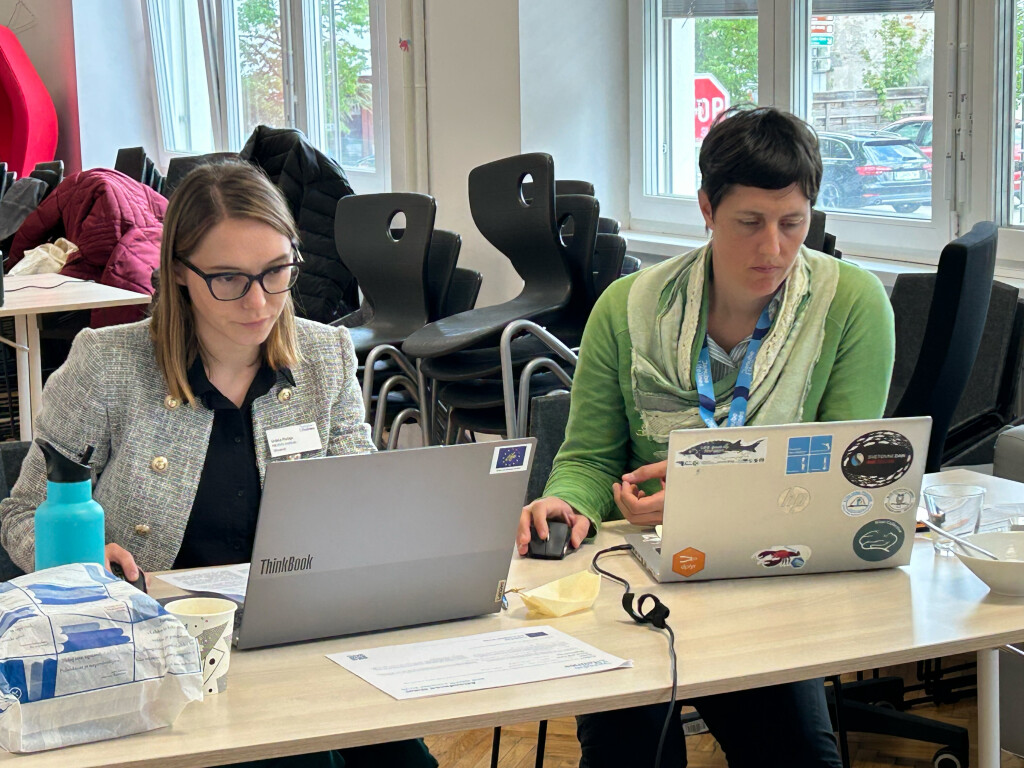
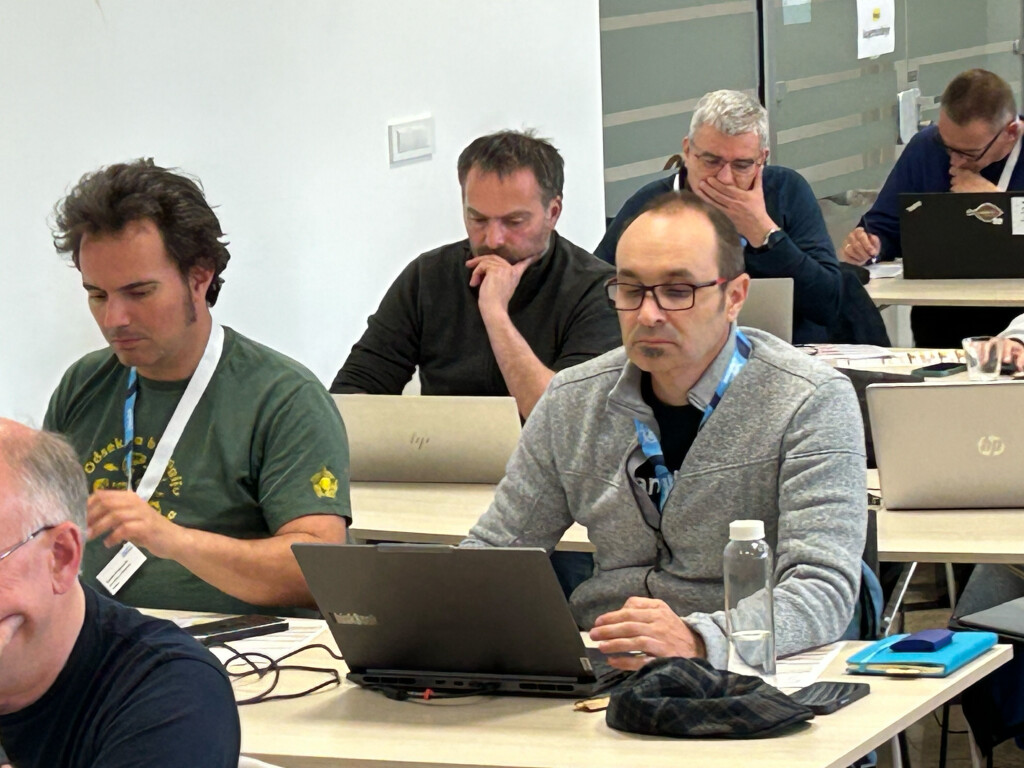
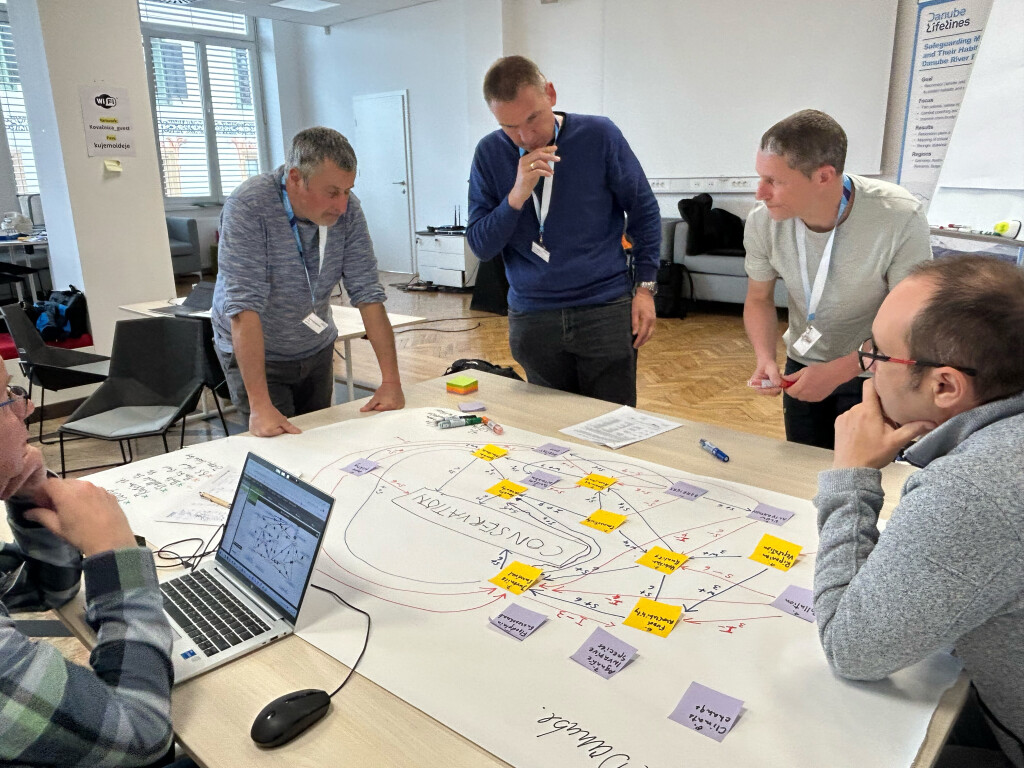
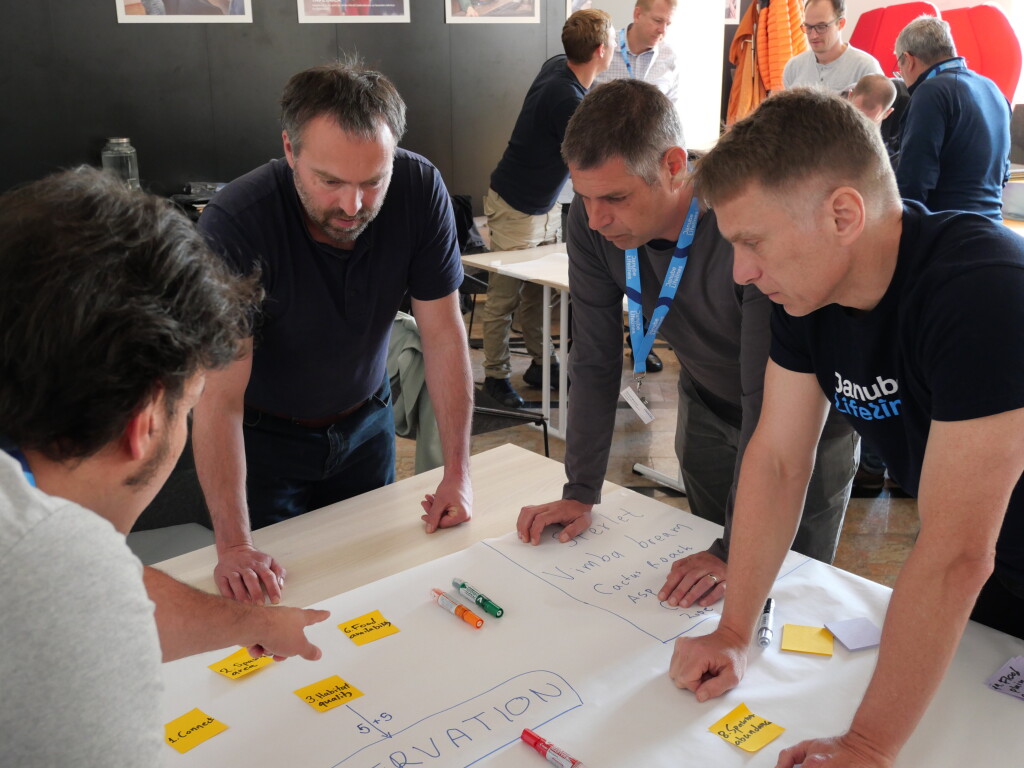
The second exercise of the workshop was the co-creation of Fuzzy Cognitive Maps (FCM) desined to capture the causal relationships between the conservation status of the fish species, their population traits and the environmental pressures. FCM is an effective tool to synthesize expert judgements. This was done for the upper, middle and lower part of the Danube basin and generated an overview of the pressures that impacted migratory fish the most. These included habitat loss, fragmentation and fisheries. The results of the workshop are now being processed and will form the basis of a forthcoming publication.
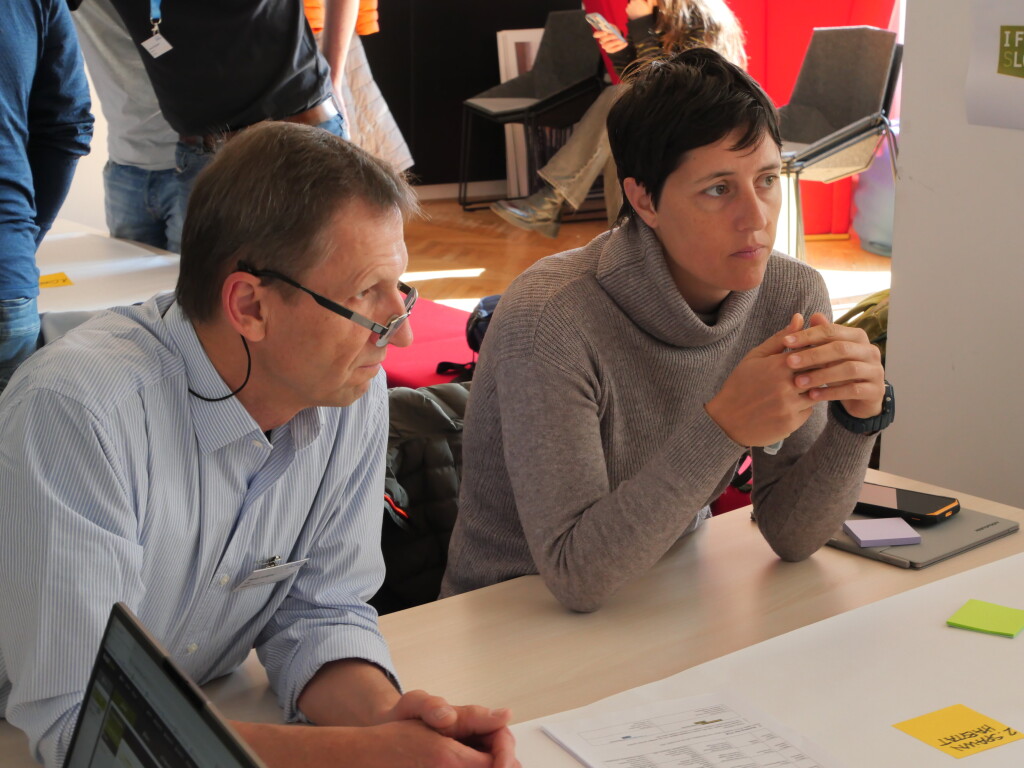
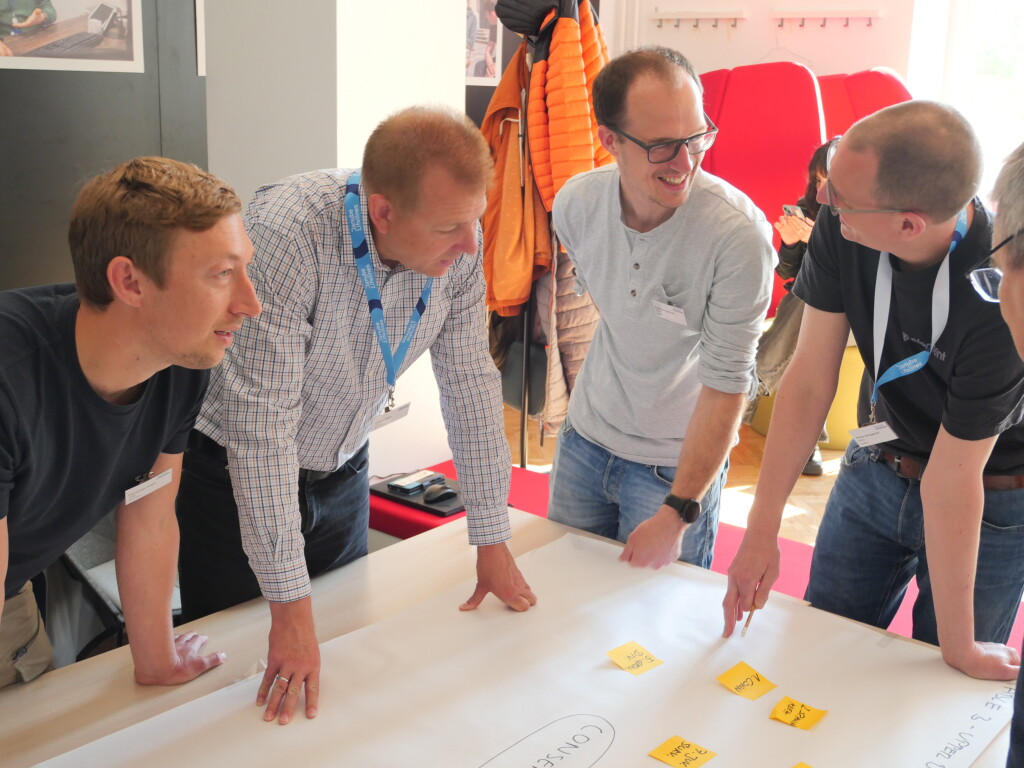
Delegates gave a positive feedback on the workshop and most found it very inspiring. This was greatly helped by the venue (coworking Kovačnica (https://kovacnica.si/en/ ) and the excellent organization of the workshops steering group, Urška Ratajc and Polona Pengal (REVIVO), Carlos Garcia de Leaniz and Arif Jan (Swansea University), Tom Buijse (Deltares) and Tibor Erős (Balaton Limnological Research institute).
