At the end of September the whole consortium met in Belgrade for the third time. Here is what we took home.
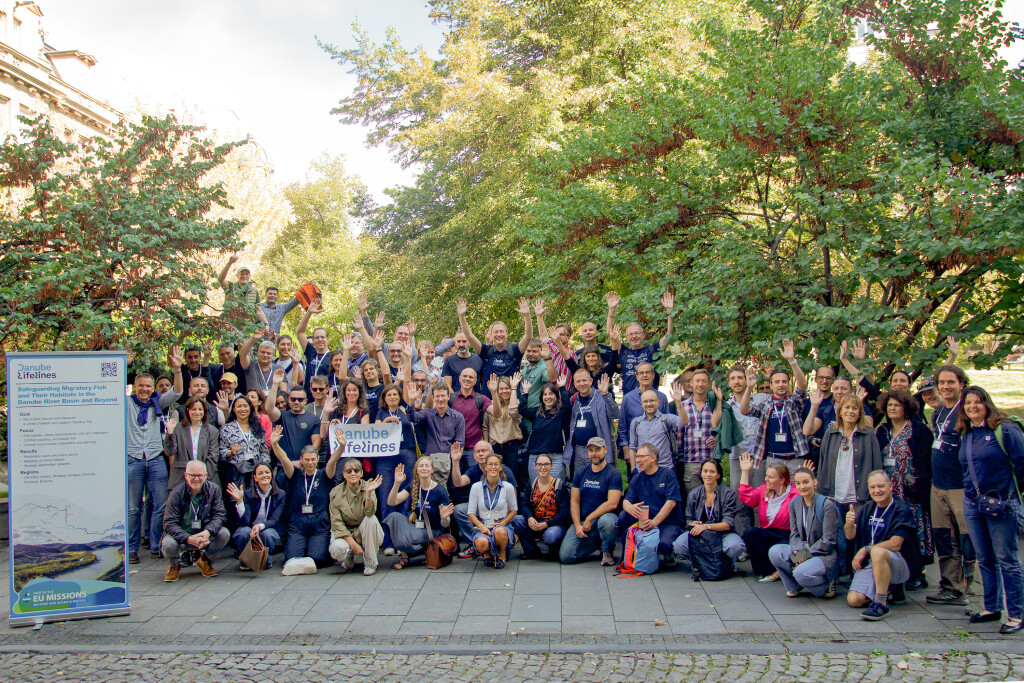
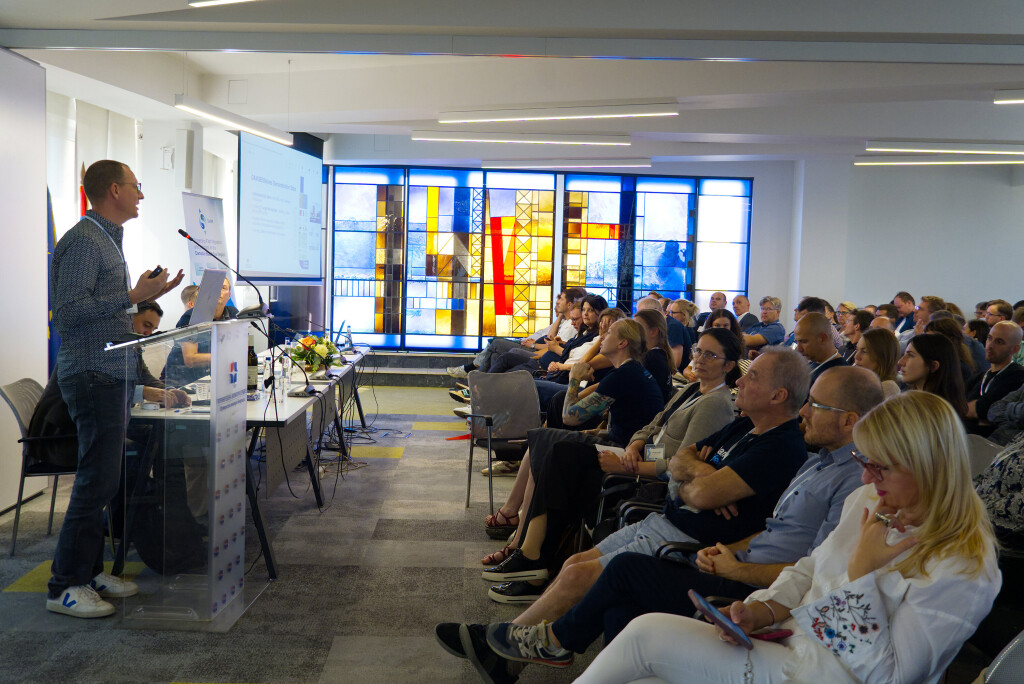
From 29 September to 1 October 2026, the DANUBElifelines partners gathered in Belgrade for our third All-Partner Meeting. Three days together gave us time to go beyond project updates: to ask questions, compare experiences and work out the next steps together. We made good use of that time in the sessions, in smaller groups and over coffee.
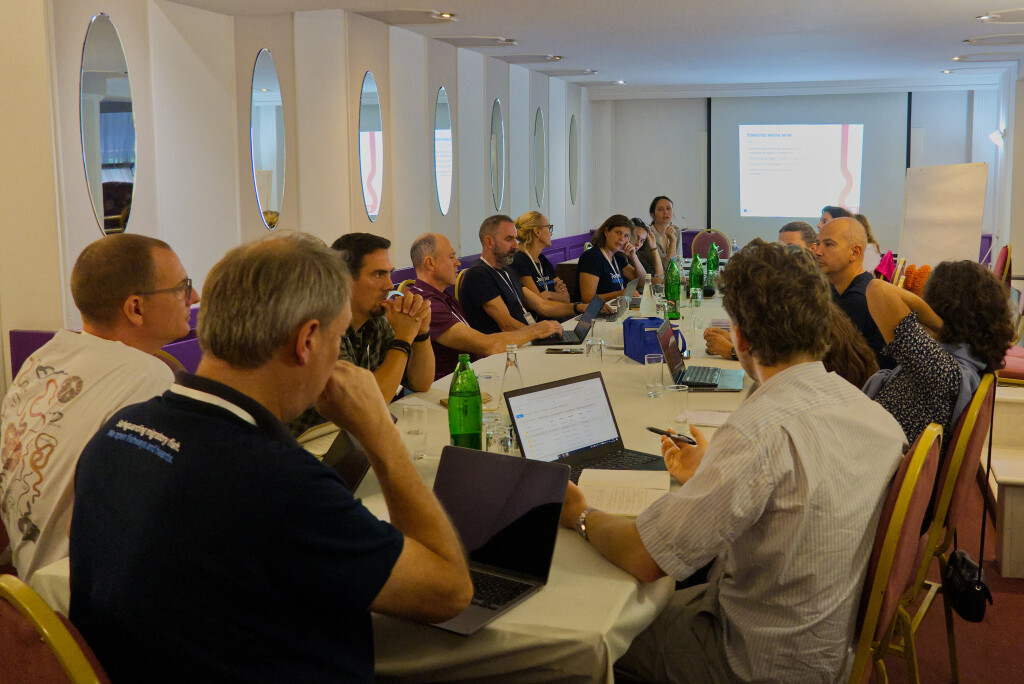
We shared progress from our eight demo sites, got to know our Associated Region partners and worked on plans for research, stakeholder engagement and communication.
Where can restoring river connectivity make the biggest difference?
Our research teams discussed how to connect barrier information with the habitats migratory fish depend on. Which interventions could reopen access to suitable habitat? Where could they bring the greatest benefit? And what is realistic, given how a barrier is used and what changing it would involve?
Partners agreed on the broad approach to assessing barrier impacts. Next comes refining the case study criteria and developing a method to prioritise barriers for removal or mitigation.
We also discussed how the future Danube fish migration and connectivity atlas can make this knowledge useful for restoration and policy decisions, with input from the International Commission for the Protection of the Danube River (ICPDR) during its development.
Getting to know our Associated Regions
One of the highlights was meeting our Associated Region partners in person and hearing more about their rivers, their work and the challenges they face.
The conversations made one thing clear: there is plenty to learn from each other.
Together, we began shaping how replication roadmaps can help each region use relevant DANUBElifelines findings at home. The next step is to finalise the outline and identify where closer exchange with demo sites and research teams would be most useful.
Listening to the people who know their rivers
Stakeholder interviews are nearing completion across most demo sites. They are raising practical questions about restoration.
These findings will inform the policy gap analysis and help shape future workshops and a proposed monthly webinar series. The ambition is to create useful dialogue around stakeholders’ needs, with short expert contributions and substantial time for moderated discussion.
Partners also explored opportunities to connect workshops with entrepreneurial bootcamps, bringing restoration needs into discussions about business ideas and financing, especially where audiences and topics overlap, combining activities makes sense.
Making project results easier to share and use
Some of the project’s most useful stories are already taking shape - in fieldwork, monitoring, local initiatives and the people behind them.
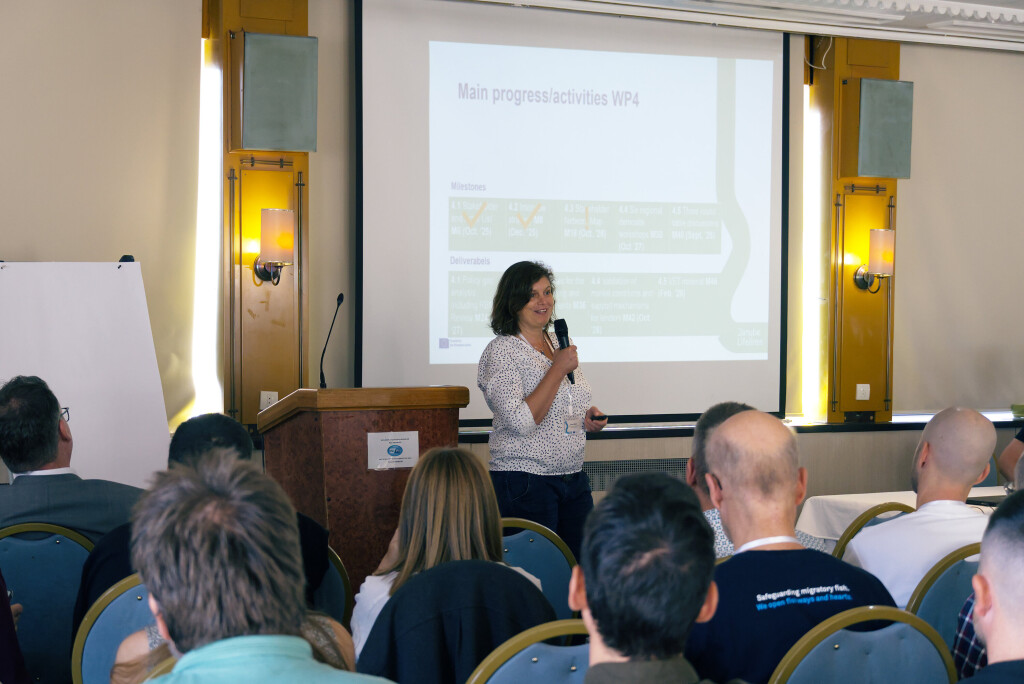
Our communication session focused on what we can share as the work develops. Partners reviewed the communication opportunities and these inputs will feed into the communication plan for the next project periods.
Finding connections with SWIM
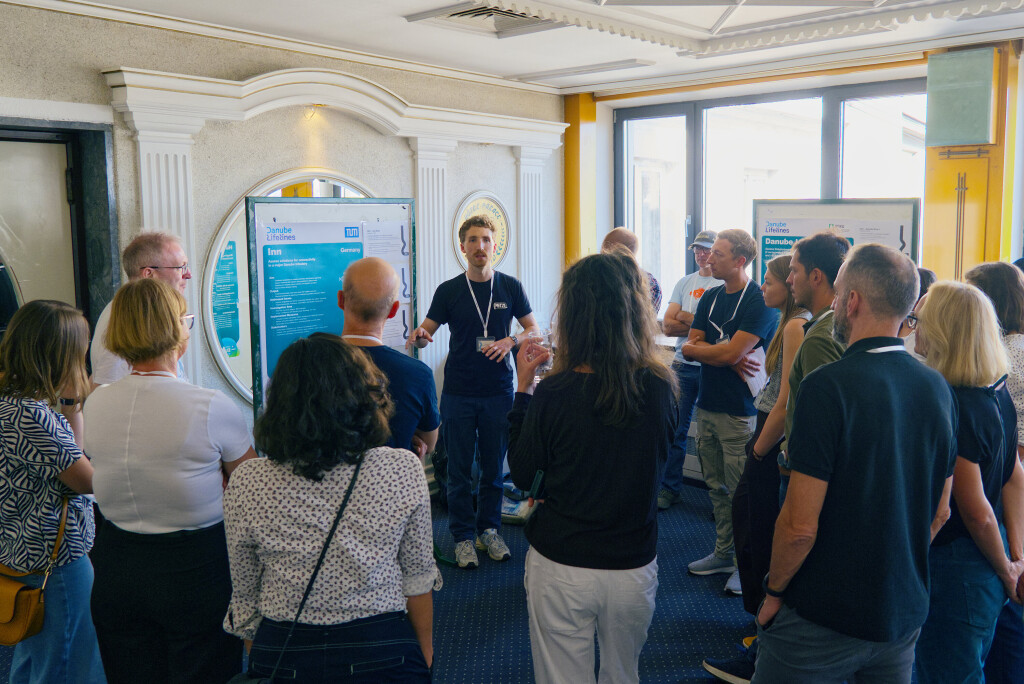
On Wednesday afternoon, we joined the SWIM project at the Serbian Chamber of Commerce to compare our demo sites and pilots and discuss stakeholder engagement.
Stakeholder fatigue was a shared concern. When projects knock on the same doors, it helps to compare notes before knocking again. We explored where coordinating activities and communication could make participation more useful for everyone involved.
The conversations continued during a shared dinner cruise on the Danube, with time to get to know colleagues from sister project.
We will take a closer look at the exchange with SWIM and the opportunities for cooperation in a separate article.
What´s next?
We left Belgrade with fresh ideas, useful input and a longer to-do list. Now, let’s put it all to work! And we might see you at meeting Danube Lighthouse Cluster Workshop with ICPDR and other Danube projects in Vienna on 29 October.
