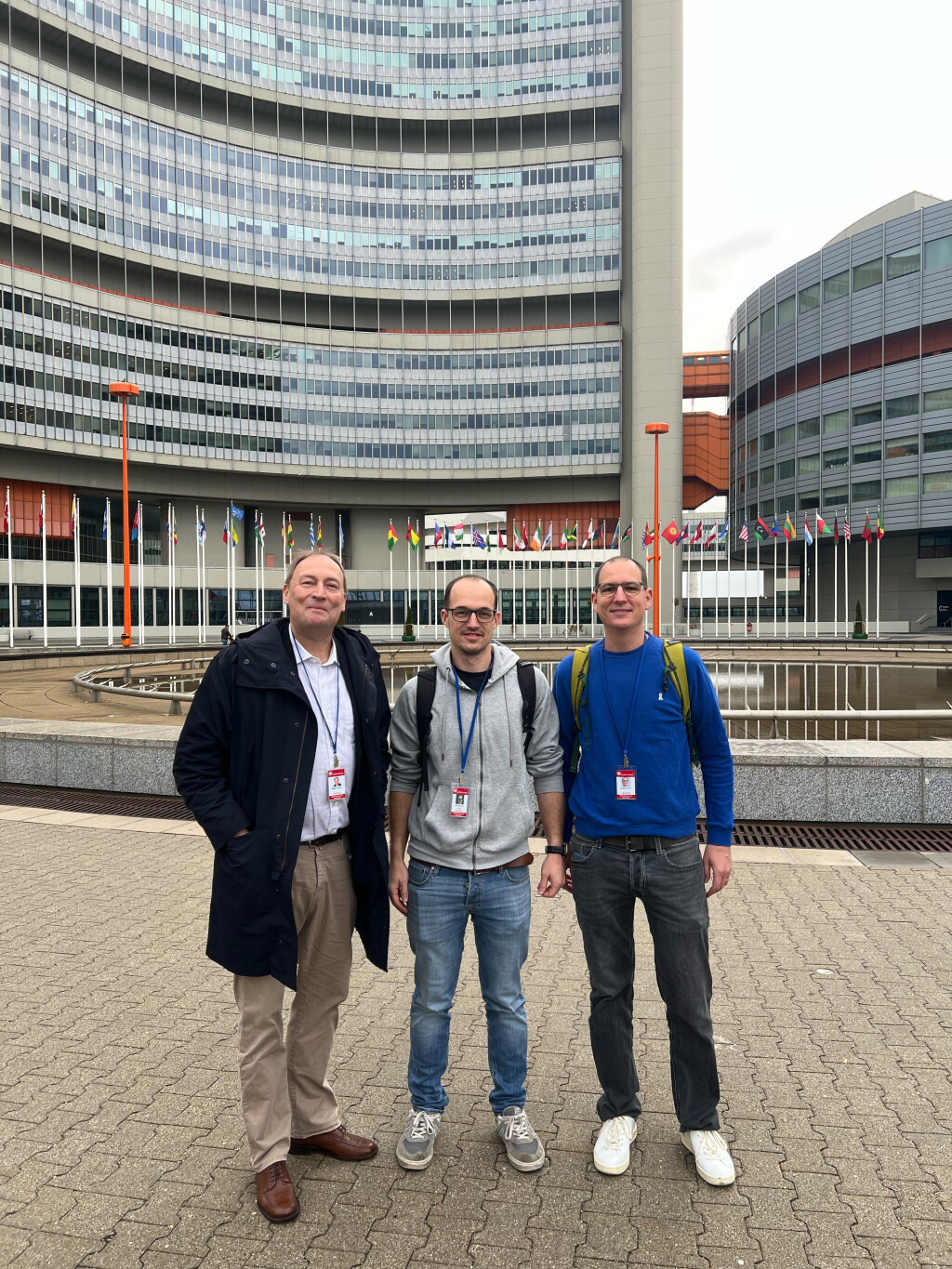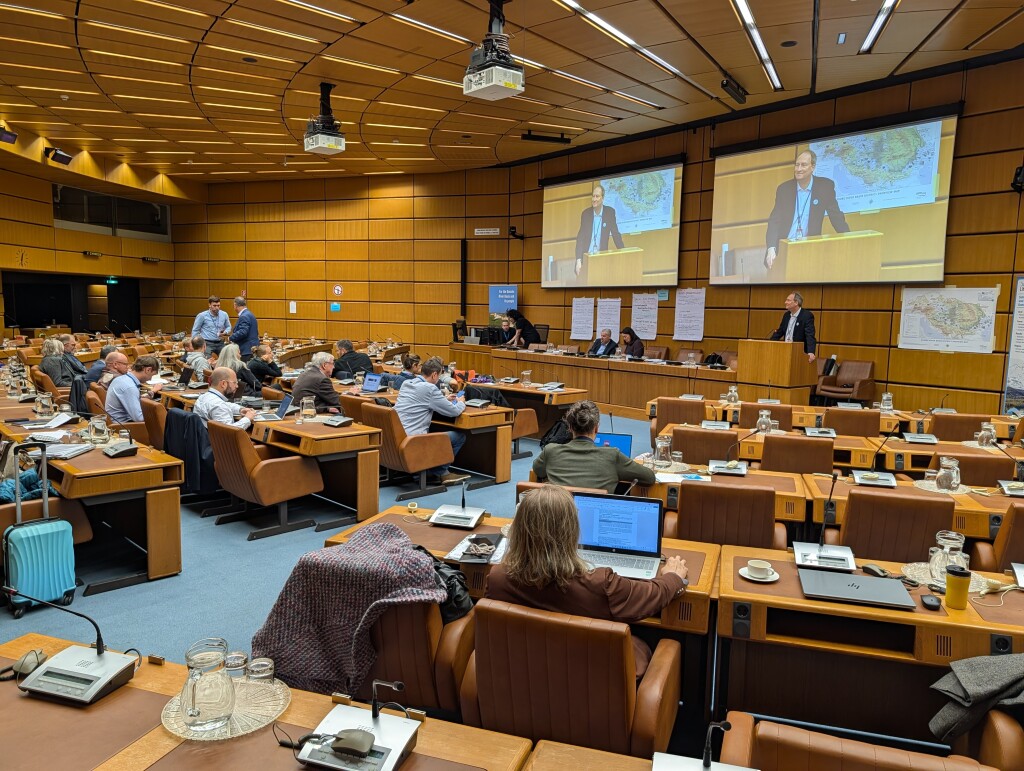
A tool developed in one project could be useful to another. Data collected at a demonstration site could inform decisions elsewhere in the basin. Finding these connections was at the centre of the first Danube Lighthouse Cluster Workshop in Vienna.
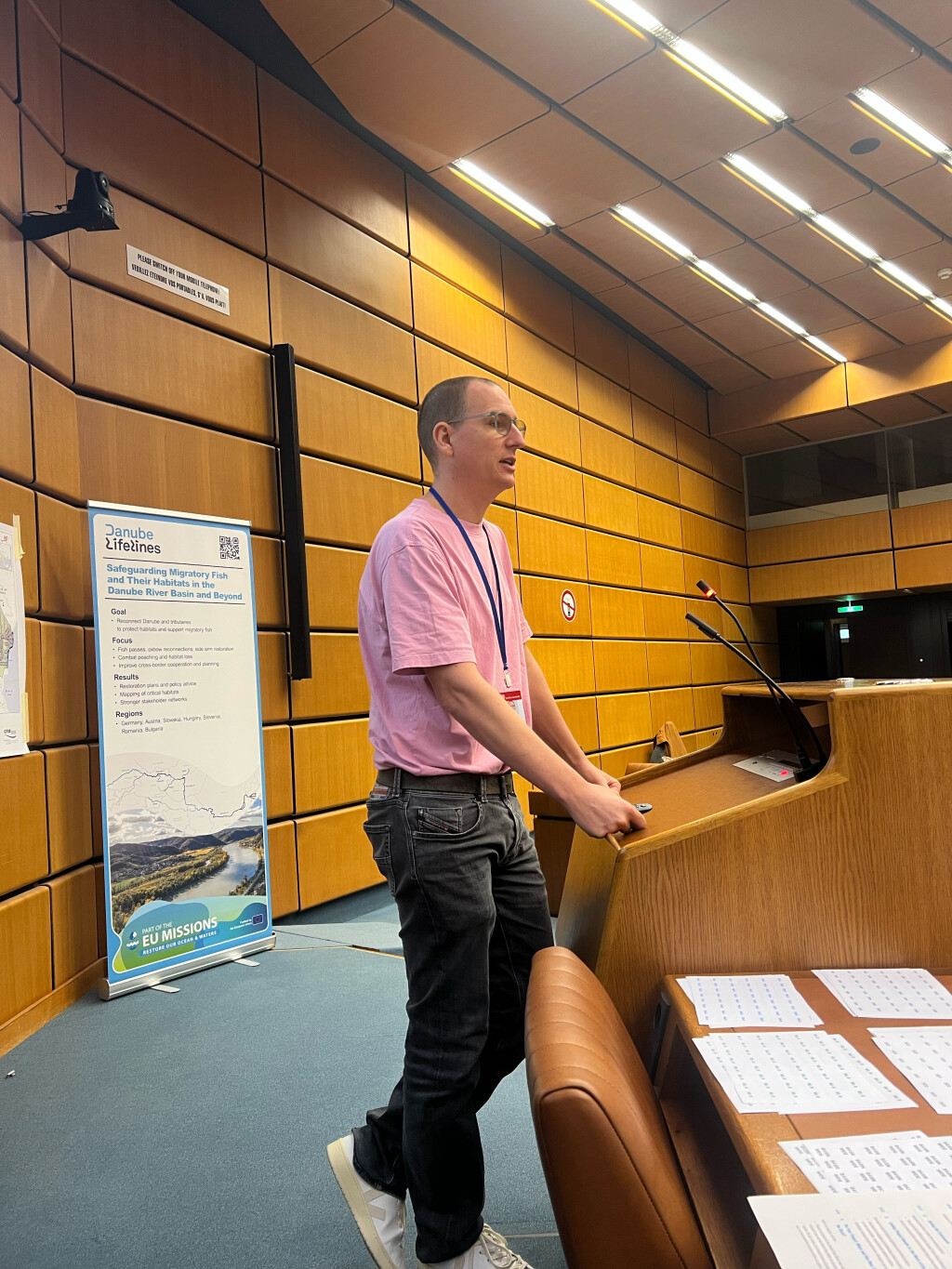
On 29 October 2026, DANUBElifelines organised the workshop at the Vienna International Centre in cooperation with the International Commission for the Protection of the Danube River (ICPDR). It brought together 11 European projects working on river restoration and related topics as a joint Danube–Black Sea Lighthouse activity.
Held in connection with the ICPDR River Basin Management Expert Group meeting, the four-hour exchange explored how research and practical experience could support river basin management. Its title set the focus: “Connecting Rivers, Species and Knowledge: Scientific Synergies and Implementation Lessons from Danube Restoration Projects”.
Putting projects on the map
Where are projects working, and where do their activities overlap?
The “Pin Your Project” exercise made those connections visible. Project teams mapped their geographical areas, demonstration sites, restoration activities and expected impacts across the Danube River Basin. Work on migratory fish appeared alongside sediment management, wetland restoration, biodiversity monitoring and nature-based solutions.
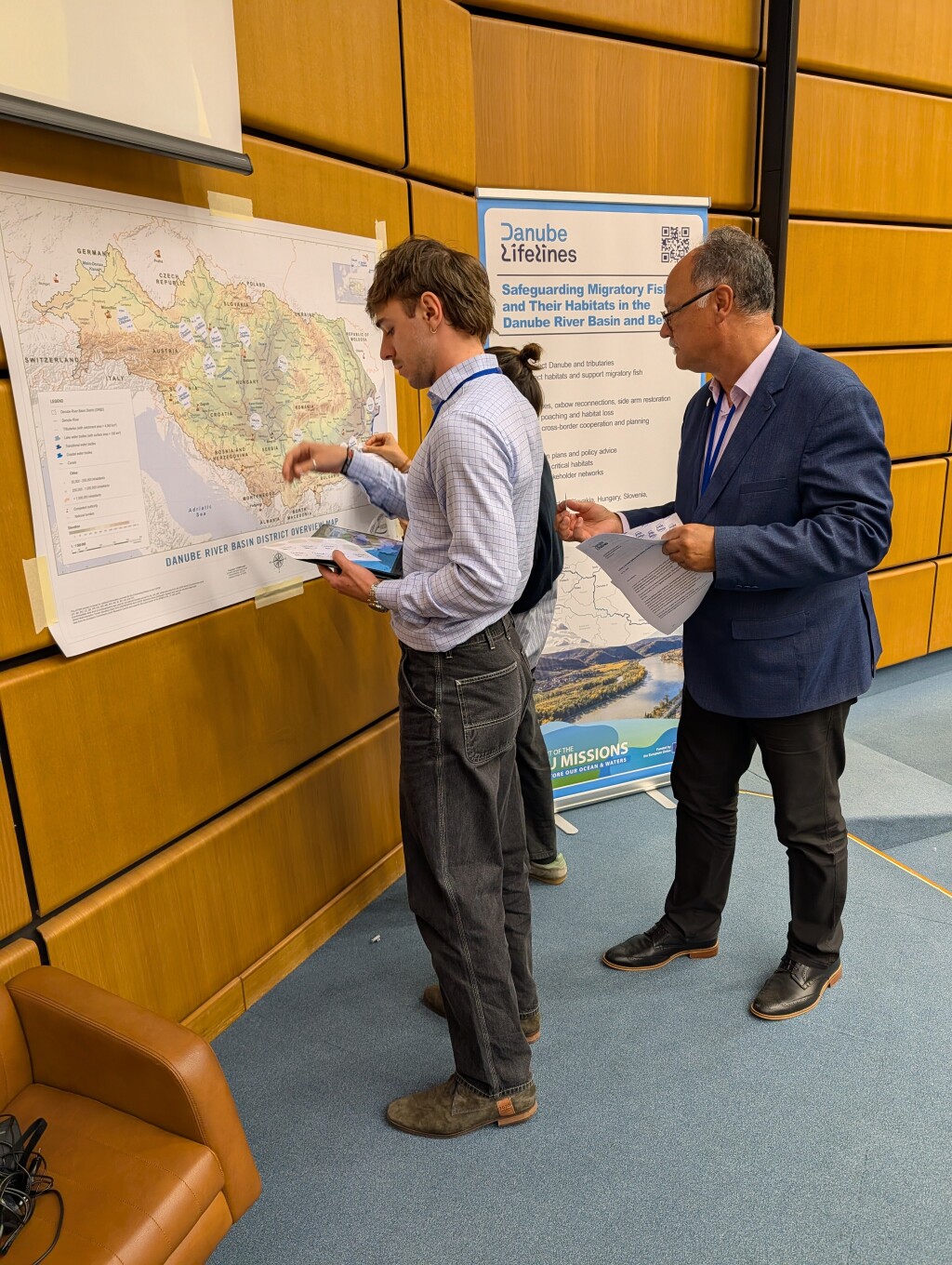
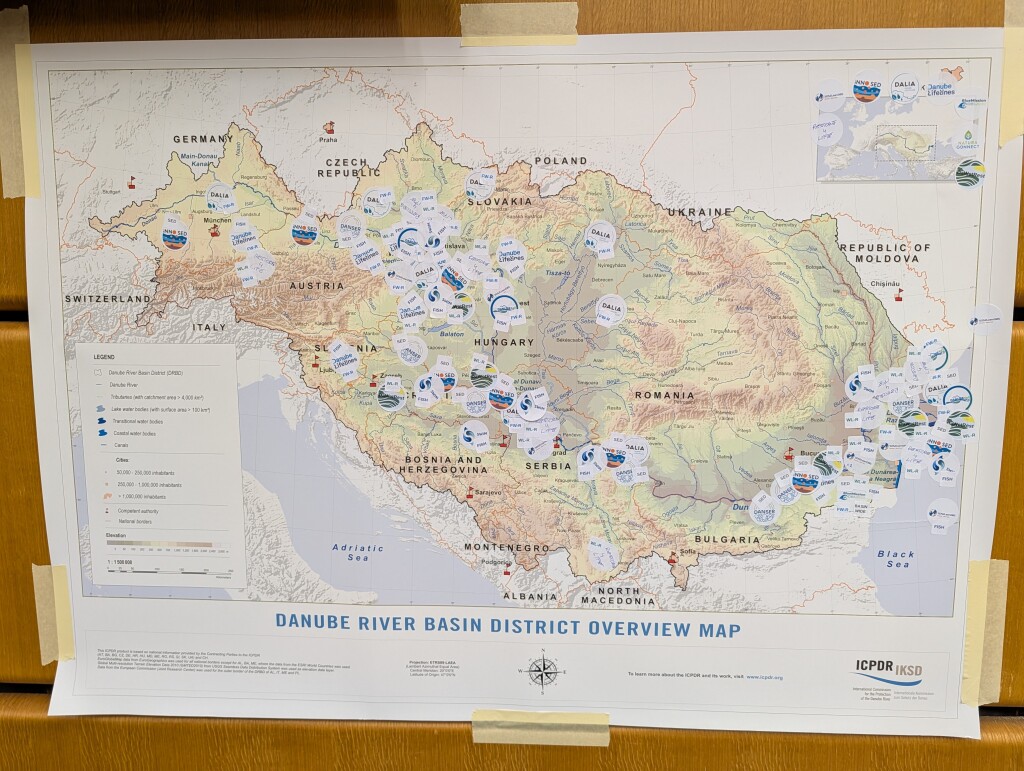
The map helped reveal shared interests, potential gaps and opportunities to exchange data, tools and experience. It also gave a geographical context to the project overviews and the ICPDR’s introduction to its priorities and the Danube River Basin Management Plan process.
From project findings to river basin management
The next question was how to make this knowledge useful beyond individual projects.
Three breakout groups explored sediment management, river connectivity and habitat restoration. Across these discussions, a common concern emerged: data and tools need to be accessible, compatible and available over the long term. Differences in indicators, terminology, monitoring approaches and spatial data can make findings harder to compare and combine across countries.
There was also the question of what happens after a successful demonstration. Can the same approach work in another location? What would it take to apply it at a larger scale? The discussions highlighted the need to assess transferability and scalability, and to support technical measures with appropriate governance, financing, stakeholder participation and policy mechanisms.
Opportunities to work together
Several proposals for further cooperation emerged from the exchange.
A shared overview of project tools and datasets, together with links between existing portals, could make resources easier to find and access. Closer connections with ICPDR expert groups and clearer workflows for exchanging results with national authorities were also proposed.
Ideas for joint work included policy messages, shared knowledge products, thematic task forces and future cluster events. Coordinating stakeholder engagement was another concern, with a need to avoid duplication and stakeholder fatigue.
The workshop gave project teams a direct exchange with people involved in managing the Danube basin, while giving the ICPDR a clearer view of available and forthcoming project results. It established a basis for continued cooperation around the knowledge and tools these projects can contribute.
Thank you to BlueMissionDBS2030, DALIA, DANSER, Danube4All, DaWetRest, DANUBElifelines, innoSED, NaturaConnect, Restore4Life, SOS2LEARNDBS and SWIM for contributing to the exchange, and to the ICPDR for its cooperation and support.