Study scope and comparative design
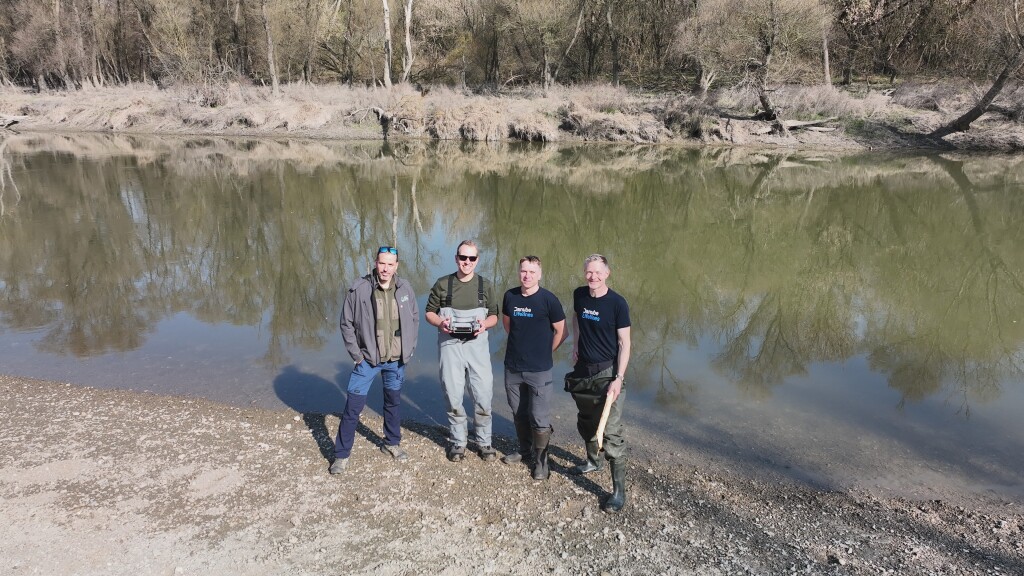
Within the DANUBElifelines project, Work Package 3 (WP3) conducts a harmonised, large-scale field study across the Danube River Basin to investigate the ecological conditions of spawning habitats for migratory fish species, including barbel (Barbus barbus), nase (Chondrostoma nasus), and Danube salmon (Hucho hucho).
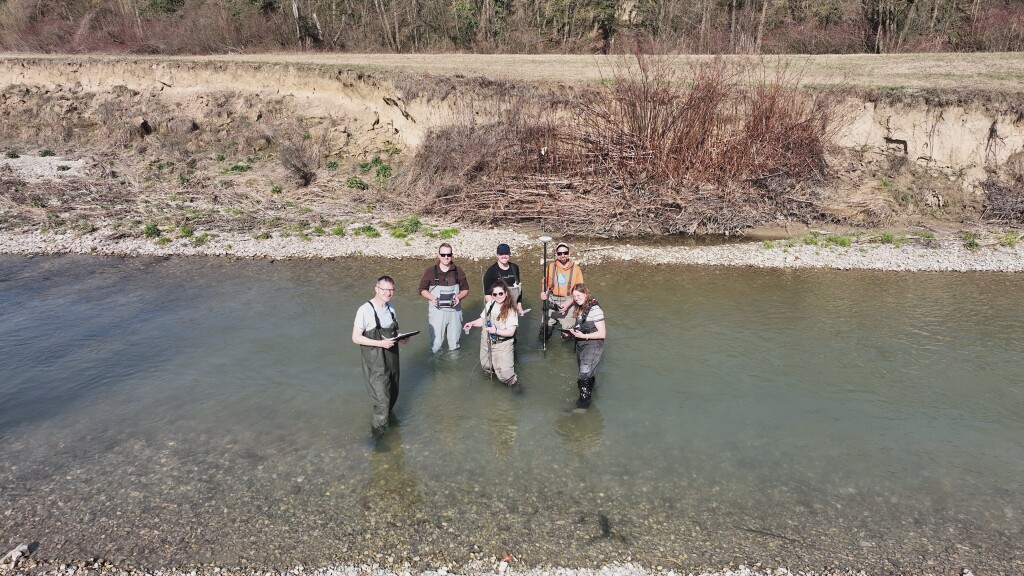
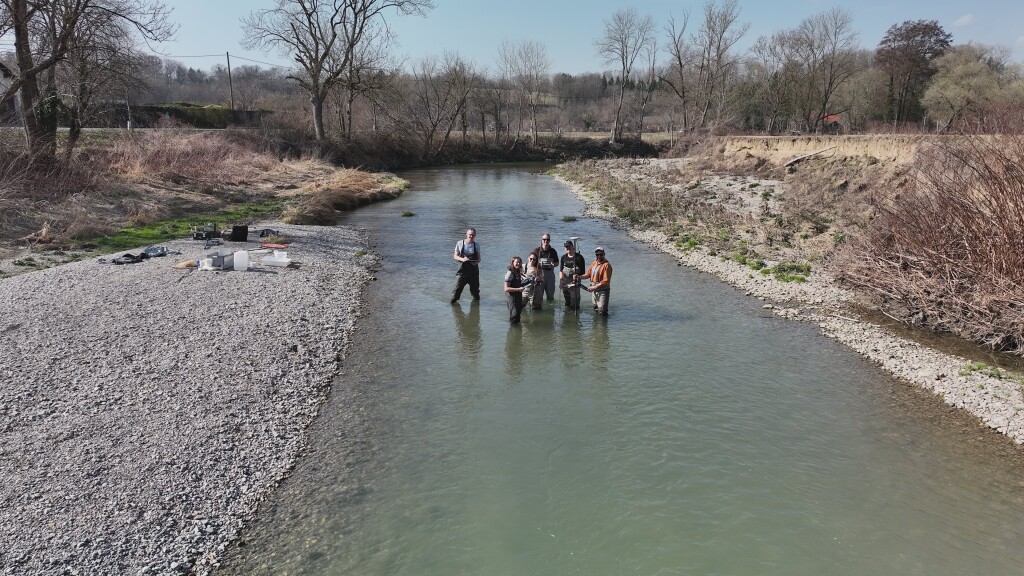
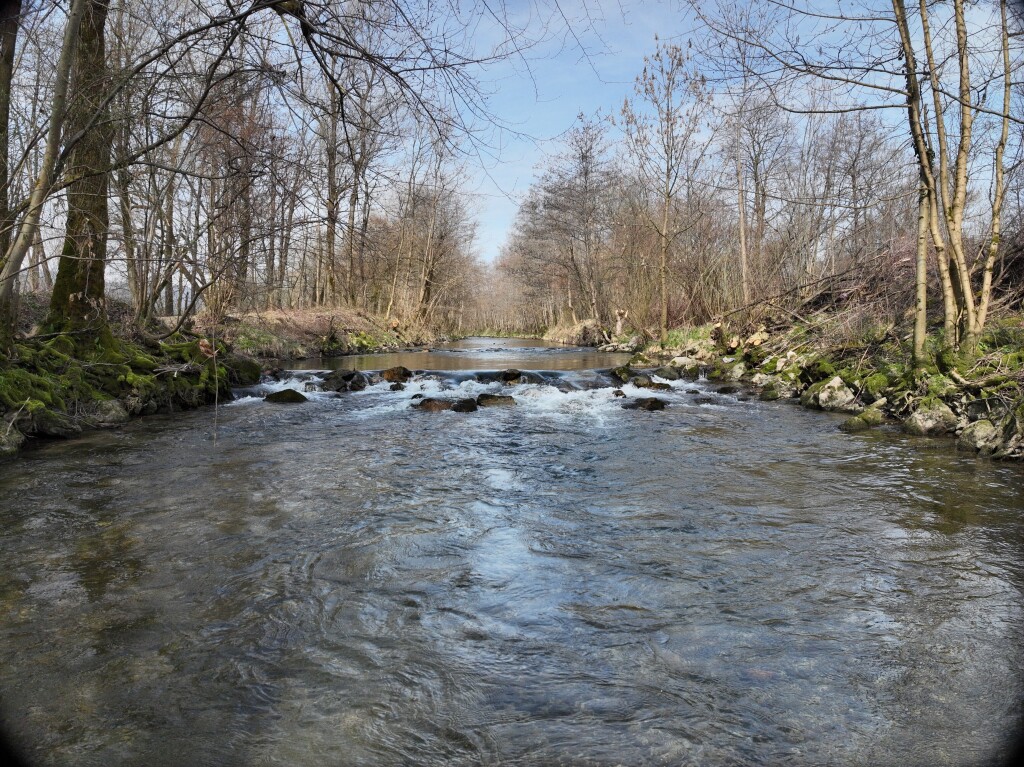
The study follows a standardized design implemented across 18 paired study sites. At each location, one “best available” spawning habitat is compared with a nearby degraded site under comparable hydrological, morphological, and water quality conditions. This approach allows us to directly assess how habitat quality influences spawning success.
Multi-scale habitat assessment methods
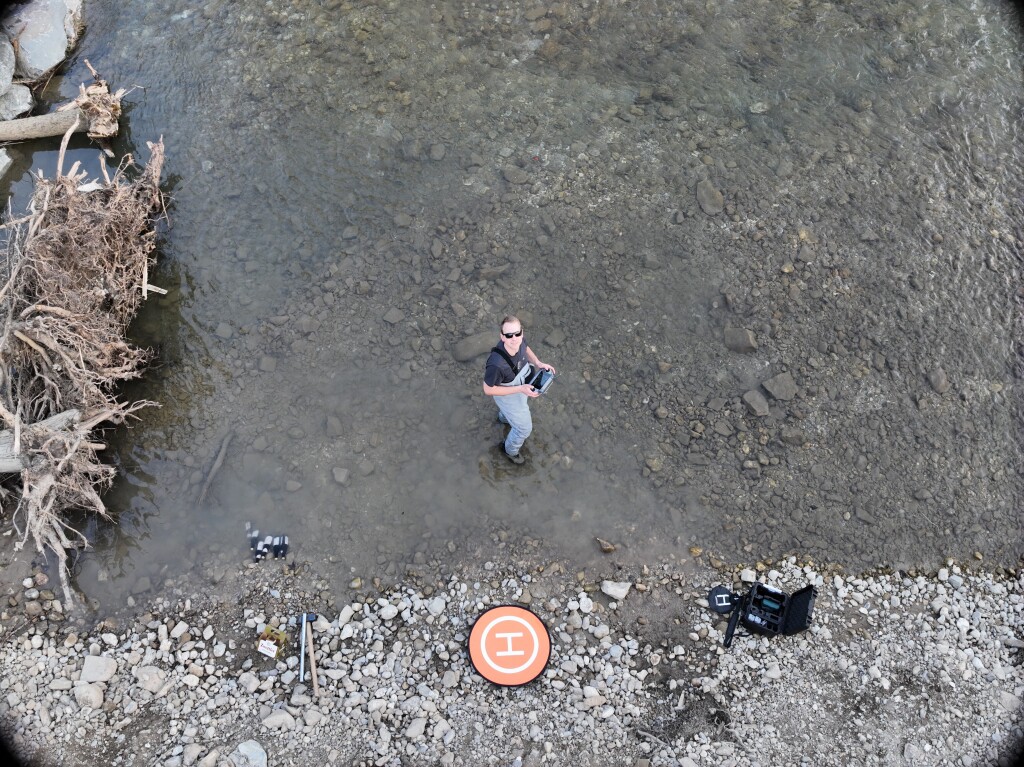
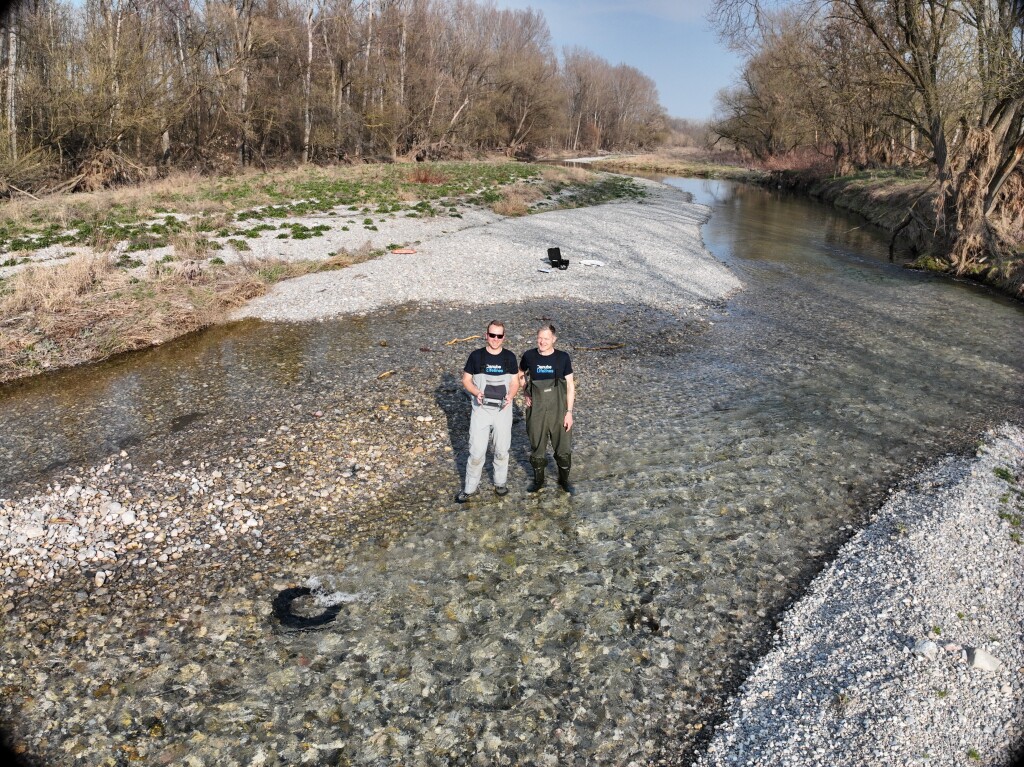
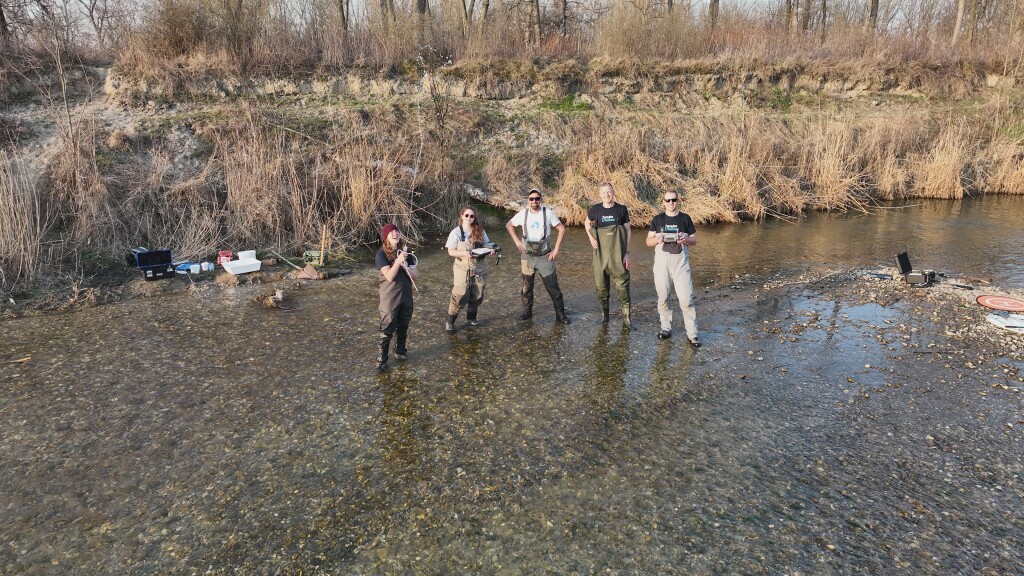
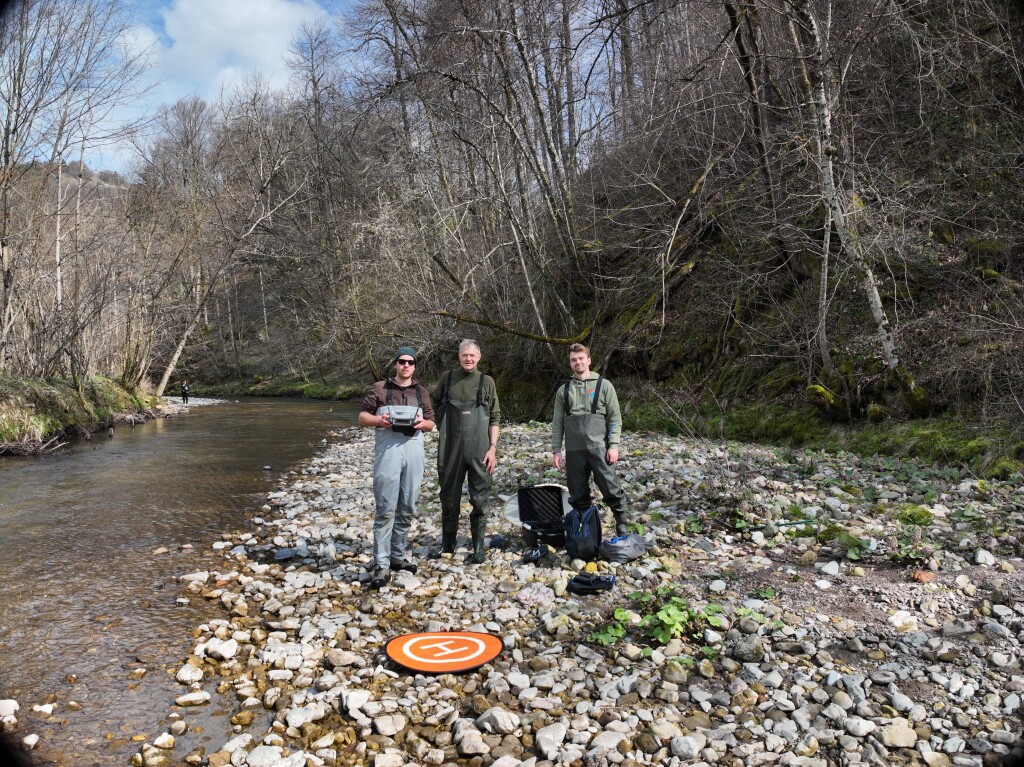
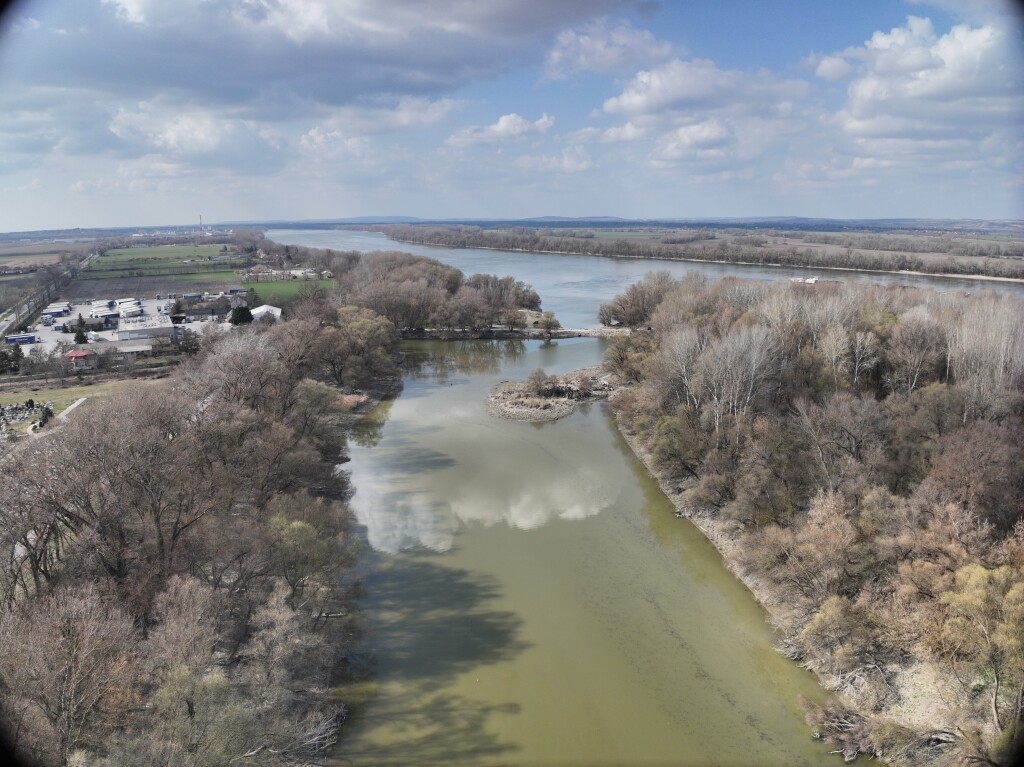
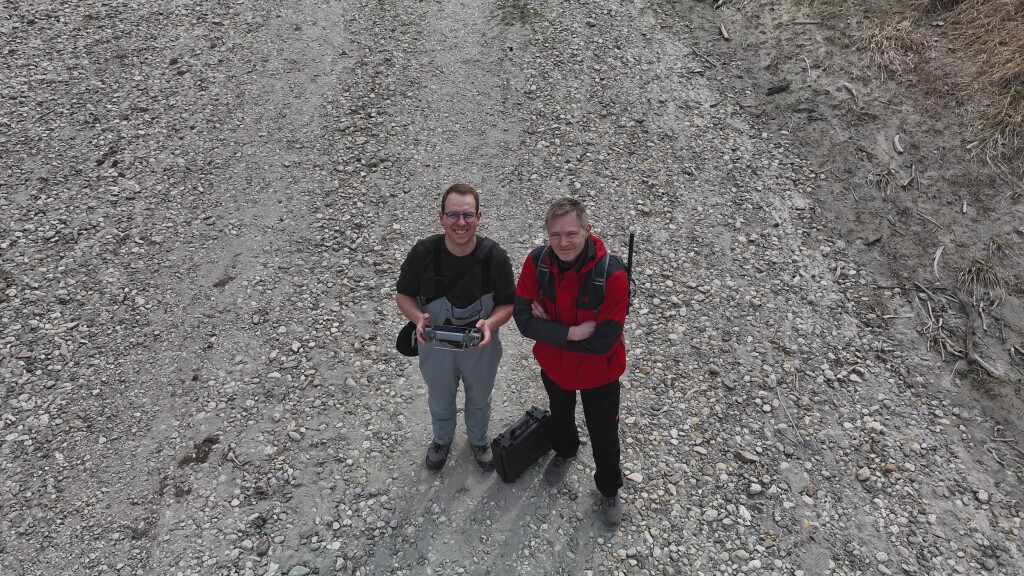
A key component of the study is high-resolution drone-based habitat mapping. Using aerial surveys, we analyse mesohabitat composition along river stretches of approximately 1 km. Structural features such as gravel bars, side channels, flow diversity, and substrate distribution are mapped consistently across all sites, providing a spatially explicit basis for further analysis.
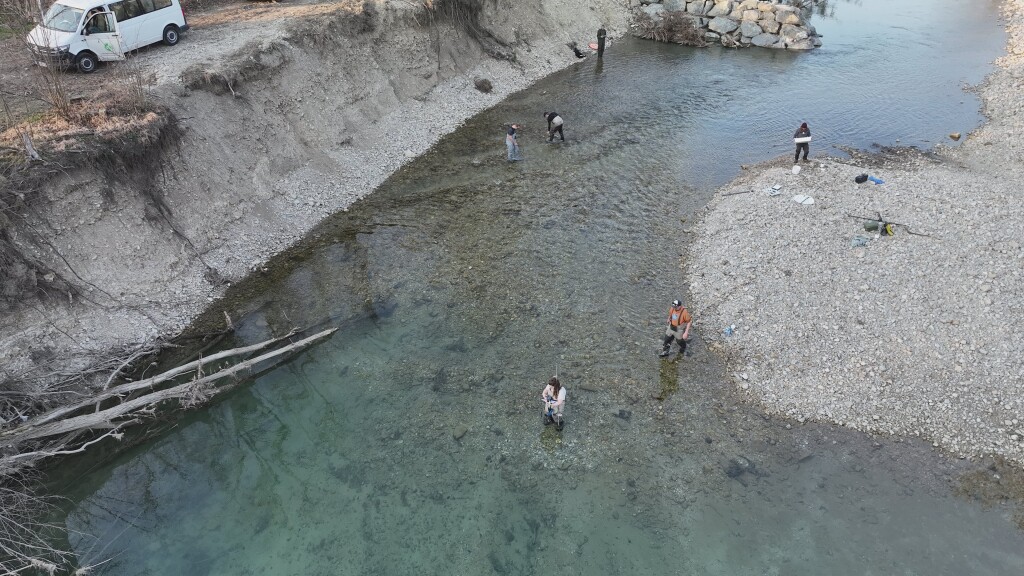
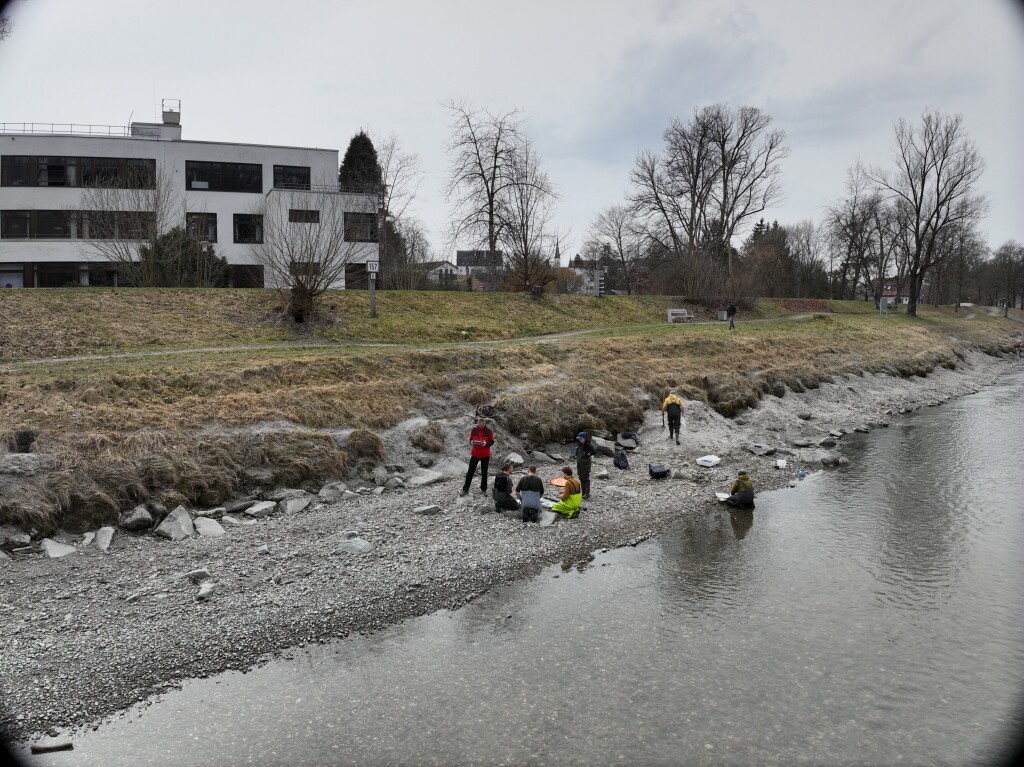
These large-scale datasets are complemented by detailed in-situ measurements at the spawning grounds. Parameters include substrate composition (grain size distribution), physico-chemical conditions of interstitial water (oxygen, temperature, conductivity), hydromorphological characteristics, and biological communities such as benthic invertebrates and fish fauna (assessed via electrofishing).
Objectives and application for river restoration
The objective of this joint field study is to identify the key abiotic and biotic parameters that define functional spawning habitats and to quantify how degradation affects both target species and broader ecosystem processes. In addition, the study evaluates potential side effects on biodiversity and ecosystem services.
All data are collected using harmonised protocols across countries, ensuring comparability. The resulting dataset will be centrally managed and analysed, forming a robust scientific basis for transnational river restoration strategies and future joint publications.