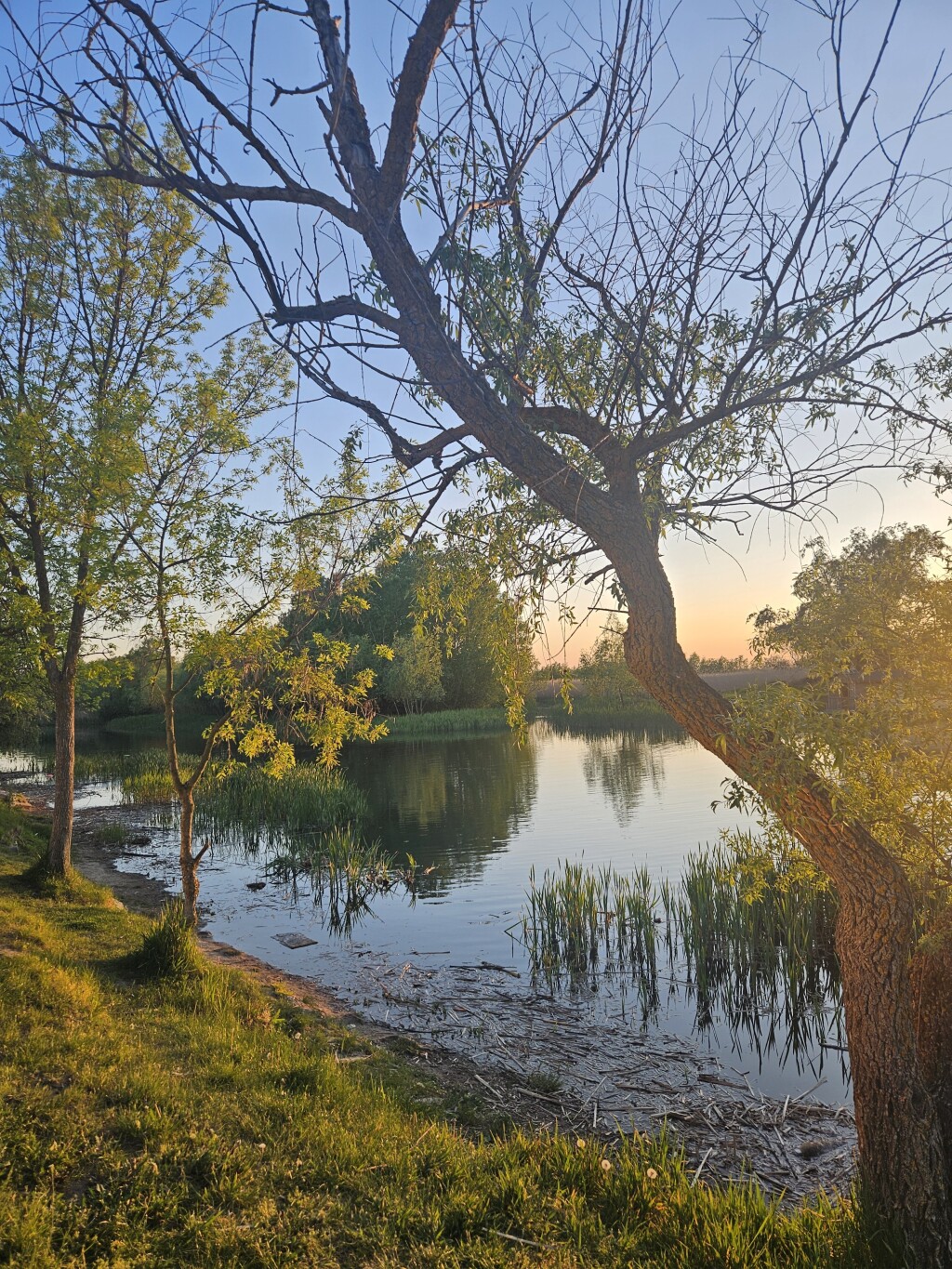
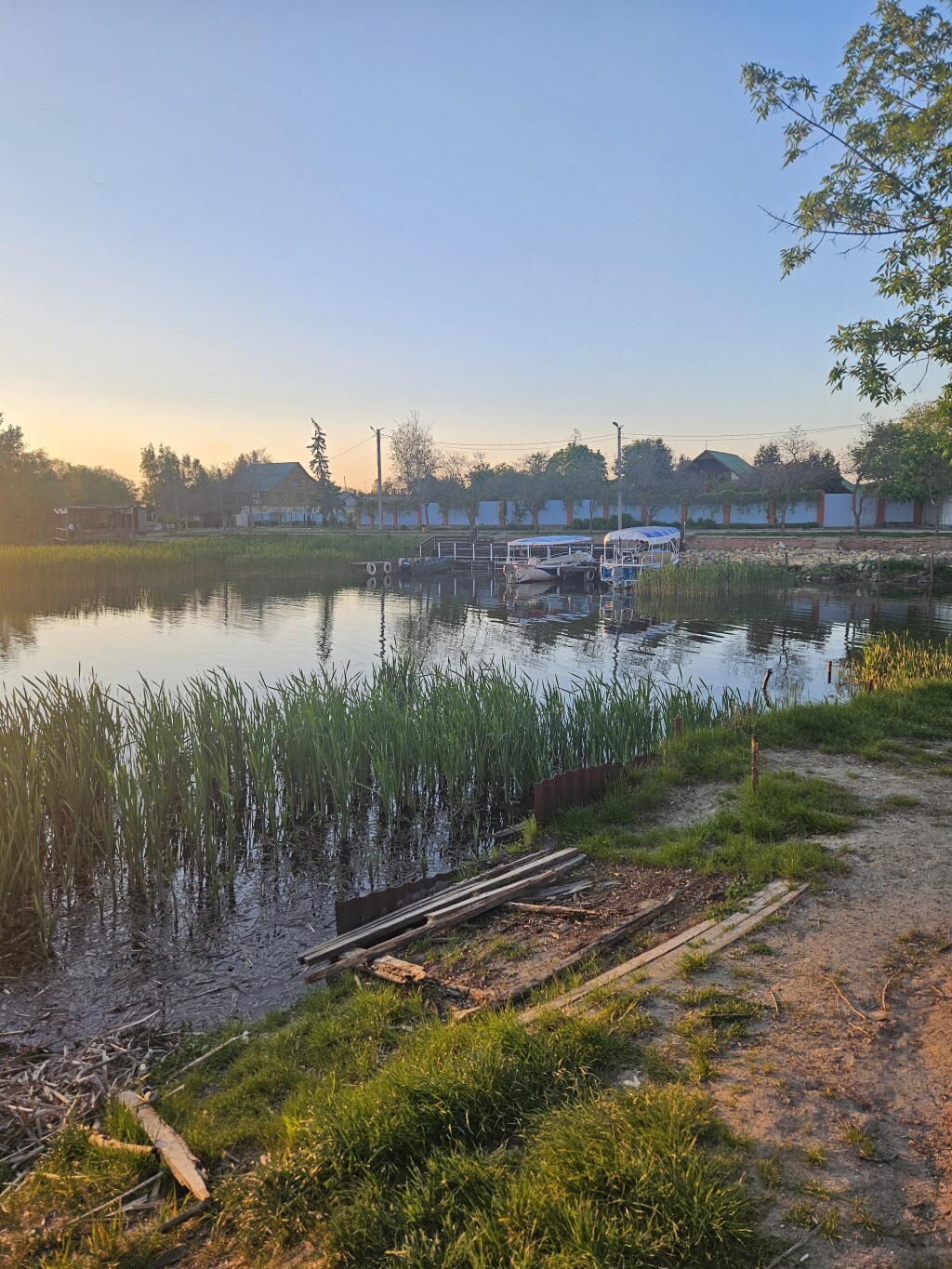
Turunchuk river (Biliaivka)
General information
Project title: Reconnecting the Turunchuk River and Floodplain Lakes to Restore Migratory Fish Habitats in the Lower Dniester
Country: Ukraine
River basin: Lower Dniester (Nistru) River Basin
Lead organization/authority: Biliaivka City Council (Municipality of Biliaivka)
Involved organisations: Biliaivka City Council, Lower Dniester National Nature Park, Odesa I. I. Mechnikov National University, Ukrainian Scientific Center of Ecology of the Sea (UkrSCES), Odesa Oblast State Administration (Department of Ecology and Natural Resources), Local fisheries associations, Eco-TIRAS International Environmental Association of River Keepers (Moldova), Institute of Zoology of the Academy of Sciences of Moldova, Dniester River Basin Commission
Project stage: Work Package 1 – Project Launch, Governance and Permitting
Project summary
The project focuses on restoring ecological connectivity between the Turunchuk River, the Dniester River, and associated floodplain lakes within the Lower Dniester floodplain in southern Ukraine. This internationally important wetland, protected under the Ramsar Convention and partly included in the Lower Dniester National Nature Park, historically provided essential spawning, nursery, feeding, and refuge habitats for migratory and semi-migratory fish.
Over recent decades, river regulation, sediment retention, altered hydrological regimes, embankments, and local hydraulic structures have reduced both longitudinal and lateral connectivity. Floodplain lakes such as Bile Lake are now only partially connected to the river system, while many upstream water bodies have become largely isolated. This fragmentation limits fish migration, degrades habitat quality, and reduces resilience to droughts and floods.
The project will develop the scientific basis and technical plans required for future restoration through monitoring, habitat assessments, hydromorphological studies, feasibility analyses, and stakeholder engagement, creating a pathway toward large-scale river–floodplain reconnection.
Project facts

Location
Lower Dniester floodplain, Biliaivka Municipality, Odesa Oblast, Ukraine; Turunchuk River distributary, Bile Lake, and associated floodplain lakes and wetlands within the Lower Dniester National Nature Park.

Target Species
Northern Pike (Esox lucius), Common Carp (Cyprinus carpio), Zander/Pikeperch (Sander lucioperca), Other migratory and semi-migratory fish characteristic of large lowland rivers

Key Focus
River connectivity restoration, Floodplain lake reconnection, Habitat assessment, Fish monitoring, Hydromorphological and sediment assessments, Feasibility studies for barrier modification/removal, Restoration planning, Stakeholder engagement
Actions and outcomes
The project will assess ecological and hydrological connectivity across the Turunchuk–Dniester–floodplain system and identify priority restoration opportunities. Planned activities include monitoring fish communities and habitats, mapping migration pathways, analysing hydromorphology and sediment dynamics, identifying barriers to connectivity, and conducting feasibility studies for reconnection measures.
Potential restoration options to be evaluated include reopening natural channels, reconnecting Bile Lake and other floodplain water bodies, and modifying small barriers that restrict fish movement and water exchange. The project will also develop an integrated river–floodplain restoration and sediment management plan.
Expected outcomes include improved understanding of migratory fish habitats, identification of practical restoration measures, strengthened cross-border cooperation with Moldova, increased stakeholder involvement, and implementation-ready plans that can attract future investment for large-scale restoration. The project will contribute to biodiversity conservation, climate resilience, sustainable fisheries, and long-term ecosystem recovery in the Lower Dniester basin.