Ri de Wéry (Meuse basin)
General information
Project title: Removal of the last obstacle on the Ri de Wéry and replacement by a fish-friendly crossing
Country: Belgium (Wallonia, Province of Luxembourg)
River basin: Meuse basin (Lesse sub-basin), draining to the North Sea
Lead organization/authority: Parc naturel de l’Ardenne méridionale (Southern Ardenne Nature Park, PNAM)
Involved organisations: Municipality of Wellin; Department of Nature and Forests (DNF), including the Fisheries Service; Province of Luxembourg; Lesse River Contract (Contrat de Rivière Lesse)
Project stage: Implementation. Phase 1 (downstream culvert) completed in 2025; Phase 2 (DANUBElifelines-funded) permitted and ready for construction in the 2026 low-flow window, followed by post-works monitoring to 2029.
Project summary
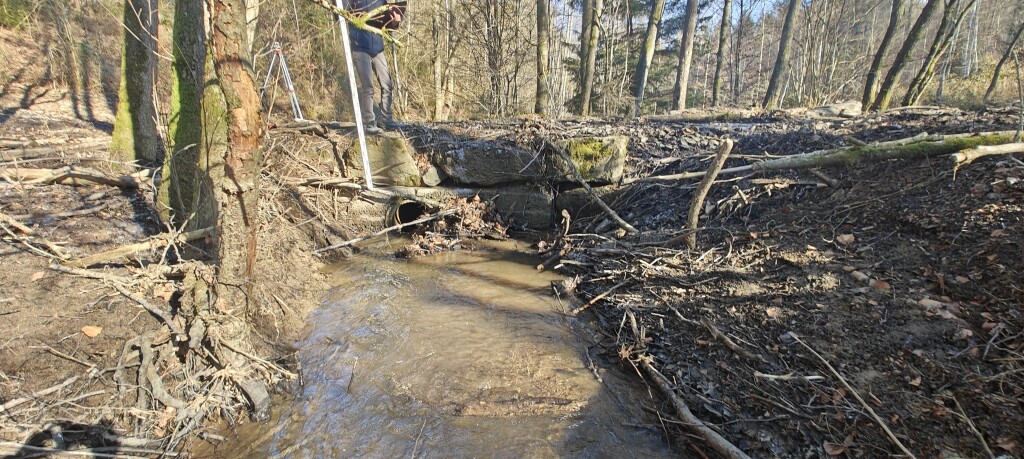
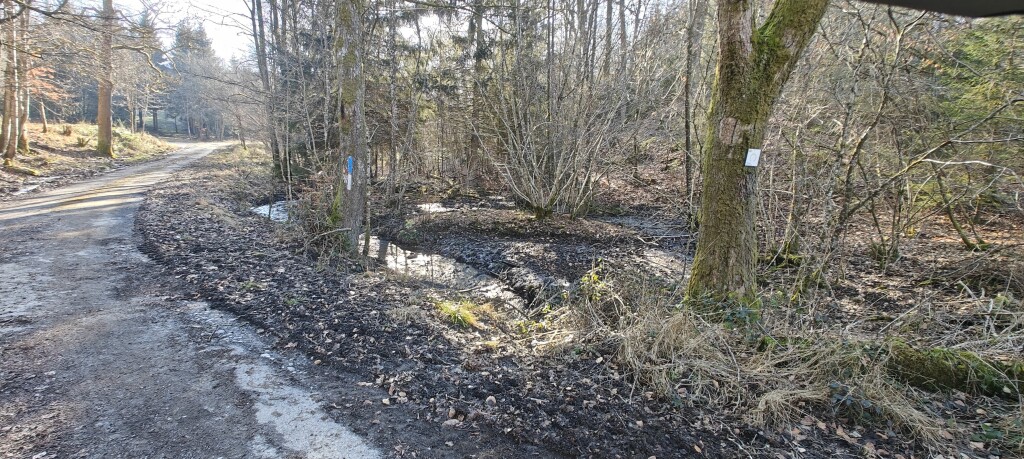
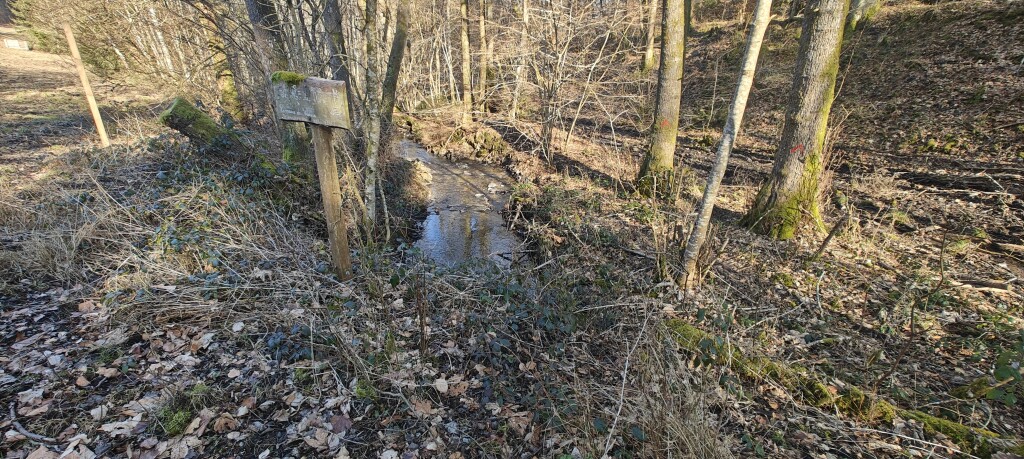
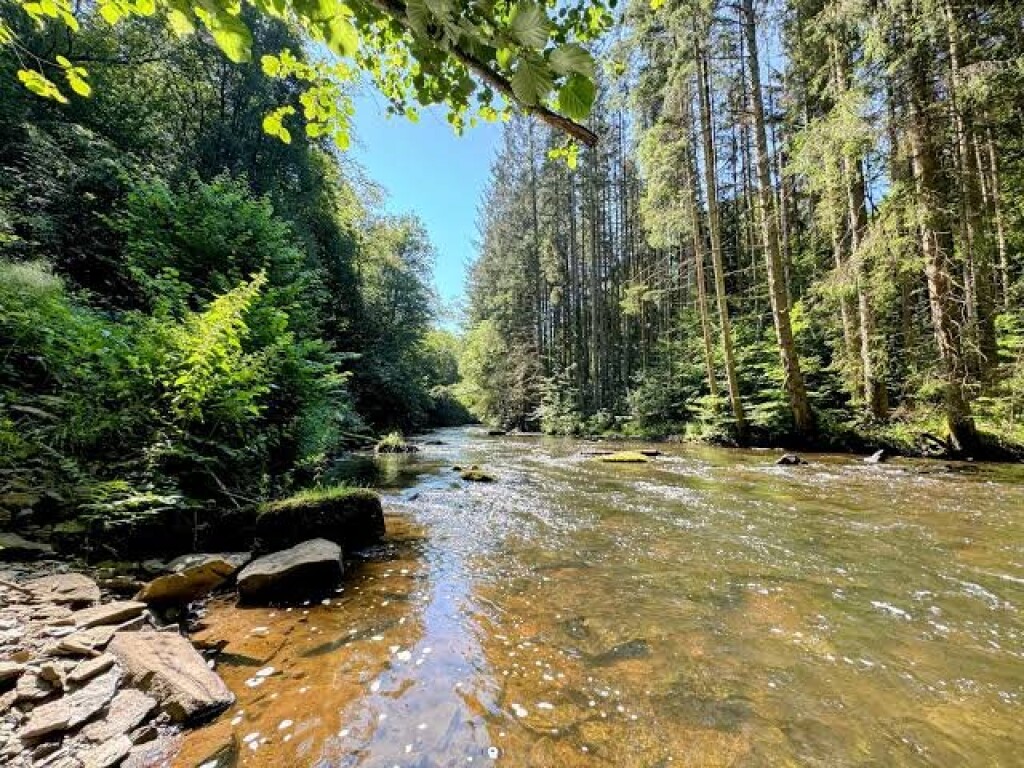
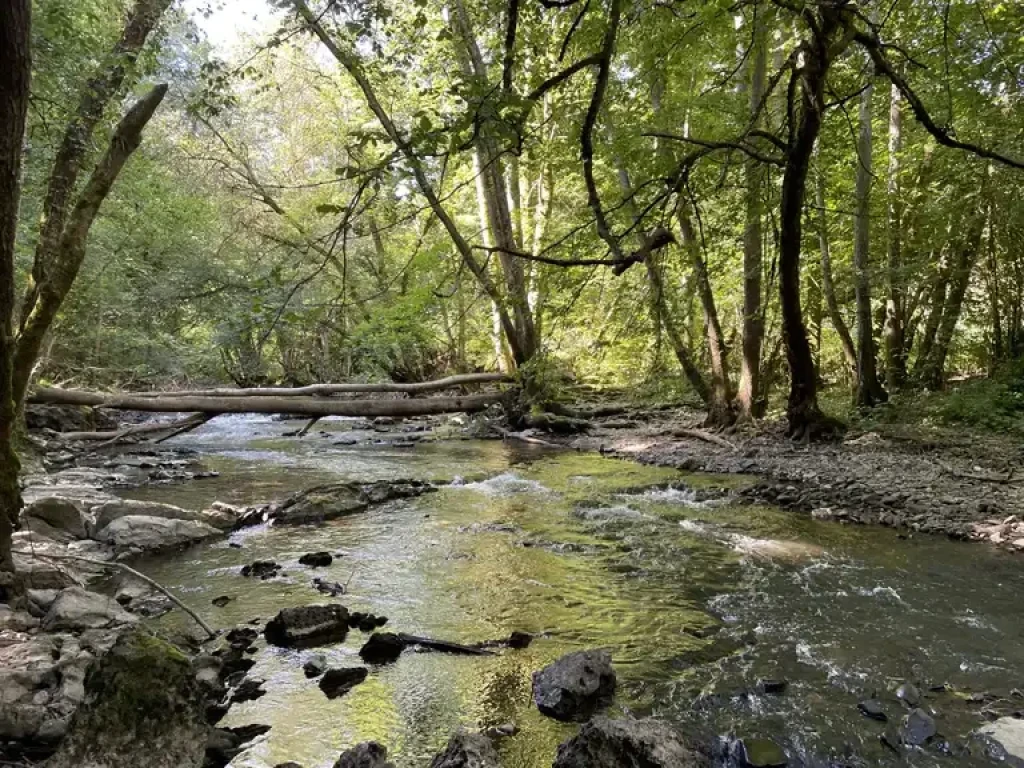
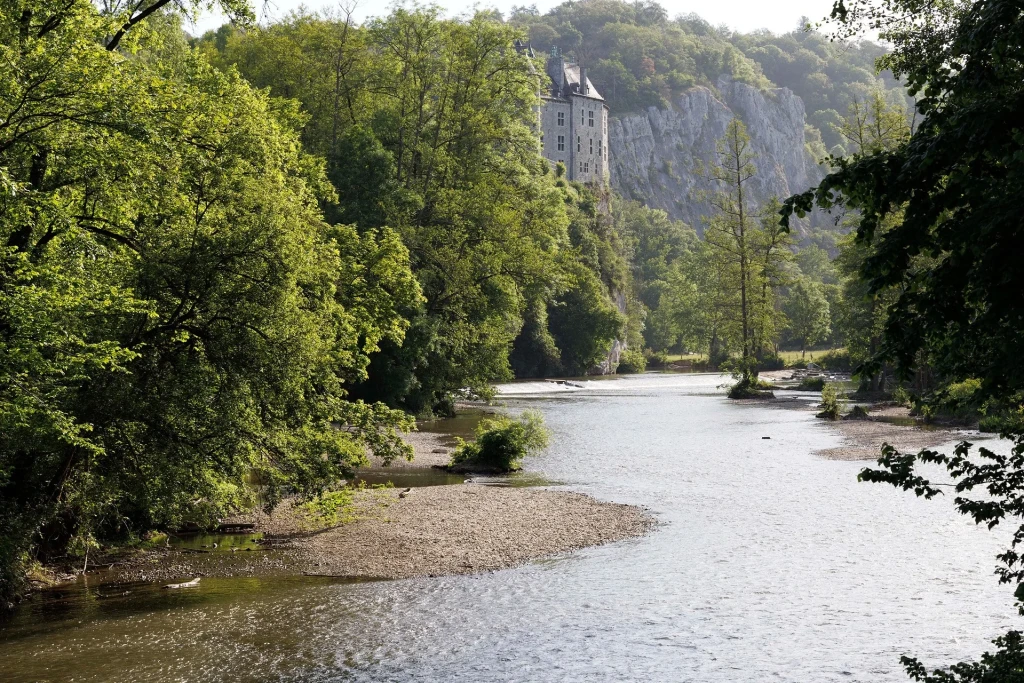
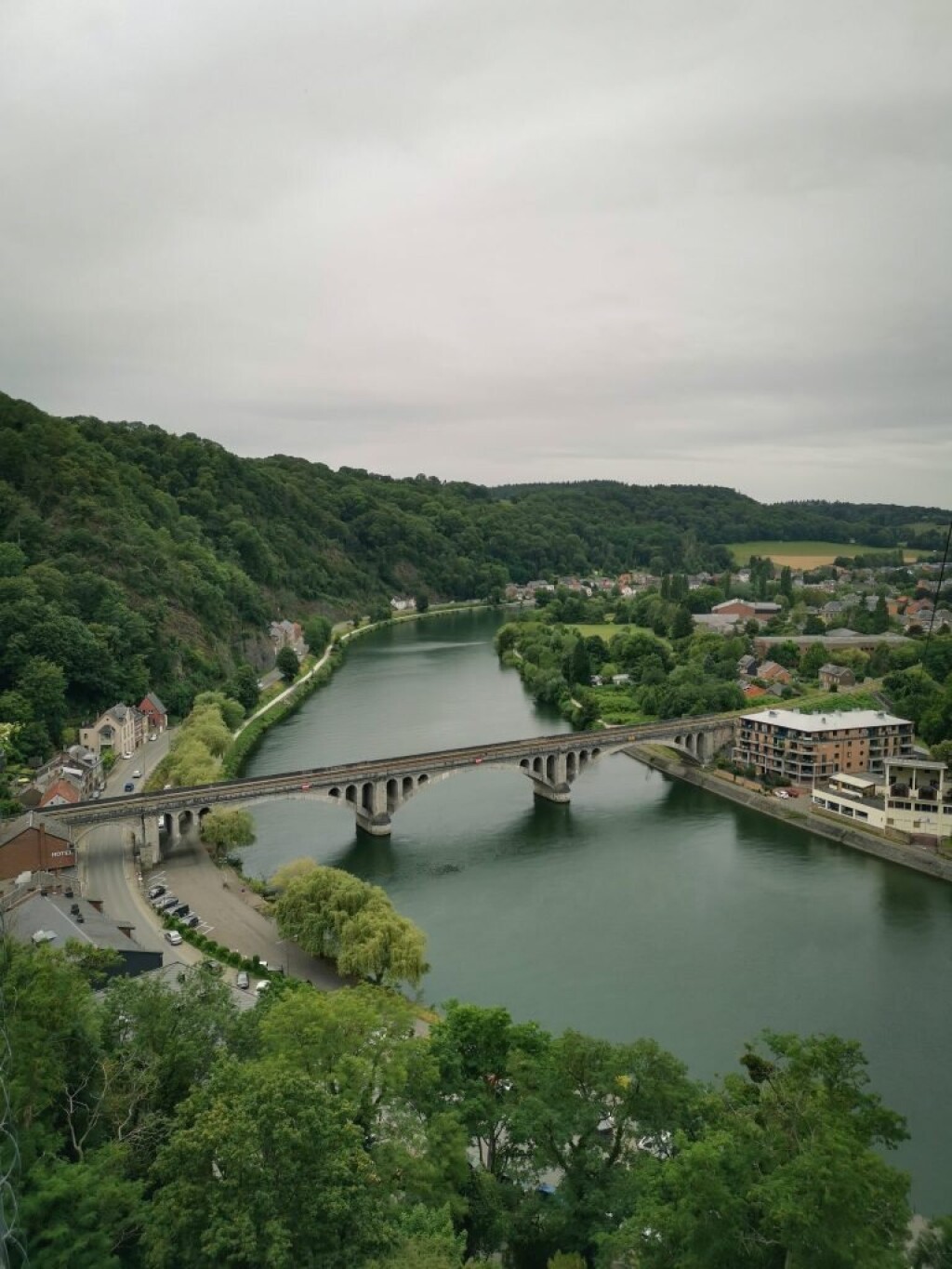
The Ri de Wéry is a small forest headwater of the Lesse, the Ardenne river that joins the Meuse near Dinant before flowing on to the North Sea. It runs entirely through a Natura 2000 forested valley in the municipality of Wellin, with excellent water quality and very little human pressure, which makes it prime spawning and nursery habitat. Like more than a million small barriers fragmenting Europe’s rivers, two consecutive concrete road culverts cut the stream and blocked fish movement over roughly 5 km. The first culvert was removed in 2025 and replaced by an open-arch modular crossing. As a DANUBElifelines Associated Region, the Park is now removing the second and last obstacle and replacing it with a hydraulically transparent crossing, reconnecting about 7.4 km of river and restoring a continuous corridor from the headwaters down to the Lesse and the Meuse.
Project facts

Location
Ri de Wéry, municipality of Wellin (Province of Luxembourg, Wallonia). Lesse sub-basin of the Meuse. About 5 km of main channel restored, roughly 7.4 km including tributaries.

Target Species
brown trout (Salmo trutta), grayling (Thymallus thymallus), bullhead (Cottus gobio) and thick-shelled river mussel (Unio crassus); the last two are listed in the EU Habitats Directive.

Key Focus
barrier removal and replacement by a hydraulically transparent crossing; before/after ecological monitoring; a replicable, low-impact design for small forest streams.
Actions and outcomes
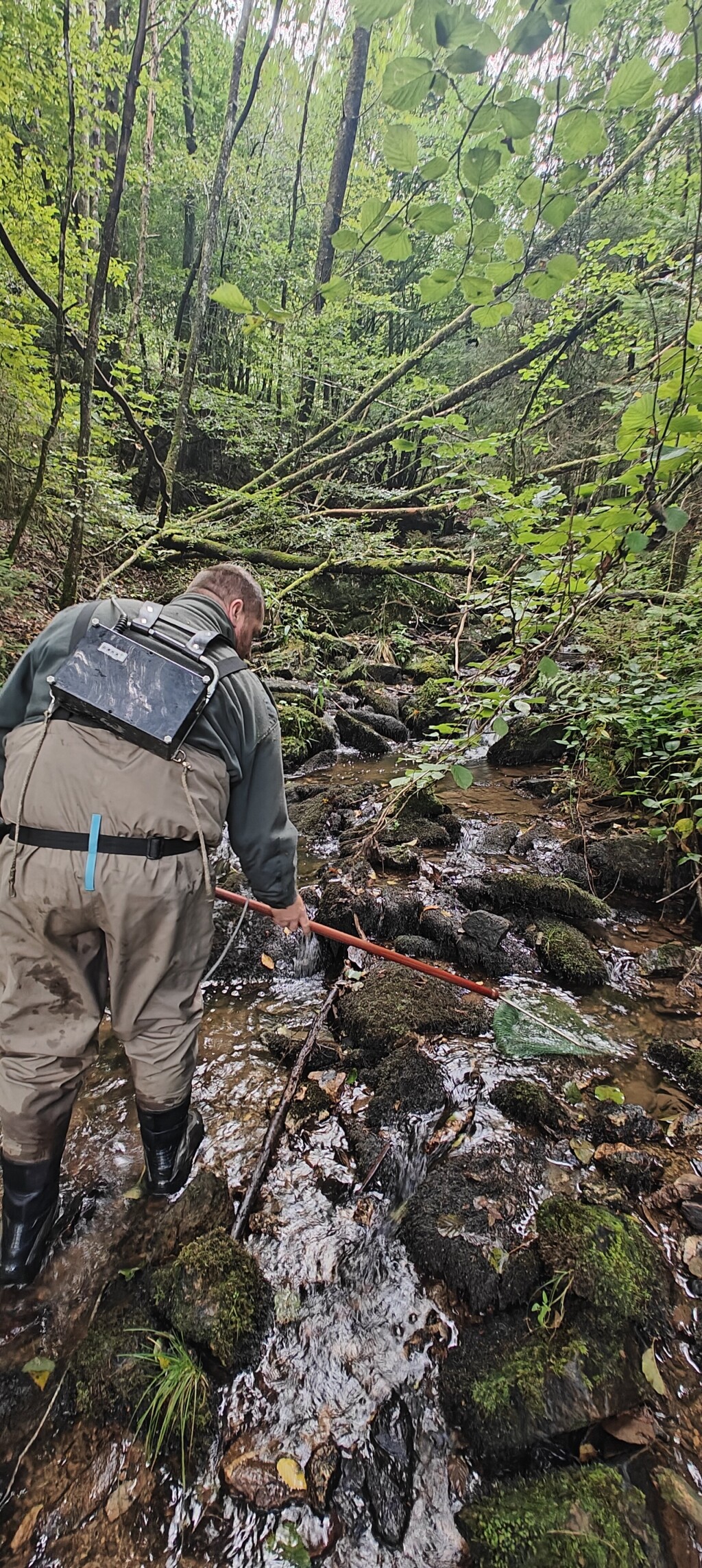
Phase 1 (2025): the downstream culvert was removed and replaced by a prefabricated open-arch crossing (mega-block abutments and precast deck), installed within the low-flow ecological window. Phase 2 (DANUBElifelines, 2026): the upstream and last obstacle is removed with the same low-impact method, using a cofferdam and clean by-pass to keep the site dry, controlled deconstruction, bed re-grading to natural geometry, gravel and substrate reinstatement, and targeted bank protection. The new crossing keeps forestry access while letting the river recover its natural flow and sediment transport. Expected outcomes: about 7.4 km of stream reconnected, restored access to upstream spawning and nursery grounds, and a fast, budget-predictable design that other Walloon and European headwaters can reuse. A before/after monitoring programme covering fish and habitat, run with the Lesse River Contract and the Fisheries Service, will document recovery and feed the DLL knowledge base.
Additional information
Quotes:
“The Ri de Wéry is one of the cleanest headwaters of the Lesse. Here, removing a single culvert reopens kilometres of pristine forest stream. It is the simplest restoration we have: take out the obstacle, and the river does the rest.””