Halden river
General information
Project title: Mapping of current, possible and historical sites for spawning for migratory fish in Halden canal, with the examples Asp, European Smelt and Burbot.
Country: Norway
River basin: Halden river
Lead organization/authority: Halden canal river basin sub-district
Involved organisations: Norwegian University of Life Sciences, Marker municipality, Aurskog-Høland municipality, Aremark municipality, Halden municipality, Østfold county municipality, Akershus county municipality, Akershus Energy, Norwegian hunters- and fishers association Østfold
Project stage: Beginning
Project summary
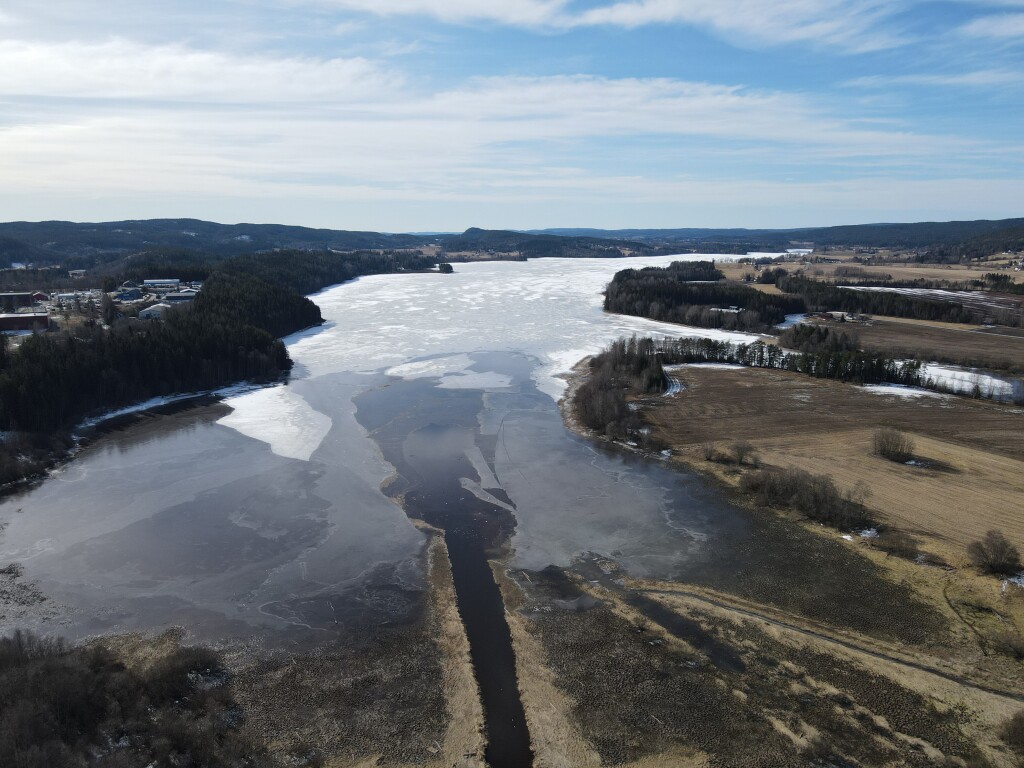
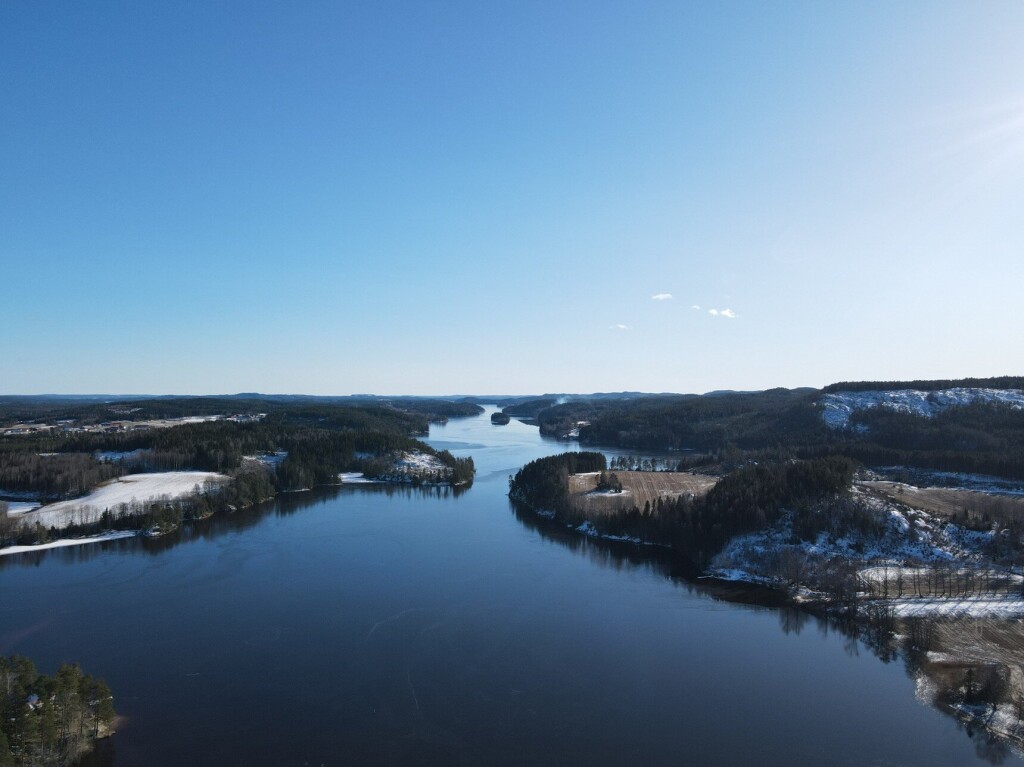
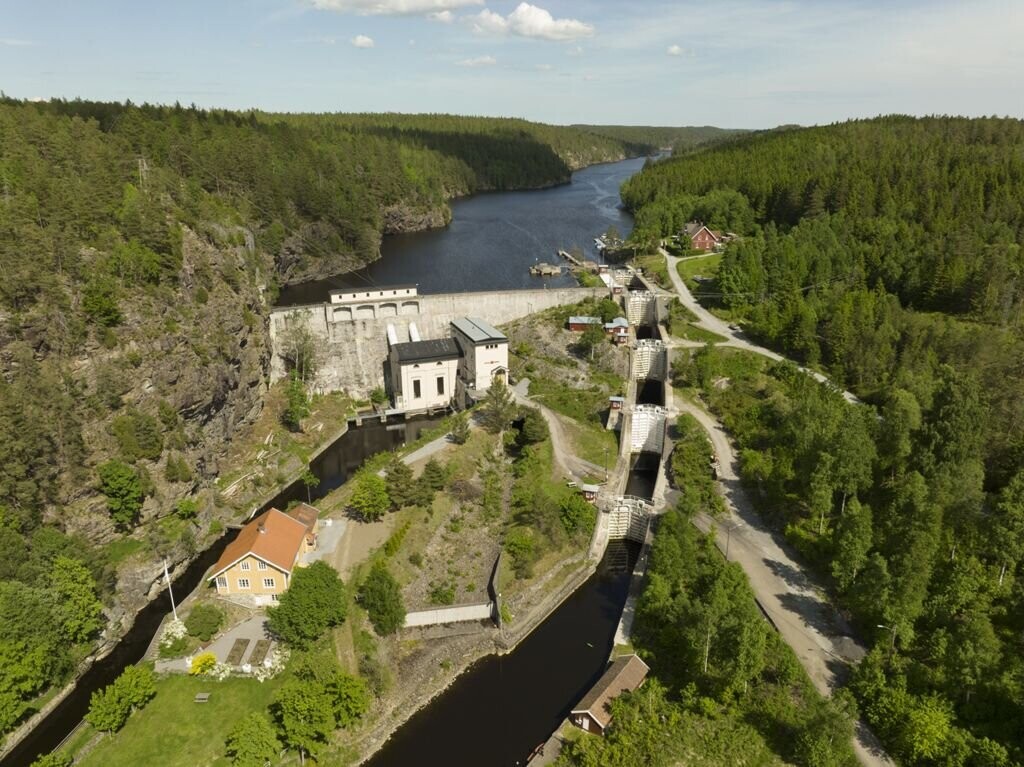
The Halden canal is a region driven by forestry and agriculture, that over time has had influence on water connectivity, water quality and physical changes on river banks and river beds. The canal is also a cultural heritage site for timber floating, and has been regulated for saw mills, locks and energy production since 1850s. Freshwater management in Norway has had a focus on a few specific indicator species, like freshwater pearl mussles, trout and salmon specifically, with a big focus on the migratory salmon species from marine to fresh water. We therefore lack a lot of information on the fresh water migratory species. The Halden canal river basin is situated in an area that during the last ice age rose from the marine sediments and was introduced to a lot of species from the east and the Baltic region, that is not very common in the rest of the country. Many of these species are unknown to many and we know little of their current and historic sites for spawning. The project aim to improve the knowledge of where theses freshwater species spawn, where the historical sites might have been and how to improve or compensate for the lost areas, with the goal of improving the condition for several of these species.
Project facts

Location
Norway, 149,5 km from source to sea. South east Norway, along the border to Sweden. Outled in the Iddefjord, a shared Norwegian and Swedish fjord, part og the Oslofjord region.

Target Species
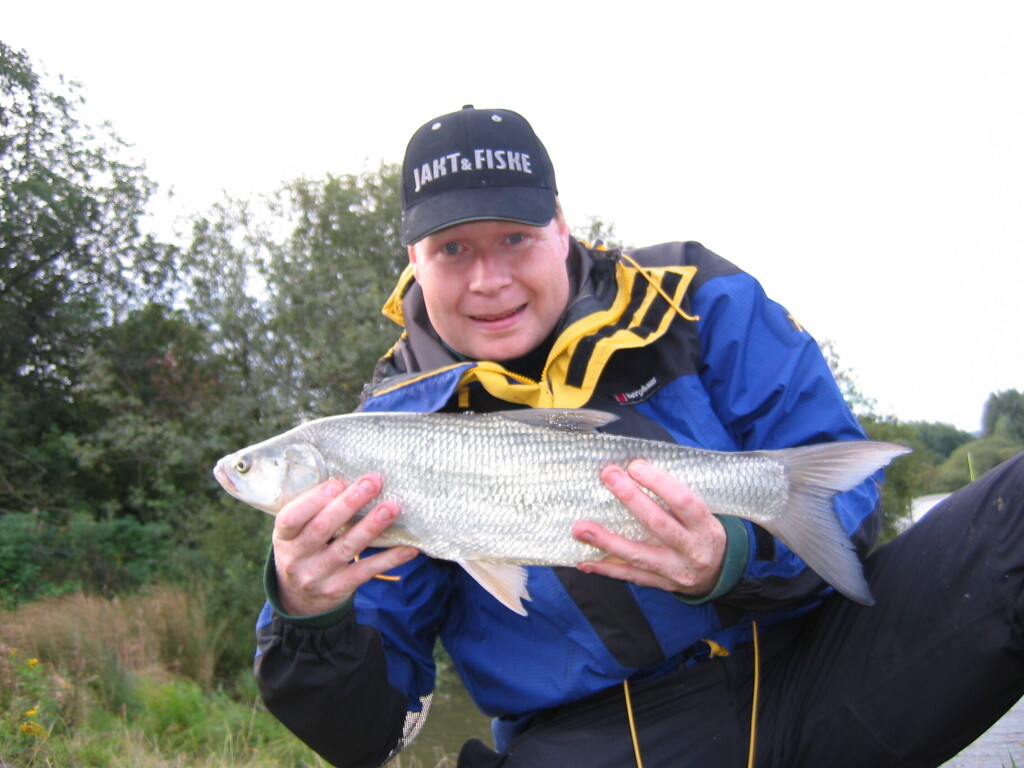
Burbot, Asp and European Smelt

Key Focus
mapping of spawning sites, and evaluation of lost habitats and compensation efforts
Actions and outcomes
The main goal is to monitor burbot, asp and smelt, to establish where the most important spawning areas are, to make sure that we can properly preserve and work to improve these areas. The monitoring will be a mix of We aim to start a process to make sure national agencies include spawning sites for these species in national databases over important spawning sites to preserve, such as they do with for example salmon and cod.
Secondly we want to evaluate where these species historically have been spawning before the large-scale canalisation and changes of the water way took place. In doing so, we want to estimate the total loss of spawning area and identify areas that might be restored and then also look to areas that can compensate for areas we might not be able to restore.
Lastly we have an aim to increase the general knowledge and interest for migratory fresh water fish species, working with actors related to cultural heritage to highlight historic significance of the species, combined with regional development and tourist actors to look at how the interest for the species might play a role in the future.
Additional information
Quotes:
“The Halden River has been used to float timber for over 500 years. From the rich forest areas of Nes, Sør-Odal and Eidskog, as well as the Swedish forests of Vest-Värmland and Dalsland, timber was transported through the river to Fredrikshald (Halden) where the logs were processed and shipped to the European market.”
“In the four municipalities of the Halden River Basin, 1,644 observations of fish have been registered since 2000. During this period, 28 species of freshwater fish have been registered (including salmon, trout and rainbow trout). The diversity of freshwater fish in the Halden River Basin is among the highest in Norway (only the Glomma River Basin has more identified species), with for example two rare species that can be mentioned are the asp and the fourhorn sculpin.”